


 RBA Set for September Rate Hike as Inflation Stays High
  US Dollar Hits Two-Month High as Aussie, Pound Slide
  Gold Slides Below $4,300 as Oil Surge Fuels Fed Rate Hike Bets
  China, US Extend Trade Truce Through January 10 After Trump-Xi Summit
  BOJ Set to Raise Rates to 1.25% as Inflation Risks Build
  RBA Hikes Interest Rate to 4.60% as Inflation Risks Rise
  BlackRock’s Rick Rieder Favors Bonds Over Stocks as Treasury Yields Surge
  Europe’s AI Data Centre Boom Strengthens Case for Nuclear Power
  Japan Warns Markets Over Yen Weakness
  Yen in Focus as BOJ, Fed Rate Hikes Reshape Currency Markets
  Oil Prices Rise as Iran Holds Firm on Strait of Hormuz Deal
  Fed Unveils Stablecoin Rules Under GENIUS Act
  UK Housebuilder Stocks Surge on New First-Time Buyer Loan Scheme


 Add as a preferred source on Google
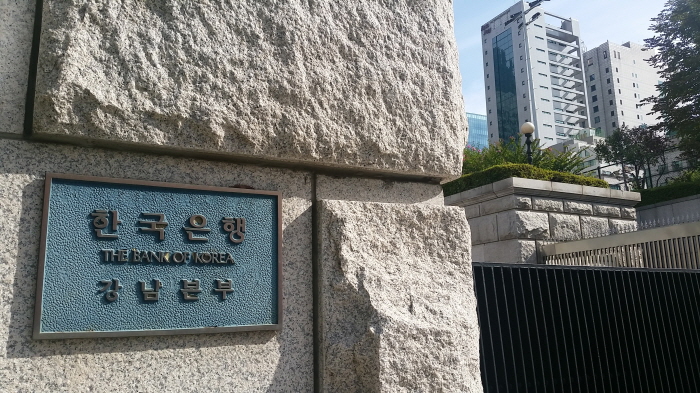
The Bank of Korea (BOK) kept its benchmark interest rate unchanged at 2.5% on Thursday, matching market expectations as policymakers remain cautious about rising inflation risks and global economic uncertainty linked to the ongoing Middle East conflict.
The latest policy meeting marked the first under newly appointed BOK Governor Shin Hyun-Song, who officially took office last month. During his confirmation process, Shin expressed a hawkish stance on monetary policy, highlighting concerns that higher global energy prices caused by the Iran-related conflict could push inflation higher in South Korea. Concerns surrounding the weakening South Korean won also contributed to expectations that the central bank may tighten policy later this year.
Despite global uncertainty, South Korea’s economy has shown resilience in recent months, largely supported by strong growth in the semiconductor and chip manufacturing sector. Demand driven by artificial intelligence technologies has significantly boosted the country’s chip exports, providing the economy with additional momentum.
However, analysts note that the broader domestic economy remains relatively weak outside the technology sector. Consumer demand and other industries continue to face challenges, which could limit how aggressively the Bank of Korea raises interest rates in the future.
The BOK last reduced interest rates in May 2025 and has since maintained a cautious approach toward further policy adjustments. Economists at Capital Economics said any future tightening cycle is expected to remain gradual, as inflation may stay above the central bank’s target only temporarily.
South Korea’s inflation rate has increased over the past two months, although government price control measures have helped reduce the impact on consumers. Meanwhile, the USD/KRW exchange rate remained closely watched by investors as currency volatility continues to affect market sentiment.
The Bank of Korea’s next policy decisions will likely depend on inflation trends, energy prices, currency movements, and the performance of the country’s export-driven economy throughout 2026.







