South Korea’s benchmark stock index suffered a sharp decline on Monday, with the KOSPI plunging more than 8% and triggering a market-wide circuit breaker as investors reacted to a global semiconductor stock selloff and rising geopolitical tensions in the Middle East.
The KOSPI dropped as much as 8.8% during early trading, falling to 7,442.73 points. In response to the steep losses, the Korea Exchange activated a Level 1 circuit breaker, temporarily halting trading in KOSPI-listed stocks for 20 minutes. It marked the second time this year that such emergency measures were implemented. The index later remained down around 8.4%, hovering near the 7,400-point level.
The sharp market decline followed a significant selloff in U.S. semiconductor stocks on Friday. Investor sentiment weakened after Broadcom Inc. issued forecasts that failed to meet market expectations, causing the Philadelphia Semiconductor Index to plunge more than 10%, its largest single-day decline since March 2020. The downturn quickly spread across global markets, placing heavy pressure on technology and chip-related stocks.
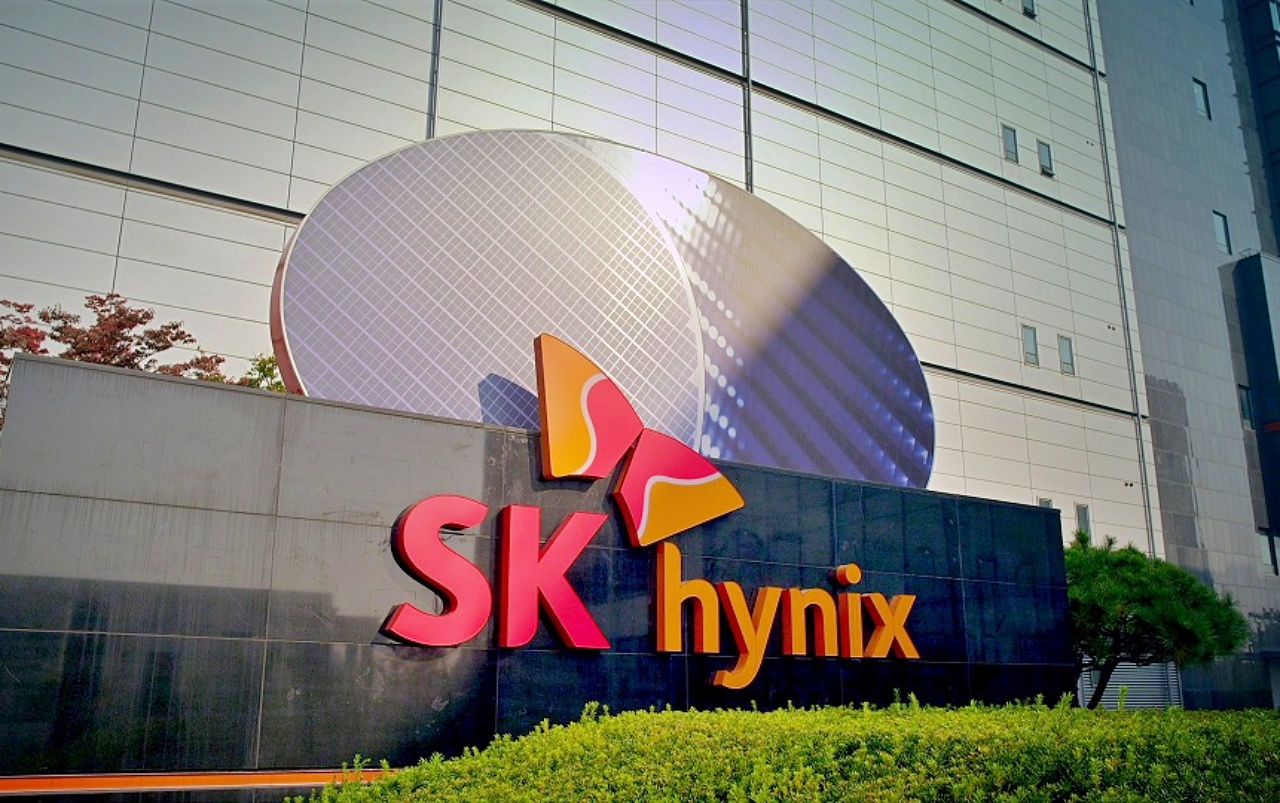
South Korea’s semiconductor giants were among the biggest losers. Samsung Electronics and SK Hynix both recorded steep losses in early trading as investors reduced exposure to chipmakers amid growing uncertainty surrounding the global technology sector.
Despite Monday’s selloff, the KOSPI has remained one of the strongest-performing stock indexes globally this year. Much of its earlier gains were fueled by the artificial intelligence boom, which drove strong demand for semiconductor stocks and boosted investor confidence in South Korea’s technology sector.
Market sentiment was also negatively impacted by escalating tensions in the Middle East. Iran’s missile launch against Israel heightened concerns about potential disruptions to global economic growth, inflation risks, and rising energy prices, prompting investors to move away from risk assets.
The market weakness came even as Nvidia highlighted South Korea’s strategic role in the global AI industry. The company recently announced new partnerships with SK Hynix, Naver Corp., and Doosan to develop advanced AI data centers and AI factory projects across the country, reinforcing South Korea’s position in the expanding artificial intelligence supply chain.