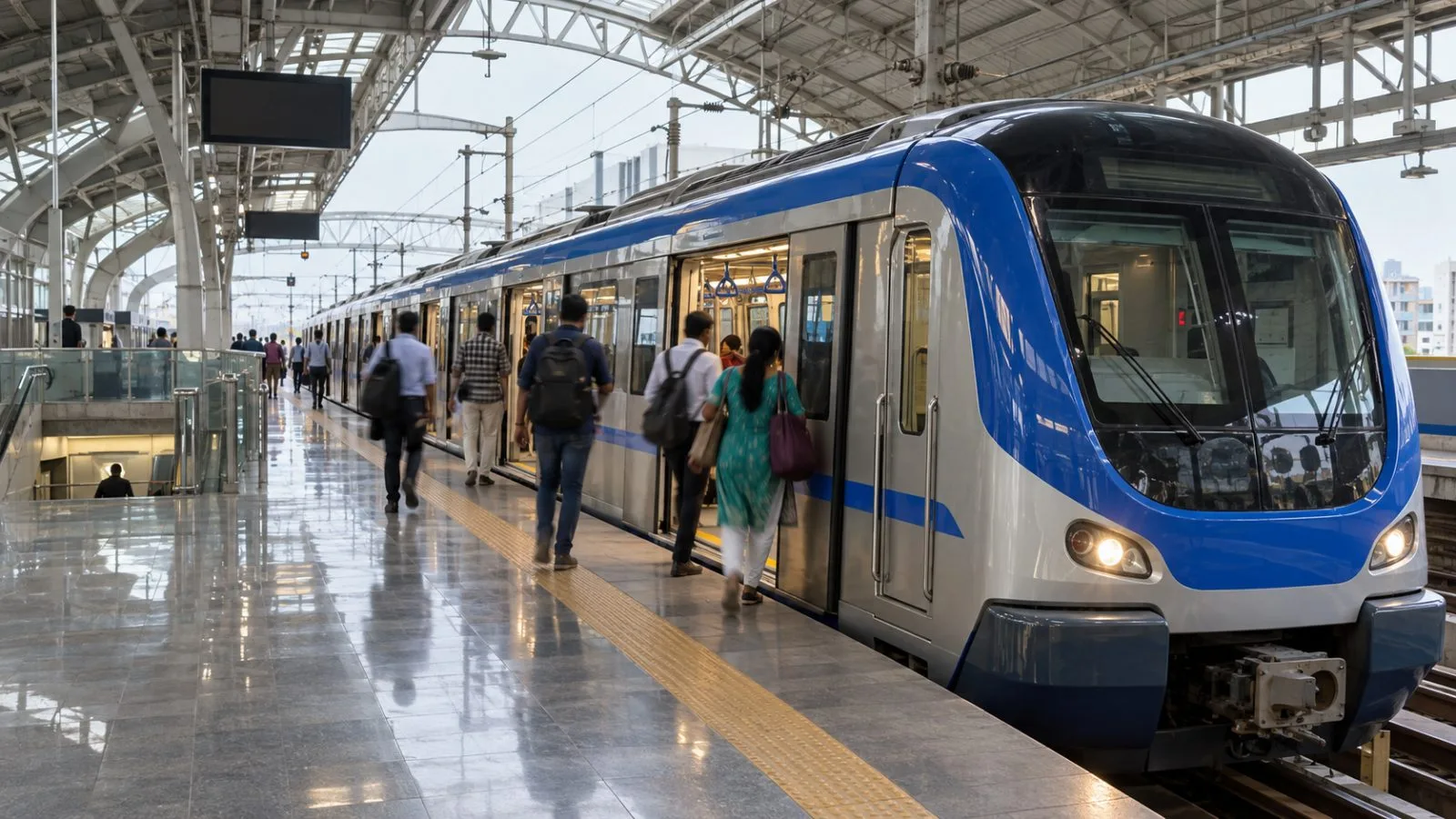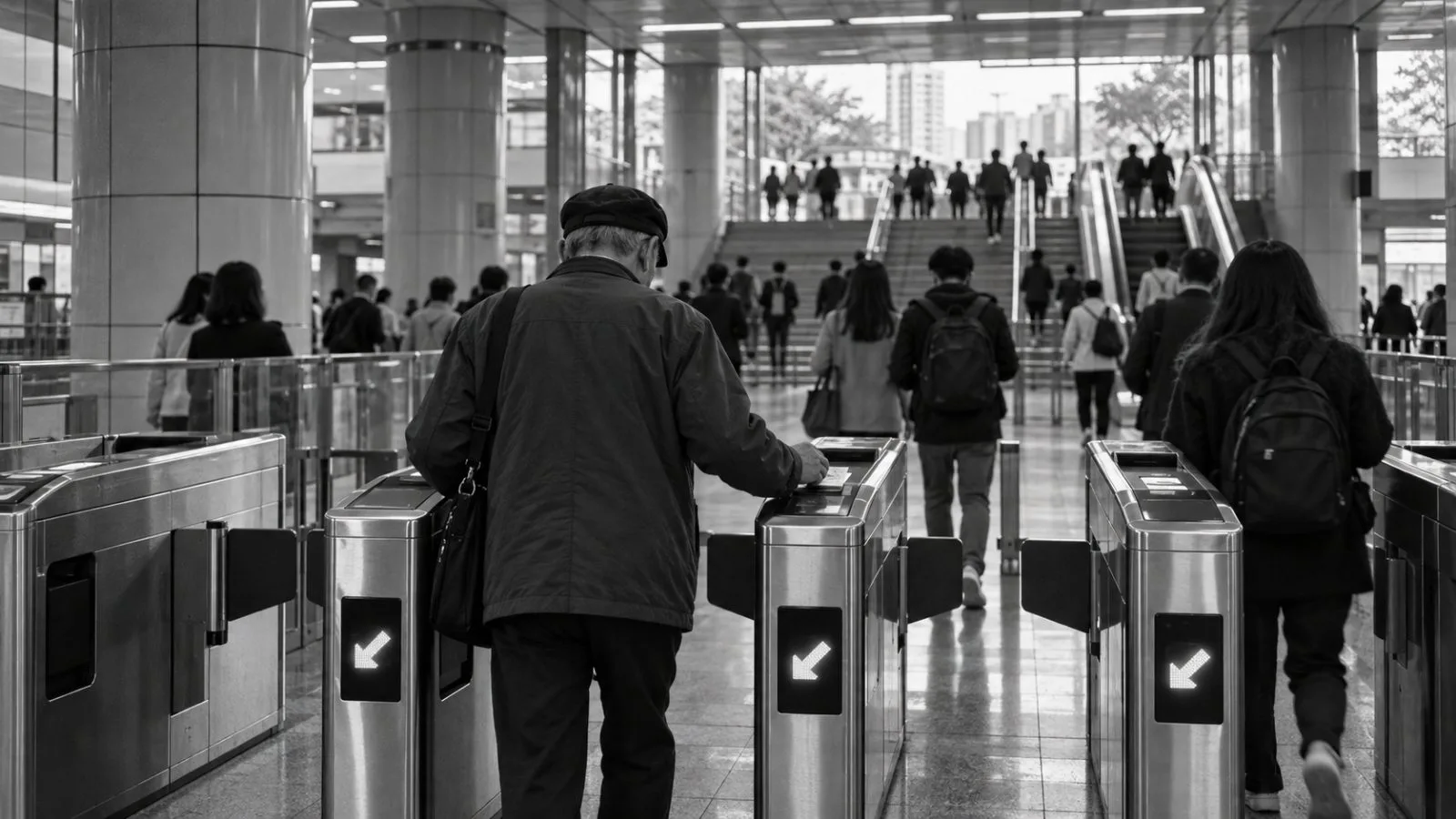
A study commissioned by six South Korean metro operators estimates that free rides for passengers 65 and older generated ₩650.6 billion in social benefits in 2025, as operators seek clarity over who pays. Seoul Metro announced the findings Oct. 22.
The Korean Society of Transportation conducted the research for operators in Seoul, Busan, Daegu, Incheon, Gwangju and Daejeon. The estimate includes ₩338.6 billion in health benefits, ₩229.3 billion from transport and environmental effects, and ₩82.7 billion in economic benefits such as local business spending. These are estimates of broader social effects, not fare revenue received by the operators.
The study projected annual social benefits would reach ₩898.3 billion in 2035 and ₩1.06 trillion in 2050. It also projected combined net losses of about ₩1.9 trillion for the operators in 2030 and more than ₩3 trillion in 2050. Those projections cover the operators’ overall activities and do not isolate the cost of free rides.
Gwangju Metro said current law does not provide a way for operators to recover what they spend on the rides. It said the research was intended to inform the government’s role in funding the policy.
The Ministry of the Interior and Safety (MOIS) counted 11.3 million registered residents aged 65 and older in September 2026, about 22.1% of the country’s 51.1 million registered residents. In a study survey of 2,000 adults, 51.5% supported keeping the free-ride policy and 24.4% did not. Asked who should primarily pay, 41.7% selected the central government, 31.9% local governments and 9% the operators.
The study proposed raising the eligibility age from 65 to 70 and bringing transport and welfare officials together to assign funding roles and estimate costs. The age change alone would shift Seoul Metro’s projected date of becoming fully capital-impaired from 2033 to 2034; the projected delay varied among operators, reaching up to two years.