North and South Korea conducted separate missile tests in October. Seoul said its vehicle maneuvered during its test, while Pyongyang claimed its missile could change course and incorporated artificial intelligence.
South Korean President Lee Jae Myung watched the Oct. 8 test of his country’s first domestically developed hypersonic glide vehicle. His office said the vehicle separated from its booster, maneuvered at low altitude and reached its designated target. The test examined heat-resistant materials and guidance and control systems, but left deployment readiness unproven.
North Korea had fired a missile five days earlier. Kim Yo Jong, a department director of the Central Committee of the Workers’ Party of Korea, said in a statement carried by the Korean Central News Agency (KCNA) that the missile could change course at low altitude and incorporated AI technology. She gave no account of what the AI did or how it performed in the test.
In a separate KCNA dispatch, North Korea said the missile flew 1,000 kilometers. South Korea’s Joint Chiefs of Staff estimated more than 700 kilometers, while Japan’s Ministry of Defense put the distance at about 680 kilometers. South Korea’s Defense Ministry assessed that South Korean and U.S. systems could detect and intercept the missile.
Japan’s Ministry of Defense said North Korea launched at least two more ballistic missiles on Oct. 12.
Hypersonic weapons travel at least five times the speed of sound. A weapon that changes direction in flight presents defenders with a harder path to predict. South Korea reported that its vehicle maneuvered during its test; North Korea claimed that capability for its missile.
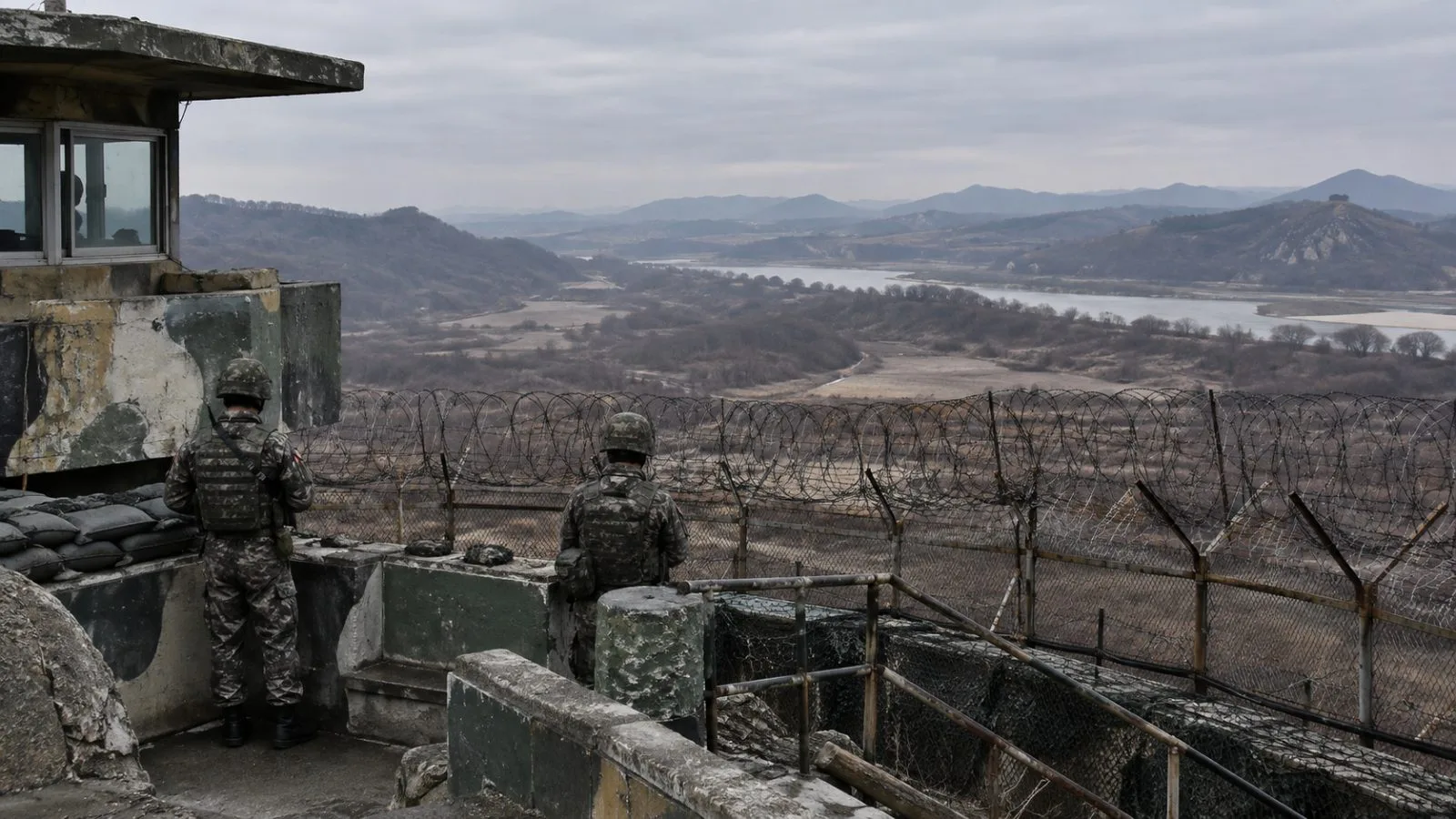
The tests followed a Sept. 21 mine blast in the Demilitarized Zone that injured three South Korean soldiers. After an investigation with the United Nations Command, South Korea’s military concluded that North Korea had placed mines south of the dividing line. North Korea denied responsibility.
A 1953 armistice halted the fighting in the Korean War, but no peace treaty followed. Lee has urged faster development and deployment of South Korea’s glide vehicle without announcing a date. Japan says it will continue assessing North Korean launches with South Korea and the United States.