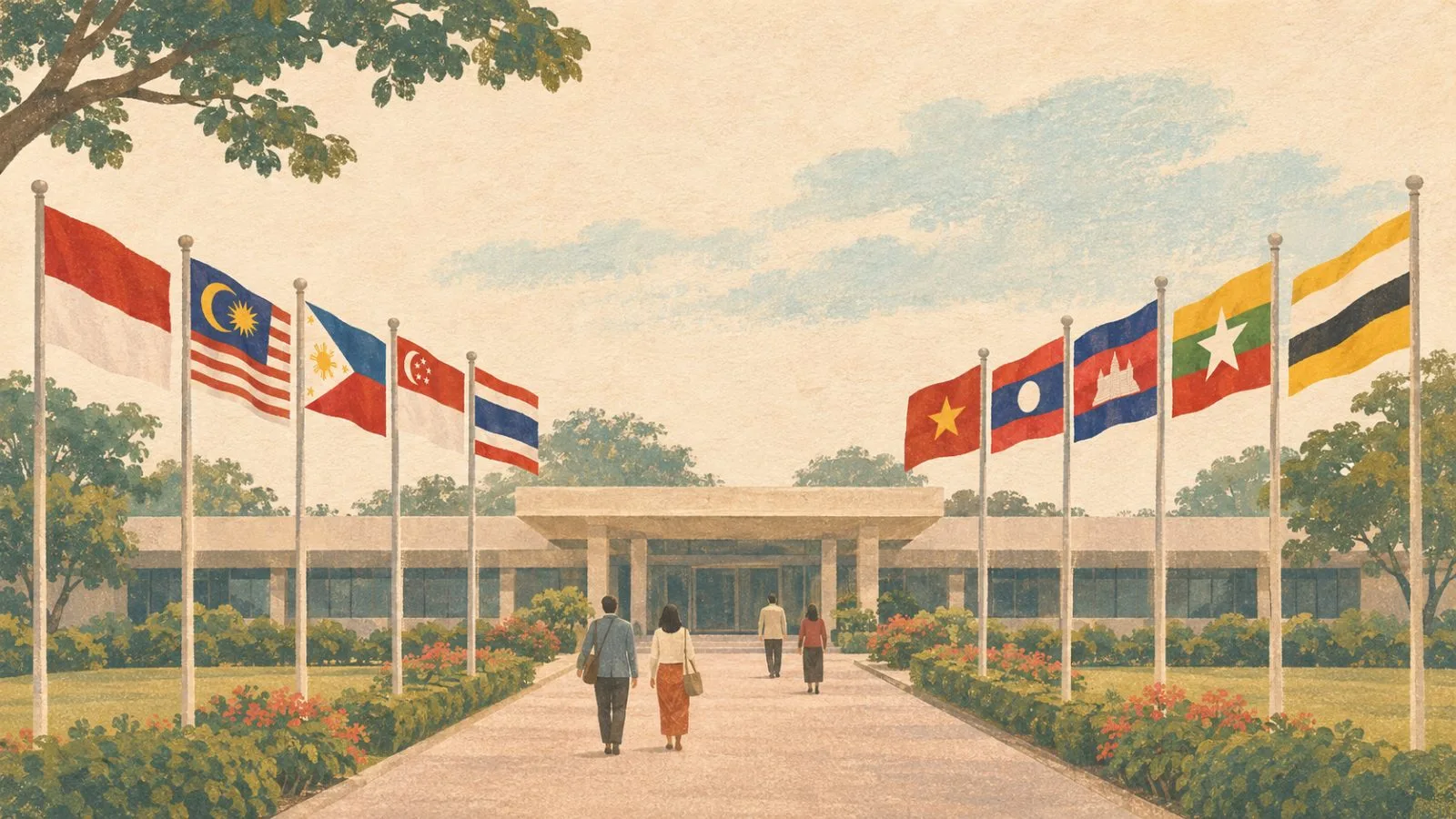
At a Manila meeting Nov. 17, South Korean President Lee Jae Myung and Japanese Prime Minister Sanae Takaichi agreed to deepen energy and supply-chain cooperation amid an energy crisis.
South Korea’s presidential office described the crisis as caused by the situation in the Middle East and said both countries viewed each other as important partners on energy security and supply chains. The office did not identify specific projects or an implementation timetable for the cooperation.
The leaders also said strategic communication between Seoul and Tokyo mattered more as discussions among major countries about peace and stability in Northeast Asia grew more active, according to the presidential office. The meeting put that diplomatic priority alongside cooperation on economic and energy concerns.
Lee cited stronger people-to-people exchanges and expanding economic ties, saying the countries were also supporting each other on security. Takaichi said the relationship was gaining importance as international conditions became more challenging, according to remarks recorded in an official presidential video.
The Manila summit came six months after the leaders met in Andong, South Korea, in May. Lee had earlier urged Seoul and Tokyo to coordinate supply chains for advanced industries.
A joint survey released Aug. 3 by the East Asia Institute and International House of Japan found that 54.3% of South Korean respondents viewed Japan favorably, the highest share since the survey began in 2013. Among Japanese respondents, 35.3% viewed South Korea favorably, up 10.5 percentage points from 2025.
The leaders agreed to continue shuttle diplomacy and meet again in Japan. Lee accepted Takaichi’s invitation to visit in January 2027; the official record did not specify a day for the trip.