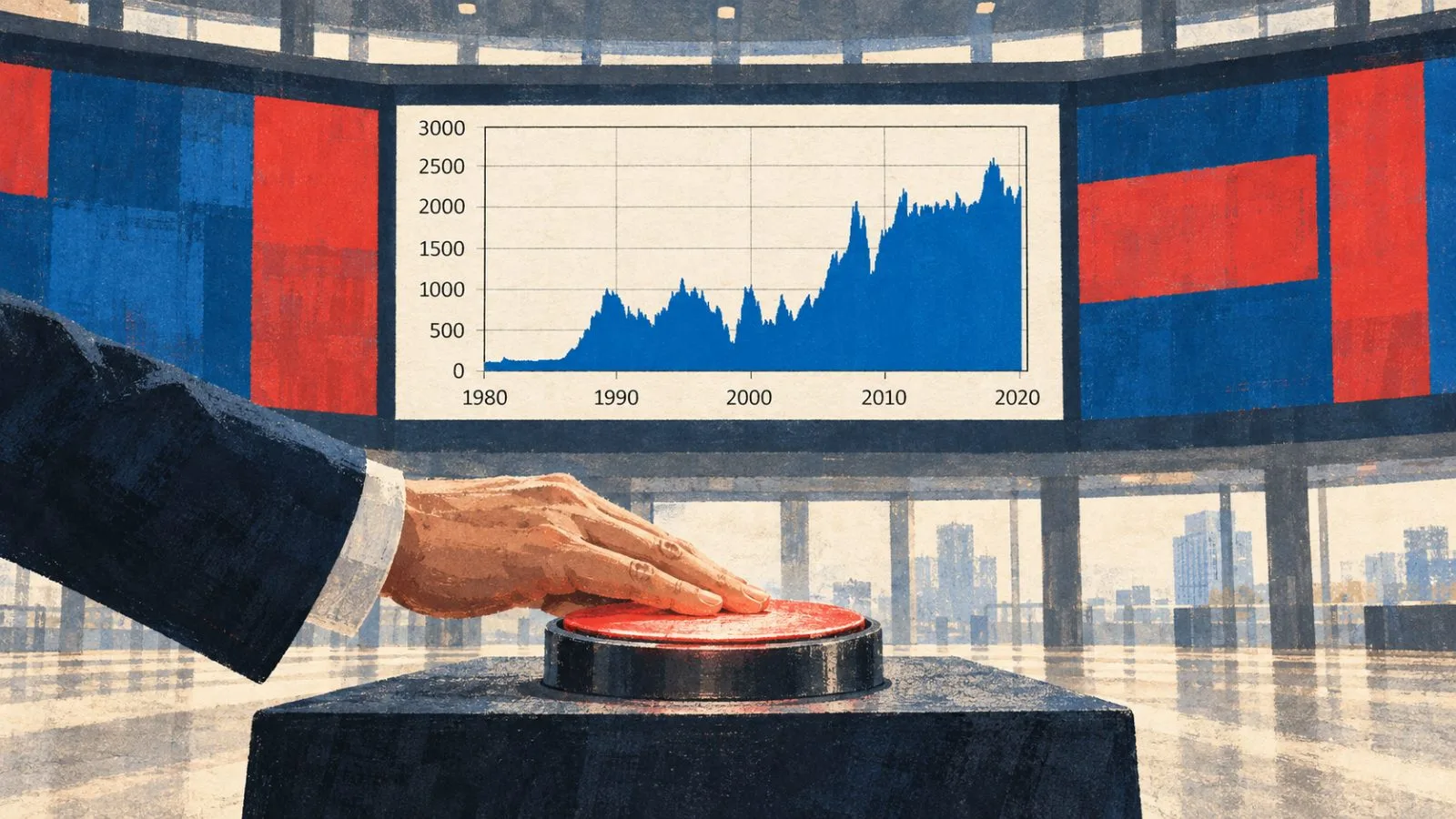
South Korea’s KOSPI fell 3.48% Friday as foreign investors sold a net 1.62 trillion won in local shares, with technology stocks under pressure amid worries over returns on AI investment, Yonhap reported.
The benchmark finished at 5,730.74, down 206.92 points, after sliding to 5,599.42 at its session low. Trading reached 212.76 million shares valued at 19.27 trillion won ($14.44 billion); 655 stocks declined and 232 advanced, Yonhap reported.
Institutions bought a net 742.55 billion won and individual investors bought 620.97 billion won. At 2:30 a.m. ET Friday (3:30 p.m. in Seoul), the won traded at 1,334.3 per dollar, up 5.2 won from the previous session’s close, according to Yonhap.
Chipmakers led the losses among major shares. Samsung Electronics fell 3.02% to 225,000 won, while SK hynix dropped 7.08% to 1.42 million won. Hyundai Motor shares fell 3.59% after the automaker lowered its sales goal for the year and planned investment. Kia fell 11.73% after third-quarter operating profit came in below expectations, and Hanwha Aerospace lost 8.42% after weaker earnings linked to delays in K9 howitzer deliveries to Poland, Yonhap reported.
The Korean sell-off followed a weaker session for U.S. technology stocks. Yonhap reported that Alphabet fell more than 12% after its third-quarter revenue rose 25% year over year to $127.58 billion, below market expectations. The Nasdaq Composite Index lost 1.38%, and the Philadelphia Semiconductor Index declined 1.4%.
Samsung Securities analyst Kang Jin-hyuk said disappointing quarterly results from large technology companies and chipmakers, together with doubts about how long AI-driven growth can last, weighed on investors.
The Korea Exchange activated a sell-side sidecar shortly after 9 p.m. ET Thursday (10 a.m. Friday in Seoul). The trigger requires the KOSPI 200 Futures Index to fall at least 5% and remain there for one minute. EconoTimes previously covered a KOSPI decline involving chip weakness and questions about AI investment returns.