South Korean semiconductor stocks tumbled on Tuesday as investors pulled back from artificial intelligence (AI)-related shares, driven by growing concerns over AI infrastructure financing, rising competition from China, and weakening confidence in the semiconductor sector.
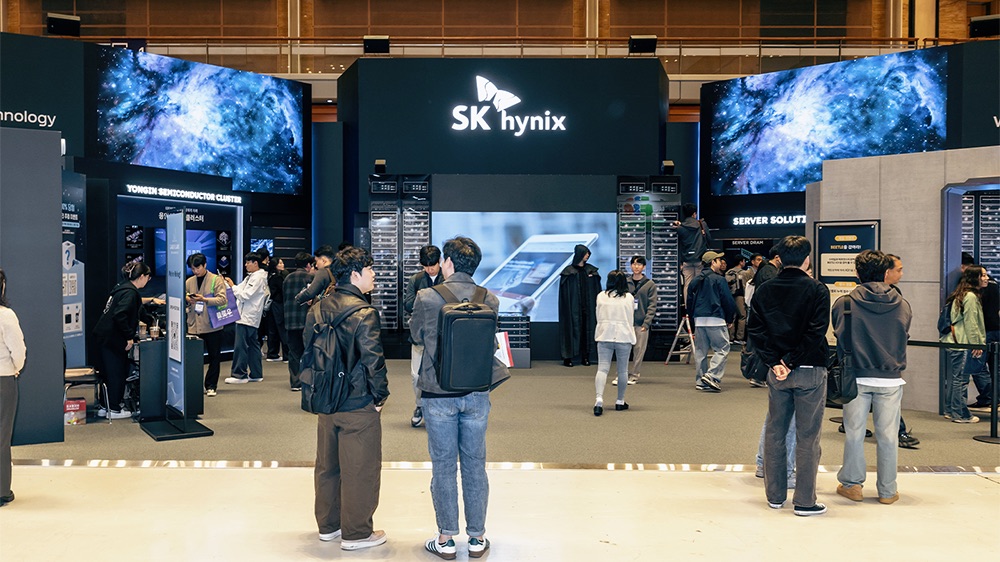
Samsung Electronics and SK Hynix led the decline, dropping as much as 9.5% and 11.1%, respectively. SK Hynix’s U.S.-listed shares had already fallen sharply overnight, closing at $143.02, below their $149 initial public offering price. The broader KOSPI index also slid around 8% during early trading, reflecting widespread selling pressure across the market.
The sharp decline followed several developments that raised doubts about the long-term strength of the AI-driven semiconductor rally. SK Hynix, a major supplier of high-bandwidth memory (HBM) chips used in Nvidia’s AI processors, has been one of the biggest winners from the AI boom, making its stock especially vulnerable to shifts in market sentiment.
Analysts pointed to growing concerns over China’s technological progress after reports suggested Chinese firms were developing domestic deep ultraviolet (DUV) lithography equipment. Han Ji-young, an analyst at Kiwoom Securities, said the reports fueled fears that Chinese memory-chip makers could rapidly expand production and intensify competition in the global memory market, even though key details regarding commercialization and technical performance remain unclear.
Investor caution also increased ahead of major corporate earnings releases. Han noted that semiconductor stocks fell despite stronger-than-expected earnings from Samsung Electronics earlier this month and Alphabet last week, highlighting weakening confidence in the sector.
Adding to market concerns, a Wall Street Journal report said Nvidia could provide roughly $250 billion in financing support for an OpenAI data center project. The news sent Nvidia shares down nearly 5% as investors questioned the risks of the AI chipmaker financing its own customers.
Sentiment was further pressured by the growing adoption of low-cost Chinese open-source AI models such as Kimi K3, which could reduce demand for high-performance AI chips and HBM memory. Meanwhile, Chinese memory-chip maker CXMT’s strong stock market debut and reports that Apple had lobbied the Trump administration to allow Chinese-made chips in some products added to concerns about China’s expanding role in the global semiconductor industry.