


 Robinhood Chain Eyes Priority Gas Auctions for Faster Trades
  DeFi Development Adds 22,070 SOL to Solana Treasury
  Canton Network Expands in South Korea With Major Partnerships
  Moonshot AI Executives Seek Settlement Ahead of Hong Kong IPO
  Elon Musk Eyes Semiconductor Manufacturing Expansion With $15 Billion Terrafab Project
  Apple Names Steve Smith M&A Chief in Leadership Shakeup
  Cardano Hits Five-Year Transaction Record as ADA Price Falls
  Navigating the Crypto Pulse: Weekly Market Resilience and Institutional Inflows
  XRP Ledger Foundation Confirms 100B Supply Safe After Security Fix
  Meta Launches Muse Wonder AI Models, Shares Rise 3.7%
  Zcash Price Analysis: Can ZEC Rebound Above $1,300?
  Coinbase CEO Backs SEC Accredited Investor Reform
  Zcash Plans Quantum-Resistant Security Upgrade for January
  TSMC Q3 Revenue Beats Estimates as AI Chip Demand Surges


 Add as a preferred source on Google
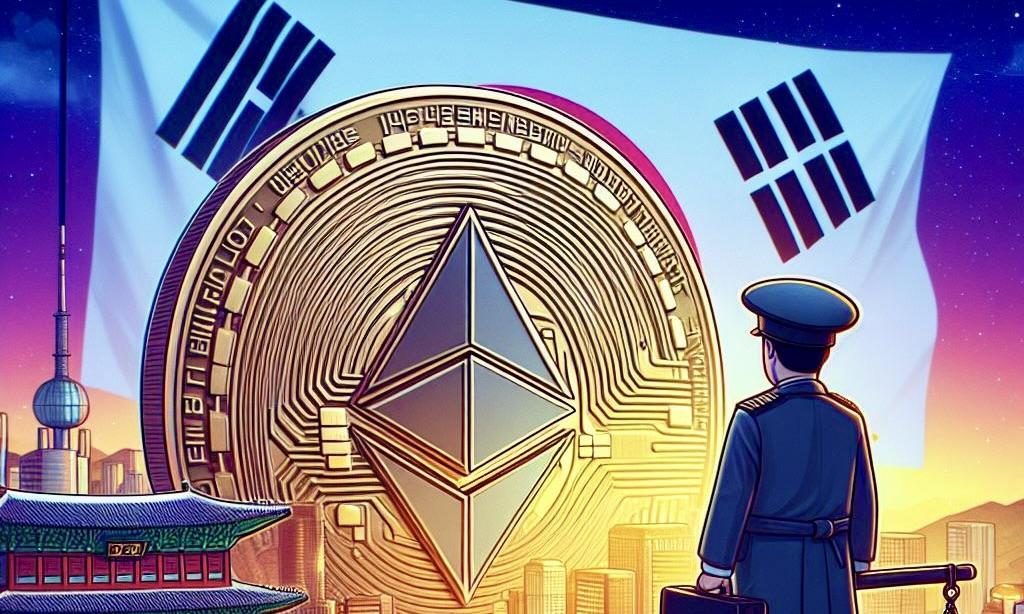
U.S. regulators' approval of Ethereum ETFs has intensified pressure on South Korea's financial authorities to reevaluate their restrictive policies on crypto assets.
Regulatory Tensions in South Korea
The Korea Times reports that Seoul's financial regulators are under immense pressure. The SEC's decision concerning Ethereum is not just a ripple but a wave forcing them to reevaluate their position on digital assets sooner than anticipated, highlighting the urgency and importance of the situation.
On May 24, 2024, the SEC authorized the establishment of ETFs for Ethereum, the second-largest cryptocurrency globally. This followed the SEC's January 2024 approval of Bitcoin ETFs.
ETFs are financial products that enable investors to acquire exposure to a broad range of securities. The approval of crypto ETFs has made a substantial stride in bridging the divide between traditional finance and the digital asset industry.
Calls for Modernizing Korea's Financial Regulations
Financial Services Commission (FSC) and Financial Supervisory Service's (FSS) reluctance to permit the trading of crypto assets on the traditional securities market stands in stark contrast.
According to Cointelegraph, the FSC stated, following the Capital Markets Act, that ETFs only trade in fundamental assets, which are the actual financial assets or the security upon which a financial derivative is constructed. Commodities and international currencies are included.
FSC is the governmental entity supervising and controlling South Korean financial institutions and markets.
The ban on digital assets in the traditional securities market has been criticized by Xangle, a prominent provider of digital currency data headquartered in Seoul, has criticized the ban on digital assets in the traditional securities market.
The organization calls the prohibition "outdated" and asserts that it should be revised to account for the increasing importance of digital assets in contemporary finance.
Possible Investor Exodus to US Markets
Jung Eui-jung, the Korean Stockholders' Alliance chairman, also cautioned that if Seoul authorities continue to make little progress, investors may withdraw their funds and invest in American markets instead.
"Who would want to invest their money in a market that lags behind the fast-changing regulatory landscape?" Jung remarked. "It will be a matter of time for the U.S. to fully open the door for other less-traded cryptocurrencies and that Korea at least should approve ETFs for Bitcoin and Ethereum."
Photo: Microsoft Bing







