


 Asian Chip Stocks Tumble as OpenAI Safety Pause Sparks AI Growth Concerns
  CNN, Politico and MS NOW Seek Court Order Blocking Trump White House Ban
  LA fires: Long-term exposure to wildfire smoke is poorly understood − and a growing risk
  Robinhood Chain Token Ring Allegedly Extracts $18.4 Million Across 53 Launches
  Pi Network Price Holds $0.087 as Protocol 28 Mainnet Upgrade Nears
  Robinhood Chain Meme Coins Slide as Stock Token Locks Rise
  Australia Budget Deficit Narrows to A$22.3 Billion on Stronger Tax Revenue
  RBA Set for September Rate Hike as Inflation Stays High
  US Dollar Hits Two-Month High as Aussie, Pound Slide
  Rise of the Zombie Bugs takes readers on a jaw-dropping tour of the parasite world
  Hengrui Shares Rise on $2.6 Billion Novo Nordisk Obesity Drug Deal
  Google Pays Publishers for AI Search Content in New Pilot
  Ukraine minerals deal: the idea that natural resource extraction can build peace has been around for decades
  China Industrial Profit Growth Slows as Weak Demand Offsets AI Gains
  Burkina Faso and Mali’s fabulous flora: new plant life record released
  BlackRock Sees AI Agents Fueling New Crypto Demand


 Add as a preferred source on Google
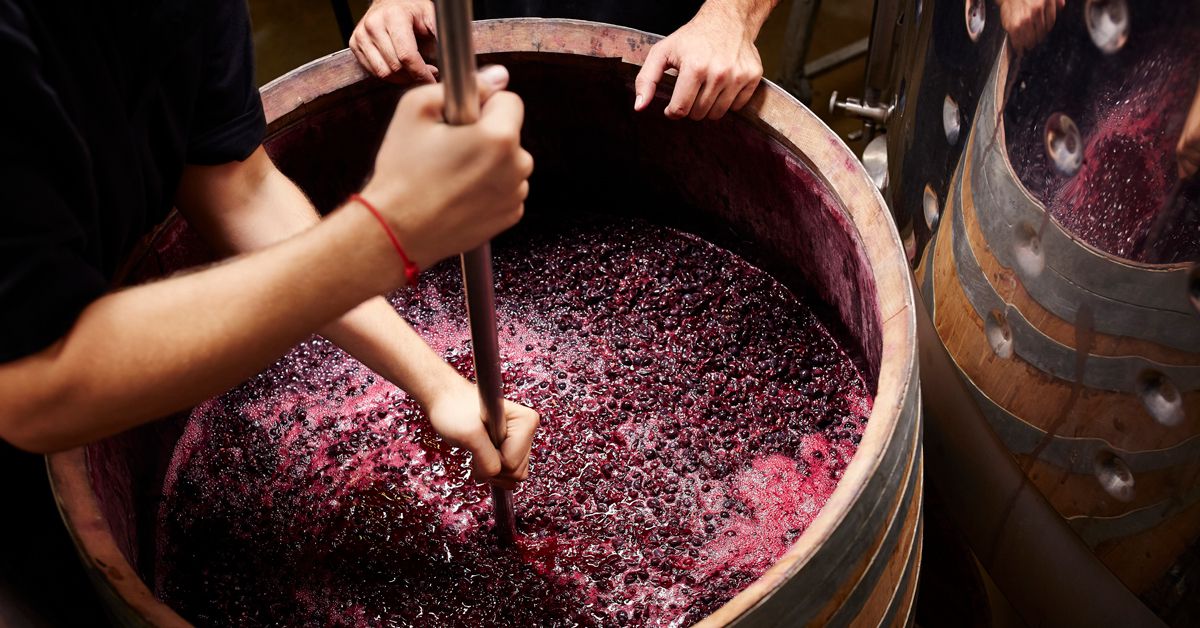
South Korean startup DECANT has succeeded in bio-recycling tens of millions of tons of wine-making by-products that were being wasted annually into high-value-added beauty products.
Using green decanting technology, the company has developed a variety of beauty products made of pomace, a collective term for grape seeds, stems, and skins generated during the wine extraction process.
VINOIR, the company's green beauty brand, has already established a presence on Amazon and is set to debut in the domestic market in the second half of this year.
DECANT's acquisition of wineries in Tasmania, Australia, and pomace from Bourgogne, France, ensured its global competitiveness.
Due to technical difficulties and processing difficulties, pomace, a by-product generated during the winemaking process, has been wasted.
Pomace has long been considered a significant environmental threat because it produces carbon and acidifies soils.







