


 Fed's Hammack Urges Faster Rate Hikes to Fight Inflation
  Trump Secures Russian Diesel Deal as US Fuel Prices Surge
  Oil Prices Fall as Russia Signals Higher Diesel Exports
  US Dollar Near 18-Month High Ahead of Inflation Data
  IMF Maintains 2027 Global Growth Forecast at 3.4% Amid Rising Risks
  Bumble Shares Surge 50% on $1 Billion Buyout Talks
  TSMC Profit Set to Surge 65% as AI Chip Demand Drives Record Earnings
  Russia Approves Sberbank for Crypto Exchange Services
  Hong Kong’s Second Solana ETF Launches With Lower Fees
  Airbus Tests Valkyrie Combat Drone in Europe for Eurofighter Integration
  Syndax Stock Drops 15% After Axatilimab Trial Failure
  Canton Network Expands in South Korea With Major Partnerships
  RBA Signals More Rate Hikes as Inflation Risks Rise
  Morgan Stanley Predicts $10 Trillion RWA Market by 2030
  Gold Prices Rebound as Dollar Weakens Ahead of US Inflation Data
  Samsung, SK Hynix Shares Plunge as China Chip Competition Grows
  Nasdaq Falls as Oil Prices Surge Ahead of Bank Earnings


 Add as a preferred source on Google
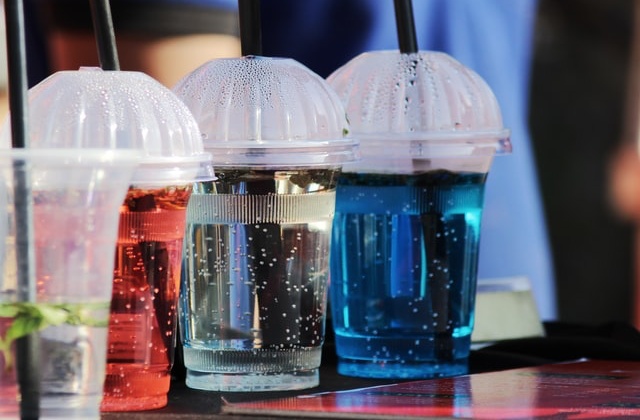
The coffee shops and restaurants in South Korea are reportedly receiving complaints from customers after disposable cups and dishes were banned for diners. The establishments cannot do anything about the ban since it was the government's order to stop the use of disposable utensils in their stores.
The South Korean government imposed a ban on plastic cups in fast-food outlets, and the policy went into effect on Friday, April 1. As per The Korea Times, the use of disposable utensils was first prohibited in 2018, and the ban was lifted in 2020.
When the pandemic struck, the regulation was brought back to stop the spread of COVID-19. The government eased up the restriction a few months later, but the Ministry of Environment is now imposing the same rule with the same strictness when it was first implemented as the country's government believes the COVID situation will soon enter the endemic phase.
"People got used to using plastic cups again during the last two years and I understand that many still feel uneasy about drinking beverages in a mug, which many people share at cafes and restaurants," a coffee shop owner only identified by her surname Jeon said in a statement. "However, there is nothing I can do about the government's policy but people keep asking me if they can just use a plastic cup because they are going to leave in five minutes."
There are also locals who believe that the restriction on the use of plastic cups is not effective because the ban is only implemented in South Korea. They are saying this because the removal of disposables is part of the effort to help save the environment.
"The government is encouraging people to use personal cups but they are also made using plastic," another customer said. "I don't know how Korea alone banning plastic cups can help improve environmental protection."
Meanwhile, The Korea Herald previously reported that the country has banned single-use plastics cups once again. The Environment Ministry ordered restaurants and coffee shops to follow and containers, plastic cups, toothpicks, and wooden chopsticks were not allowed even in bars and food stalls. This recent prohibition was announced just last week.







