


 U.S. Issues Cuba Health Alert as Illnesses Rise
  Trump Orders Major Overhaul of US Navy Shipbuilding
  US Stock Futures Mixed as Fed Rate Hike Bets Rise
  New Zealand Moves to Ban Social Media for Children Under 16
  Netanyahu Orders West Bank Settler Outposts Dismantled
  Iran Threatens US With ‘Economic Warfare’ as Gulf Tensions Rise
  Brazil Warns EU of Retaliation Over Animal Products Ban
  Hungary Industrial Output Beats Forecasts With 4.7% July Growth
  Lavrov Accuses Germany of ‘Declaring War’ on Russia
  Trump Administration Pauses Visa Appointments Worldwide
  SEC Probes Banks Over Situational Awareness Hedge Fund Collapse
  Guatemala Receives 2,300 Mexicans Deported From US
  US Sailor’s Father Detained by Immigration Authorities
  Iran Plans New Gulf Restricted Zone as Hormuz Tensions Push Oil Higher
  Putin Holds ‘Highly Useful’ Ukraine Peace Talks With Trump Envoys
  Judge Blocks Trump Mail Voting Order Ahead of 2026 Midterms
  Google Changes EU Spam Policy Amid Antitrust Scrutiny


 Add as a preferred source on Google
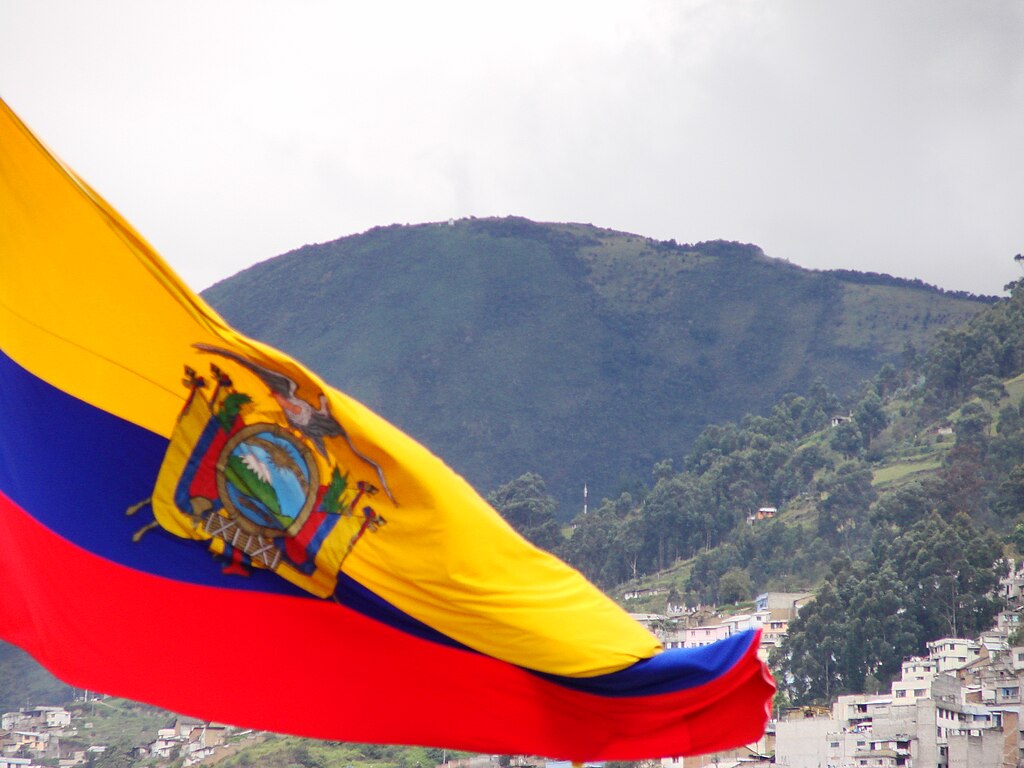
Ecuador will raise tariffs on Colombian imports to 50% starting March 1, escalating a growing trade dispute between the two neighboring countries. The decision, announced by Ecuador’s government on Thursday, deepens tensions fueled by concerns over border security, drug trafficking, and an ongoing trade imbalance.
The tariff increase follows an earlier move in February, when Ecuador imposed a 30% tariff on goods from Colombia. Officials cited a widening trade deficit and what they described as insufficient cooperation from Colombia in combating drug trafficking along their shared border. President Daniel Noboa has prioritized a hardline security strategy, expanding military involvement and invoking extraordinary powers to address rising crime linked to organized drug cartels.
Colombia has rejected claims that it is not cooperating. Authorities point to joint anti-narcotics operations that have resulted in significant cocaine seizures. Colombia remains one of the world’s largest cocaine producers, and traffickers frequently move shipments through Ecuador to reach markets in the United States and Europe.
In response to Ecuador’s earlier tariffs, Colombia suspended electricity exports to Ecuador, restricted certain overland food imports, and imposed its own 30% tariff on Ecuadorian goods. Ecuador relies heavily on Colombian electricity during drought periods when hydroelectric production declines. Ecuador also raised transit fees on Colombian crude oil transported through its SOTE pipeline by 900%, prompting Colombia to halt shipments.
Colombia’s Trade Minister Diana Marcela Morales said the government is reviewing potential countermeasures but remains open to dialogue and diplomatic solutions. Both countries have brought their complaints before the Andean Community of Nations (CAN), the regional trade bloc overseeing trade relations.
Ecuador reported a $1.03 billion trade deficit with Colombia through 2025, excluding oil. As trade tensions intensify, businesses on both sides of the border face growing uncertainty while leaders weigh further economic and diplomatic steps.







