Space Industries opened its Stellar Hub near Turin on Oct. 28, bringing assembly, integration and testing together at a site with a theoretical ceiling of 140 satellites a year.
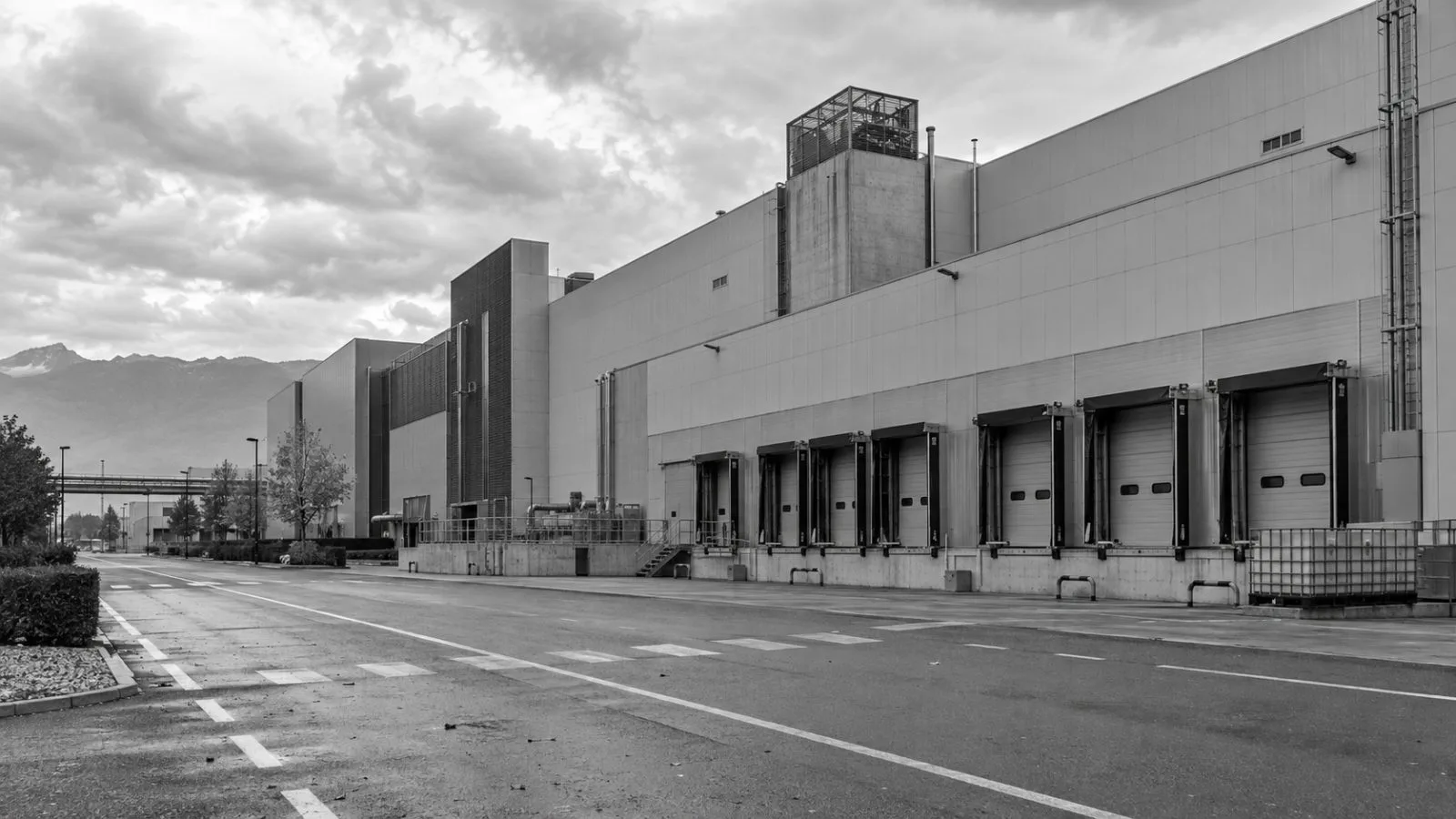
The Settimo Torinese facility spans nearly 8,000 square meters, according to Space Industries. Its current facility page lists more than 2,500 square meters of clean-room space for satellites weighing up to 700 kilograms. A July company statement and an opening-day announcement carried by Italpress give different specifications: about 2,000 square meters of clean rooms and a maximum satellite weight of 600 kilograms. Space Industries has not explained the discrepancy.
The 140-satellite figure applies only once the facility is fully operational and depends on the requirements of each program, the company said. It is a theoretical maximum, not reported annual output. In July, Space Industries said it expected its production lines to reach full operation by the end of 2026.
Comat, which controls Space Industries, funded the facility with more than €20 million in private investment, according to an opening-day announcement carried by Italpress. Space Industries reported about 40 employees and set targets of more than 200 employees and €30 million in annual turnover by 2030.
Space Industries says its Design for Production approach helps customers plan satellites and subsystems for repeatable manufacture, integration and testing. The hub is intended to serve commercial, institutional and scientific programs, from individual satellites and small series to constellations. Space Industries CEO Giuseppe Santangelo said in a July statement that space research and commercial markets require “very high reliability, scalable processes and predictable timing” (translated from Italian).
Before opening, the site hosted tests of Layer-0, which is intended for an upgrade to AMS-02, the particle detector aboard the International Space Station. Space Industries said the work drew on expertise from Italy’s National Institute for Nuclear Physics, NASA, CERN, the Massachusetts Institute of Technology and Alca Space.