


 Jameson Lopp Downplays AI Threat to Bitcoin Cryptography
  Anthropic Launches Claude Dashboards and Motion AI Tools
  Intel Reaffirms Role in Elon Musk’s Terafab Chip Project
  XRP Ledger Activates New Security Feature for Banks and Stablecoins
  Ripple Chairman Chris Larsen Donates $22.5 Million Ahead of US Midterms
  Zcash Plans Quantum-Resistant Security Upgrade for January
  Micron Shares Rise 4% Despite Taiwan Strike Risk
  US Suspends Microsoft, Adobe From Green Card Program
  Oracle Uses Trucked Natural Gas to Power AI Data Centers Amid Pipeline Delays
  TSMC Q3 Revenue Beats Estimates as AI Chip Demand Surges
  Tencent Shares Fall as $5 Billion AI Bond Sale Weighed
  MSTR Stock Rises as Barclays Raises Price Target to $175
  DWF Labs Sues BitGo for $114 Million Over Alleged Token Sales Breach
  Ledger Investigates Alleged $86 Million Crypto Wallet Theft
  Xiaomi Shares Surge 7.6% as SkyNomad EV Orders Hit 70,000
  Apple Names Steve Smith M&A Chief in Leadership Shakeup


 Add as a preferred source on Google
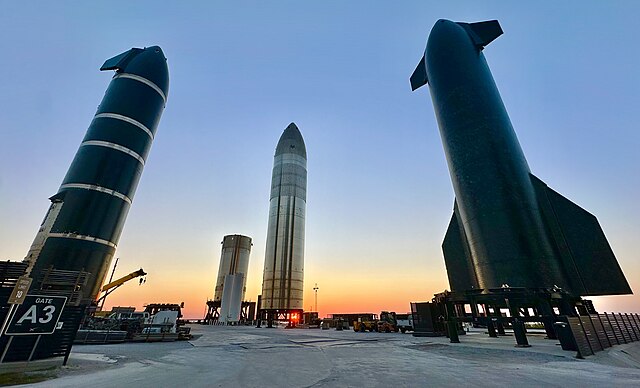
SpaceX briefly recovered some of its losses on Friday after a Wall Street Journal report said the aerospace company is negotiating a multi-billion-dollar agreement with the Pentagon to provide artificial intelligence computing infrastructure. Despite the initial market reaction, the rebound faded, with SpaceX shares ending the session down about 4.4%.
While investors showed only a muted response to the potential defense contract, the report had a much stronger impact on AI cloud-computing companies. CoreWeave shares turned lower after reports that SpaceX is considering offering AI computing capacity at significantly lower prices than existing providers. The prospect of aggressive pricing fueled concerns about increased competition and pressure on profit margins across the AI infrastructure sector.
According to the report, the proposed deal would allocate dedicated data-center capacity for the U.S. Department of Defense, enabling the military to run advanced AI models for national security and operational purposes. Although discussions remain ongoing and no agreement has been finalized, the project would further strengthen SpaceX’s expanding role in U.S. defense technology.
SpaceX already works closely with the Pentagon through rocket launches, satellite communications, and missile-tracking programs. A move into AI cloud infrastructure would deepen that partnership, while also raising questions among some national security experts about the growing reliance on Elon Musk’s companies for critical military capabilities.
The negotiations come as the Pentagon accelerates efforts to secure reliable AI computing resources for agencies such as the National Security Agency and military personnel using artificial intelligence in defense operations. Demand for secure AI infrastructure has intensified as governments increasingly integrate AI into national security strategies.
Competition for government AI contracts is also heating up. Amazon has committed roughly $50 billion to expand cloud capacity aimed at public-sector customers, while Microsoft, Google, and Oracle continue to strengthen their positions as major providers of government cloud services. By pursuing the Pentagon contract and reportedly planning lower-cost AI computing services, SpaceX appears determined to challenge established cloud providers and capture a larger share of the rapidly growing AI infrastructure market.







