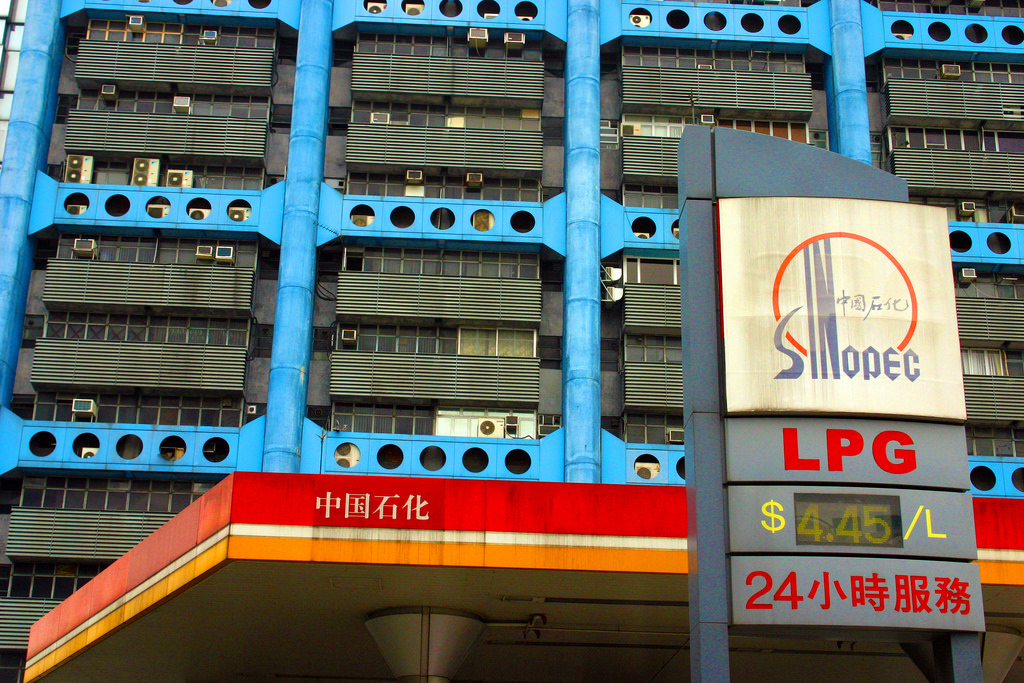
China's state-owned Sinopec, the world's largest oil refiner, has significantly increased imports of Russia's Far East ESPO crude to offset reduced Middle East supplies following disruptions caused by the Iran conflict, according to trade sources and shipping data.
The refiner has reportedly secured between 30 and 40 ESPO cargoes for delivery from July through September, equivalent to around 241,000 to 320,000 barrels per day. The volume represents roughly 5% to 6% of Sinopec's 5.2 million bpd refining capacity. The company declined to comment on its procurement strategy.
Industry analysts say Sinopec has turned to Russian crude because of its competitive pricing and reliable delivery. ESPO crude is currently priced at a discount of $1 to $2 per barrel against Brent, making it about $10 cheaper than comparable grades from Oman and Brazil. The lower costs have helped Sinopec maintain refinery operations while maximizing profits from fuel exports.
According to Vortexa Analytics, Sinopec imported around 7.4 million barrels of ESPO crude in July, with most cargoes arriving at Rizhao Port in Shandong province. The company has also purchased at least 10 cargoes each for August and September, reflecting continued demand for Russian supplies.
China's overall crude oil imports dropped sharply after the Iran conflict began, with June imports falling 41% from a year earlier. However, the government has eased fuel export restrictions for July and August, allowing refiners greater flexibility. Analysts note that Chinese buyers are increasingly favoring crude grades offering lower freight costs and greater supply certainty, particularly Russian Far East cargoes.
Sinopec had suspended Russian oil purchases last year after the United States imposed sanctions on major Russian producers. It resumed buying in March and April following a temporary U.S. waiver and expanded purchases as Middle East supply tightened. Sources said the latest ESPO transactions were conducted through intermediaries rather than sanctioned entities and settled in Chinese yuan.
Meanwhile, Sinopec has sharply reduced Saudi crude imports. After purchasing around 20 million barrels in both March and April, the company reportedly bought none in June and July and only about 2 million barrels for August, highlighting its growing reliance on discounted Russian oil.