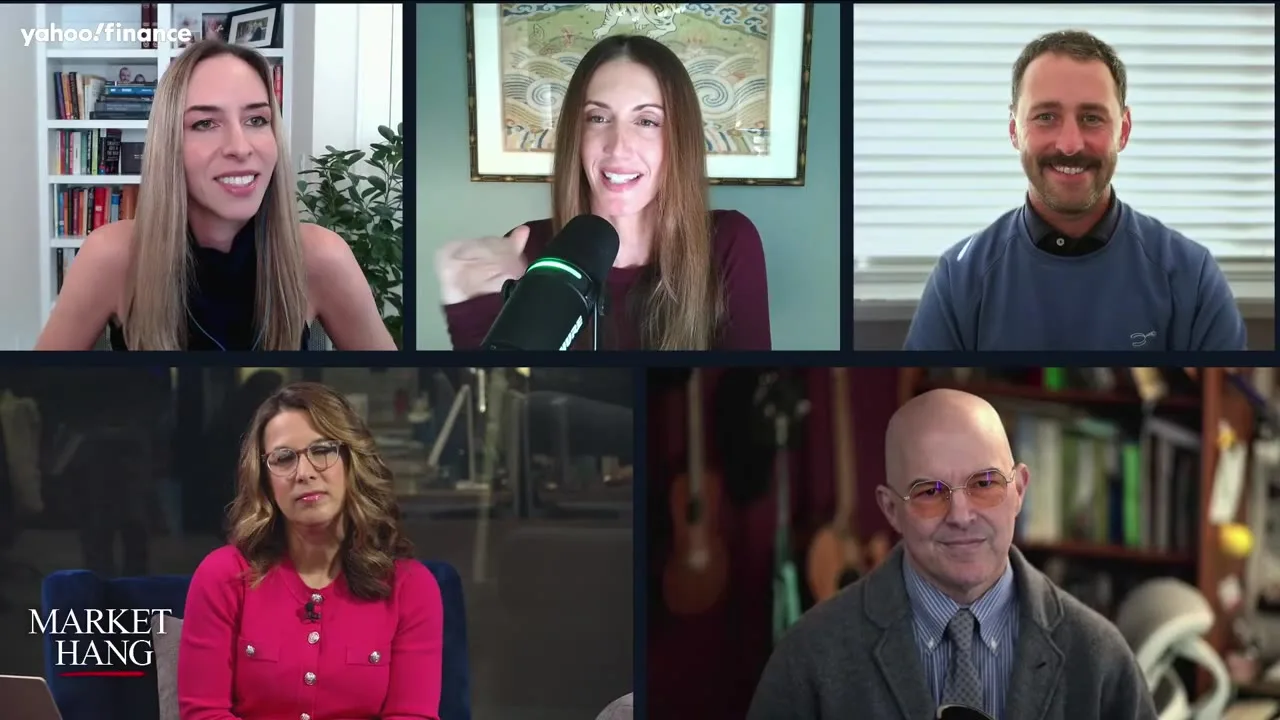
SpaceX, valued at roughly $2.2 trillion, and Tesla formed special committees to discuss a possible merger following SpaceX's third-quarter earnings announcement, according to the Oct. 21 broadcast of Yahoo Finance's Market Hang programme.
A combination would bring together SpaceX's expanding computing business and a carmaker whose vehicle operations face falling margins. The proposed transaction would also raise questions about Elon Musk's control over shareholders.
The discussion included the co-founders of the Wall Street Skinny financial education business. Their comments were broadcast commentary, rather than an announcement by either company, and the programme gave no agreed merger terms or commitment to complete a transaction.
Tesla had a market value of roughly $1.7 trillion. A merger at the valuations discussed would be the largest in history, exceeding SpaceX's earlier purchase of xAI.
The discussion raised questions about whether Tesla shareholders would receive enough compensation for entering a combined business under Musk's voting control. Participants cited conflicting voting percentages, leaving the precise level of that control unresolved.
“We're consolidating the control,” was a comment during the discussion. The discussion also raised questions about whether combining the businesses would benefit shareholders, including people who own the companies through index funds, which track baskets of stocks.
The financing discussion centred on Tesla's ability to support SpaceX's spending. Tesla generated positive free cash flow, money left after operating costs and investment, in 2025, but that measure was turning negative this year.
SpaceX's quarterly revenue reached about $14.5 billion, up 161% from a year earlier, and the company swung to a net profit, according to its earnings announcement cited during the discussion. Artificial intelligence revenue grew about 830%.
The company also had a $45 billion computing contract with Anthropic tied to Colossus. The discussion included a comparison of SpaceX's growing computing operations with businesses that build data centres and rent computing capacity to artificial intelligence customers.
Those businesses need money to build facilities before fulfilling customer contracts. Their funding can come from cash generated by operations, borrowing or selling shares, creating questions about how SpaceX would finance further expansion.
Musk said SpaceX would reach an annualised revenue pace of $1 trillion within 16 months. The discussion questioned that target by referring to earlier Musk promises that had not materialised.
Restrictions on trading 2.3 billion SpaceX shares would expire within six weeks. The discussion separately included Nov. 2 as the date for the release of shares representing about 28% of those outstanding.
SpaceX was targeting 13 gigawatts of capacity next year. How it would finance that construction remained unresolved, alongside the merger's price, regulatory treatment and consequences for Tesla shareholders.