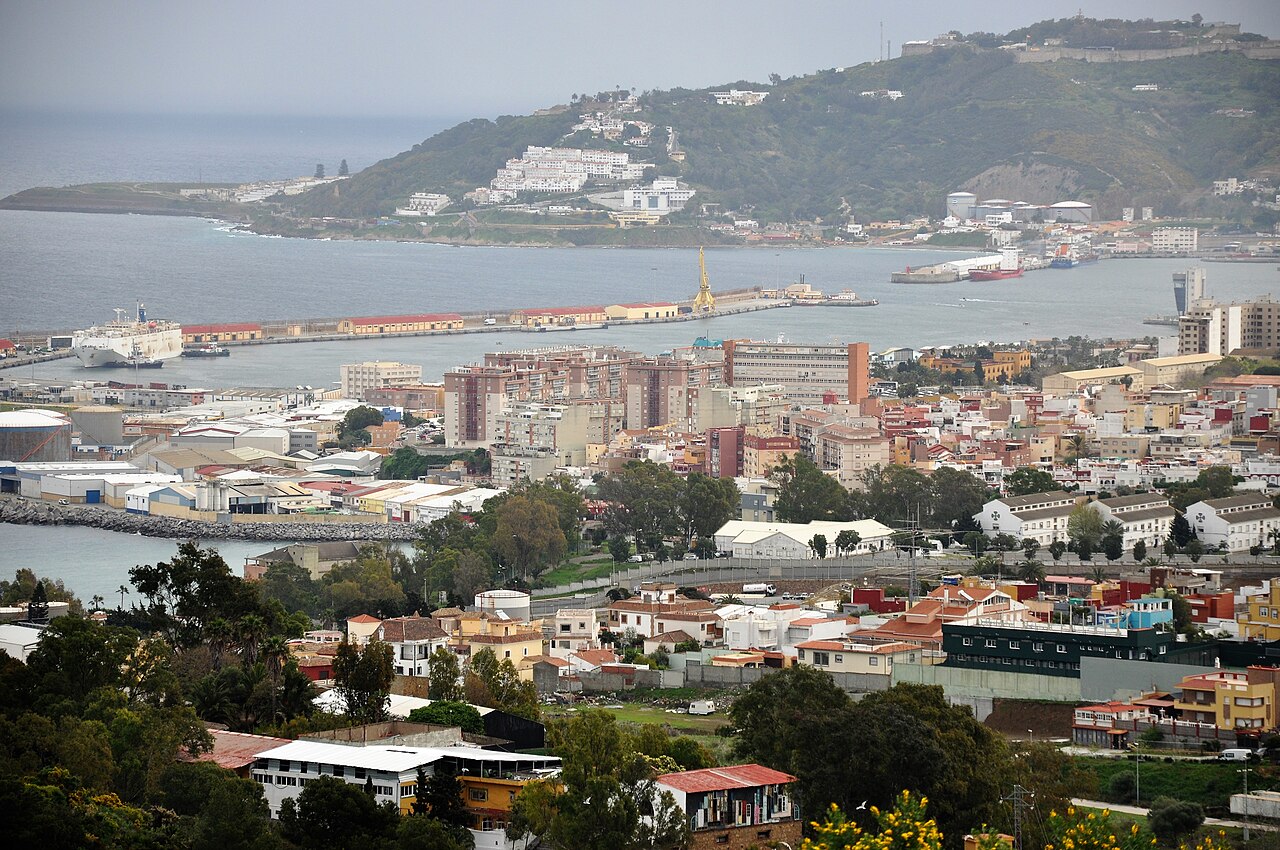
Spain deployed military personnel and additional police to the North African enclave of Ceuta on Thursday after thousands of migrants attempted to enter the territory from Morocco by sea and land, escalating pressure on border authorities.
Spanish broadcaster TVE reported that between 2,000 and 3,000 migrants crossed into Ceuta during the day, although Reuters could not independently verify the figure. Footage showed hundreds swimming or using inflatable tubes to reach the enclave, while others forced their way through a land border gate.
In the nearby Moroccan town of Fnideq, security forces used water cannons to prevent additional crossings, according to witnesses. Migrants who reached Ceuta described determined efforts to overcome police barriers, with some shouting, "Long live Spain," after entering the territory.
Violence also flared at the Beni Ansar crossing near Melilla, Spain's second North African enclave. Local media and rights groups reported clashes that left several people injured and at least three vehicles burned. Moroccan authorities did not immediately comment.
Ceuta authorities said nine bodies were recovered on Thursday, adding to around 60 migrant deaths recorded in recent months during attempts to reach the enclave.
Spain responded by sending 200 specialized police officers and 60 military personnel from the mainland to strengthen security. Prime Minister Pedro Sanchez is scheduled to visit Ceuta alongside Interior Minister Fernando Grande-Marlaska to assess the situation and meet local officials.
The migration surge disrupted daily life, with many businesses closing over security concerns. Some shop owners said they feared police resources would be overwhelmed.
Ceuta and Melilla, the European Union's only land borders with Africa, have long been migration hotspots. Spanish officials blamed criminal smuggling networks for exploiting a recent Supreme Court ruling that limits the immediate return of migrants intercepted at sea. Authorities rejected claims that the government's migrant legalization program had triggered the influx.
The Interior Ministry said it is coordinating closely with Morocco to curb irregular crossings, while refugee organizations reported that many of the new arrivals include Moroccan nationals, migrants from sub-Saharan Africa, and families seeking entry into Europe.