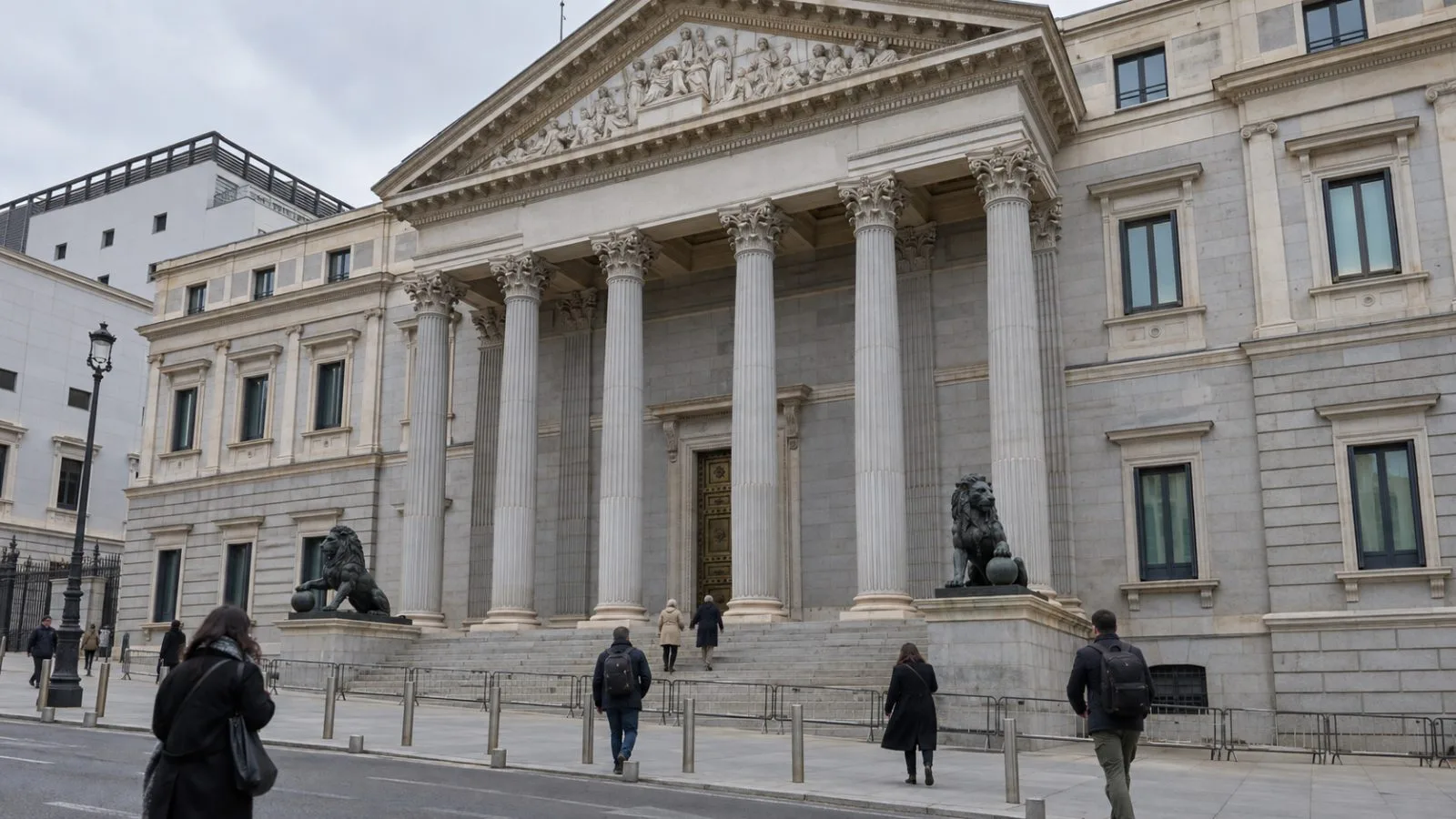
European governments are responding to protests over housing, school conditions and living costs with policies that now face tests in Spain’s parliament and France’s schools.
Spain’s government approved a 21-measure package on Oct. 6, after Congress rejected two earlier housing decrees on Oct. 2. A €10 billion line would offer interest-free loans of up to €50,000 for first-time homebuyers. The plan also includes tax relief for renters and incentives for small landlords who offer affordable leases. Renters, eligible buyers and those landlords are the intended beneficiaries; the government did not provide a full estimate of public cost.
The government said both decrees must be validated by Congress’ Permanent Deputation following the dissolution of the Cortes. One decree took effect Oct. 8, the day after publication; the other is scheduled to take effect Nov. 15 if validated. The process follows an earlier dispute over Spain’s rental decree, while a general election is set for Nov. 29.
France’s school response was announced before its Oct. 17 demonstrations. On Oct. 8, the Education Ministry said it planned to place more than 3,000 substitute teachers in high schools with the greatest need. Students can submit concerns through Oct. 23, and the ministry expects initial decisions across five school areas before October ends. Interior Minister Laurent Nuñez estimated about 550,000 people joined the Oct. 17 demonstrations; the CGT union put turnout at nearly 800,000. Eurostat said France’s gross public debt reached 119.1% of gross domestic product at the end of the second quarter of 2026. The CGT has called for another nationwide strike and demonstration on Nov. 5.
Housing pressure is also evident in Portugal. Reuters reported that police cleared protest camps in Lisbon and Porto before dawn Oct. 20, arresting 55 people in Lisbon. Eurostat recorded a 16.5% year-over-year rise in Portuguese house prices in the second quarter of 2026, against 4.7% across the European Union.
A June TUI Foundation survey of 8,024 people ages 16 to 26 in seven countries found that 25% expected their generation to be better off than their parents, while 52% expected it to be worse off. The survey measured young people’s views generally, not protesters’ views specifically. In a published analysis, HEC Paris European Union law professor Alberto Alemanno cautioned against treating the demonstrations as one European movement, given their different national grievances.
The next milestones include the French consultation deadline on Oct. 23, school decisions expected by month’s end, the CGT’s Nov. 5 action and Spain’s housing validation process ahead of the Nov. 29 election.