Spain’s PSOE, PP and Vox are presenting sharply different economic and social programs before a Nov. 29 snap election that the Associated Press said could end eight years of Socialist-led government.
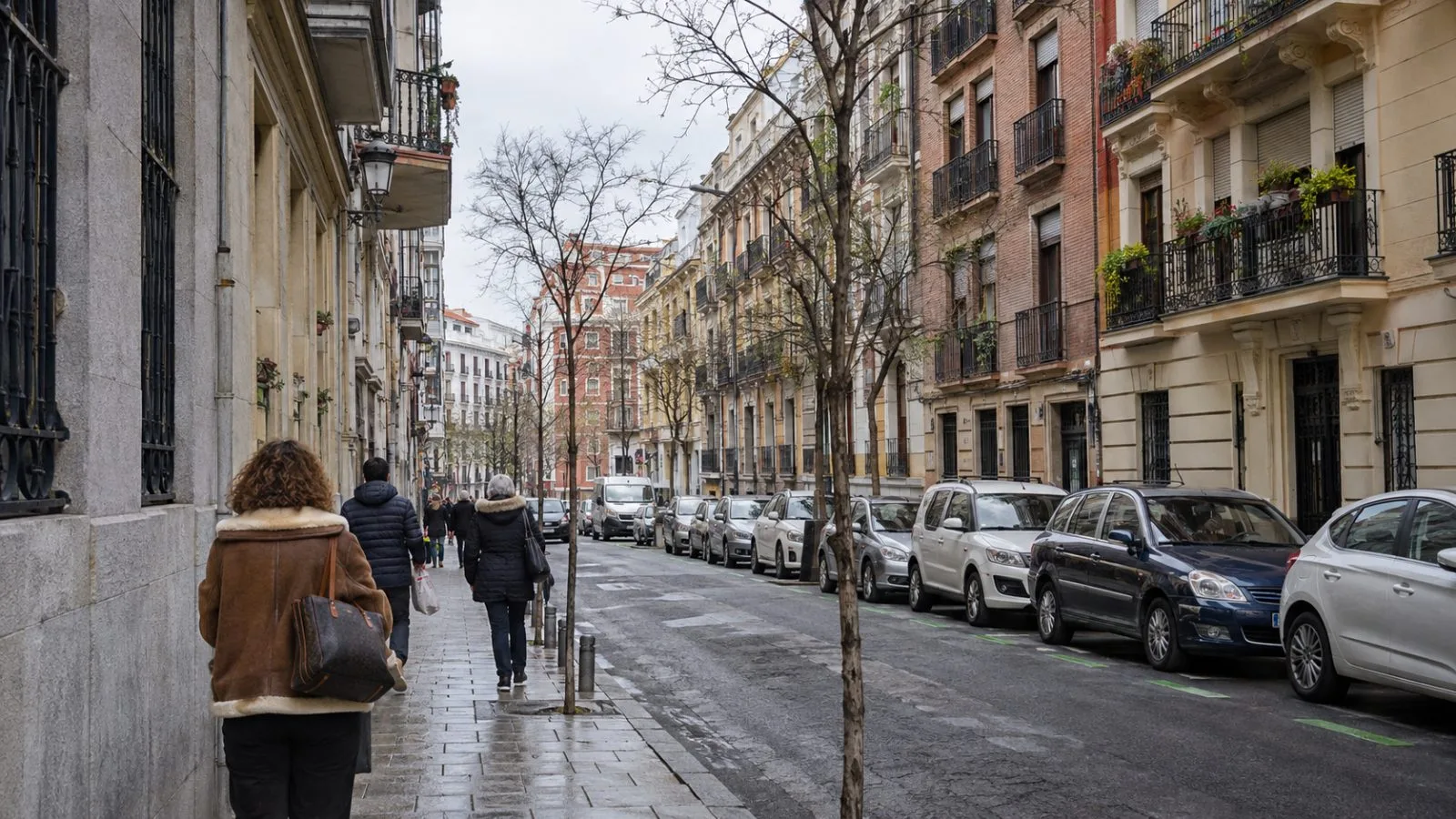
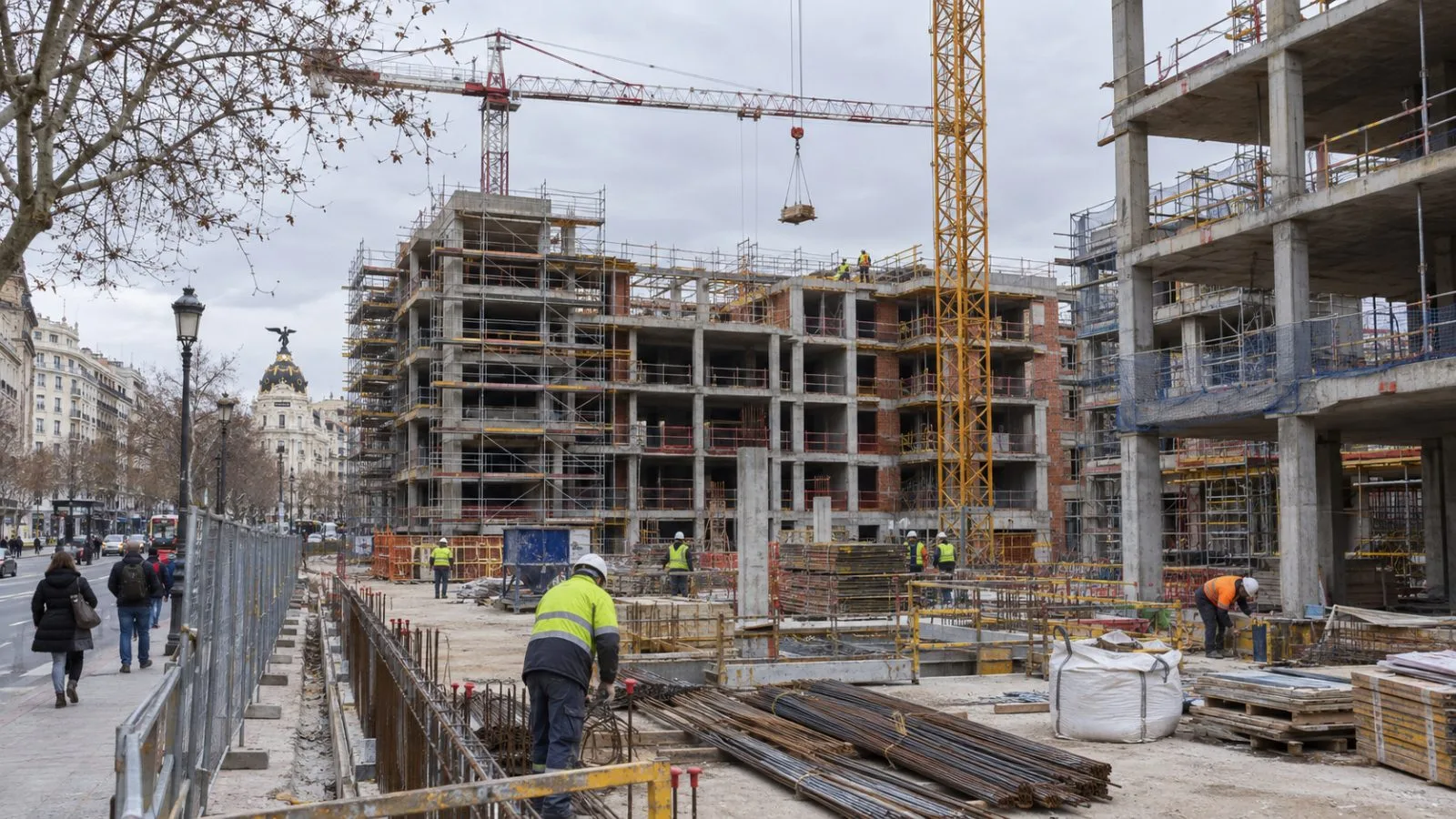
Housing costs have risen over the past decade in Spanish cities and tourist areas. The Associated Press, citing Spain’s state pollster CIS, reported that housing had been voters’ top concern for more than a year.
The Spanish Socialist Workers’ Party (PSOE) would create a state public housing stock of 100,000 homes and launch its €10 billion TU CASA program, including interest-free first-home loans of up to €50,000. It also promises protection for vulnerable households facing eviction.
The Popular Party (PP) proposes building 1 million homes, repealing Spain’s Housing Law and expanding public mortgage guarantees covering up to 20% of a property’s value for buyers under 40, with possible eligibility to age 50. Vox would prioritize Spaniards in public or subsidized housing, reform land laws and allow unauthorized occupants to be evicted in less than 24 hours.
Migration policy presents another sharp divide. The PSOE favors wider legal migration routes, recruitment from countries of origin and a €500 million Integration and Citizenship Plan for 2026-2030. The PP would use points-based visas and annual quotas tied to unemployment, labor shortages, housing and public services, while legally banning mass regularizations. Vox would abolish arraigo, a route to regularization, repatriate people living illegally in Spain and restrict benefits for undocumented migrants.
The PSOE would add taxes on large technology companies and luxury travel with high carbon emissions, alongside a global minimum tax on large fortunes. Its program also calls for a 35% capital-tax rate on capital income above €300,000. The PP would lower personal-income taxes for low- and middle-income earners, index tax brackets to inflation and set a 0% VAT rate on basic food while the purchasing-power crisis persists. Vox would cut personal-income, VAT and corporate taxes and eliminate social-security contributions for self-employed workers earning below the minimum wage.
Energy policy separates the parties as well. The PSOE would keep the nuclear-plant closure schedule through 2035, target 81% renewable electricity generation by 2030 and require data centers to use renewable energy. The PP would remove the timetable for existing plants, including Almaraz, Ascó, Vandellós, Cofrentes and Trillo, and eliminate the 7% electricity-production tax. Vox would preserve existing plants, study new reactors at current sites and reverse regulations it says are linked to the European Green Deal and Agenda 2030.
On Gibraltar, the PSOE supports full implementation of the agreement while maintaining Spain’s sovereignty position. The PP would review it, while Vox would seek international pressure to recover sovereignty and suspend agreements with Morocco until it respects Spain’s borders and sovereignty. The parties also differ over abortion, transgender rights and medical conscience protections.
Spanish Prime Minister Pedro Sánchez told EL PAÍS English in an interview published Nov. 26: “We’re within touching distance. If we achieve a 75% or higher turnout, we could secure 176 progressive seats.”
The Official State Gazette decree says the campaign ends at 6 p.m. ET Friday, Nov. 27 (11 p.m. UTC), corresponding to midnight in Spain at the start of Saturday, Nov. 28. The new Congress of Deputies and Senate are scheduled to hold their constitutive sessions at 4 a.m. ET (9 a.m. UTC), or 10 a.m. local time, on Dec. 23.