State Street is buying technology stocks after a selloff that its head of equity research said had gone further than the decline in the sector's business prospects, the executive said on Nov. 27.
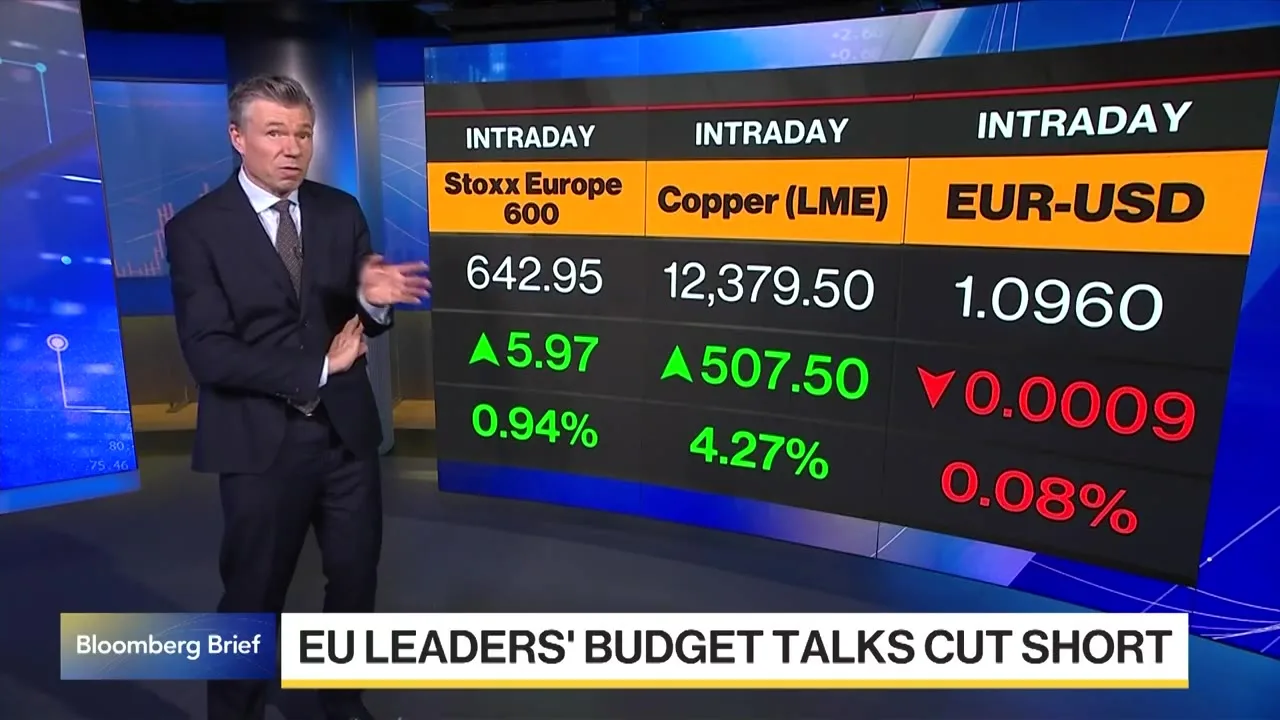
The executive singled out semiconductor companies, saying their share prices had fallen despite continued earnings growth and demand. The remarks came in an interview on Bloomberg Television's “Stock Futures Rally as AI Trade Gathers Pace; EU Budget Talks Falter.”
“We are bargain-hunting,” the executive said, adding that sentiment appeared to be stabilizing. The transcript did not provide a reliable name for the speaker.
The executive said major semiconductor stocks were trading at depressed valuations while their underlying earnings continued to grow. There had been no major earnings downgrades for this year or the following two years, the executive said.
Large technology companies had not reported major challenges, and the biggest cloud computing companies had not discussed cutting their capital spending plans, the executive said.
Investors had sold about half of their overweight positions in technology, the executive said. An overweight position means holding more of a sector than its share of a benchmark.
Those holdings remained sizable, but were smaller than before. Large institutional investors had begun buying some U.S. and technology stocks early in the week, the executive said, describing the purchases as signs of improving sentiment.
On the U.S. economy, the executive said activity linked to artificial intelligence was doing well, while lower-income consumers were showing some weakness. That made the Federal Reserve's decision on interest rates difficult, the executive said.
State Street's indicators placed the Fed among the central banks most inclined to keep monetary policy tight, the executive said. The executive did not specify the size of any expected rate move.
Turning to China, the executive said foreign institutional investors remained reluctant to buy Chinese stocks and held sizable underweight positions. The executive said they wanted stronger earnings before increasing their holdings.
Major Chinese companies' earnings had disappointed for almost a decade, the executive said. Chinese authorities had pledged support for the local market, encouraging domestic buyers, but foreign investors were likely to remain skeptical without better earnings, the executive said.
The executive was asked about the prospects for a year-end stock rally. Improving sentiment gave it a “very good chance,” the executive said. The executive did not give a target for the market or say how long a rally might last.