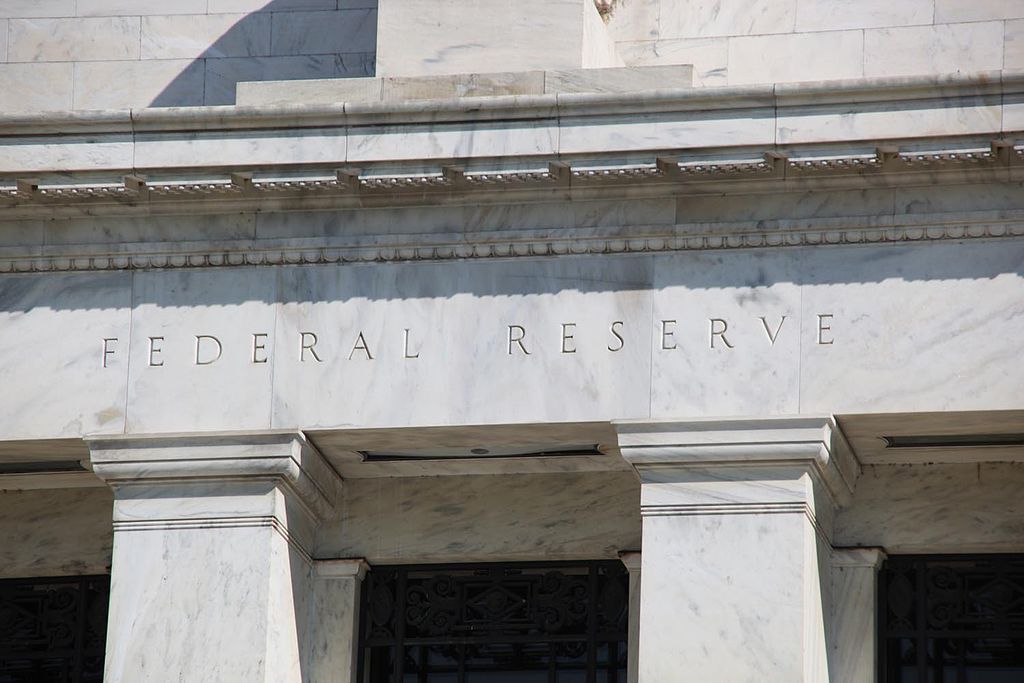
Wall Street ended mostly lower as investors reacted to the Federal Reserve’s decision to keep interest rates unchanged, a move that was widely expected but still influenced market sentiment. The S&P 500 and NASDAQ Composite closed relatively flat, while the Dow Jones Industrial Average declined, reflecting cautious trading activity amid economic uncertainty and global tensions .
The Federal Open Market Committee maintained its benchmark interest rate at 3.50%–3.75%, signaling a careful approach as inflation concerns persist. Rising oil prices, driven by ongoing tensions between the United States and Iran, continue to pressure consumer prices and complicate the Fed’s monetary policy strategy. Analysts note that while inflation remains above target, early signs of labor market softening create a challenging environment for future rate decisions .
Investor focus is also shifting toward major tech earnings, with companies like Microsoft, Amazon, Alphabet, and Meta set to release quarterly results. These tech giants play a crucial role in shaping overall market performance, especially as they invest heavily in artificial intelligence infrastructure. Concerns have emerged about whether significant AI spending will deliver strong returns, particularly after reports suggested slower-than-expected growth in the sector .
Geopolitical developments further influenced market sentiment, as tensions in the Middle East escalated. Reports of a potential prolonged U.S. naval blockade on Iran have contributed to rising oil prices, with Brent crude surging significantly. The continued closure of the Strait of Hormuz has intensified supply concerns, adding volatility to global energy markets .
Despite these challenges, the earnings season has shown resilience, with a majority of companies exceeding expectations. Firms like Visa, NXP Semiconductors, and Seagate reported strong results, driven by steady consumer spending and robust demand for AI-related technologies. However, not all companies performed well, as some stocks declined following weaker earnings reports .
Overall, the stock market outlook remains mixed, with investors balancing interest rate policy, corporate earnings, and geopolitical risks.