The United States carried out fresh military strikes against Iran on Wednesday evening, according to Reuters, intensifying tensions in the Middle East despite ongoing discussions about a possible ceasefire agreement. The latest attacks reportedly targeted an Iranian military site near Bandar Abbas after U.S. forces intercepted drones launched from Iran.
Local Iranian media confirmed that three explosions were heard near Bandar Abbas, while U.S. officials stated the strikes were aimed at neutralizing threats against American troops and commercial shipping routes in the Strait of Hormuz. Washington described the military action as an act of “self-defense,” claiming the ceasefire between the two countries technically remains in place.
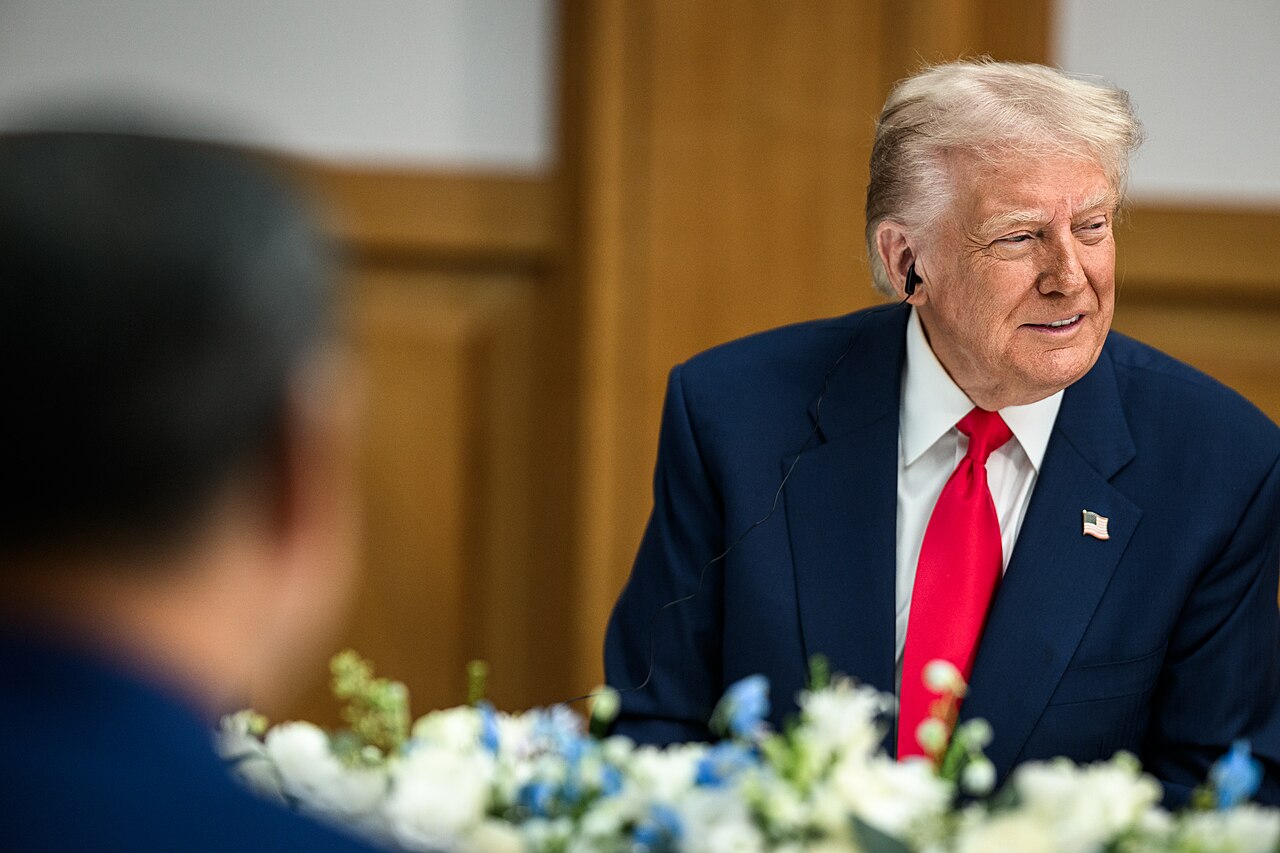
The renewed conflict came just hours after President Donald Trump expressed dissatisfaction with a proposed peace agreement involving Iran. Trump rejected reports suggesting that Iran and Oman would jointly oversee shipping operations in the Strait of Hormuz as part of a broader deal to end the conflict.
Iranian media had earlier reported that Tehran planned to restore commercial shipping in the Strait of Hormuz to prewar levels within one month. The draft framework also reportedly included the lifting of U.S. restrictions on Iranian ports, signaling progress toward de-escalation. However, Trump’s latest comments cast doubt on whether a final agreement can be reached soon.
The uncertainty surrounding the U.S.-Iran conflict caused oil prices to rise sharply. Brent crude oil climbed more than 1% following news of the strikes, although crude markets continue to face pressure from speculation that a diplomatic solution could eventually reopen Hormuz and stabilize global energy supplies.
Investors remain closely focused on developments involving Iran, the United States, and global oil markets as geopolitical tensions continue to influence energy prices and financial markets worldwide.