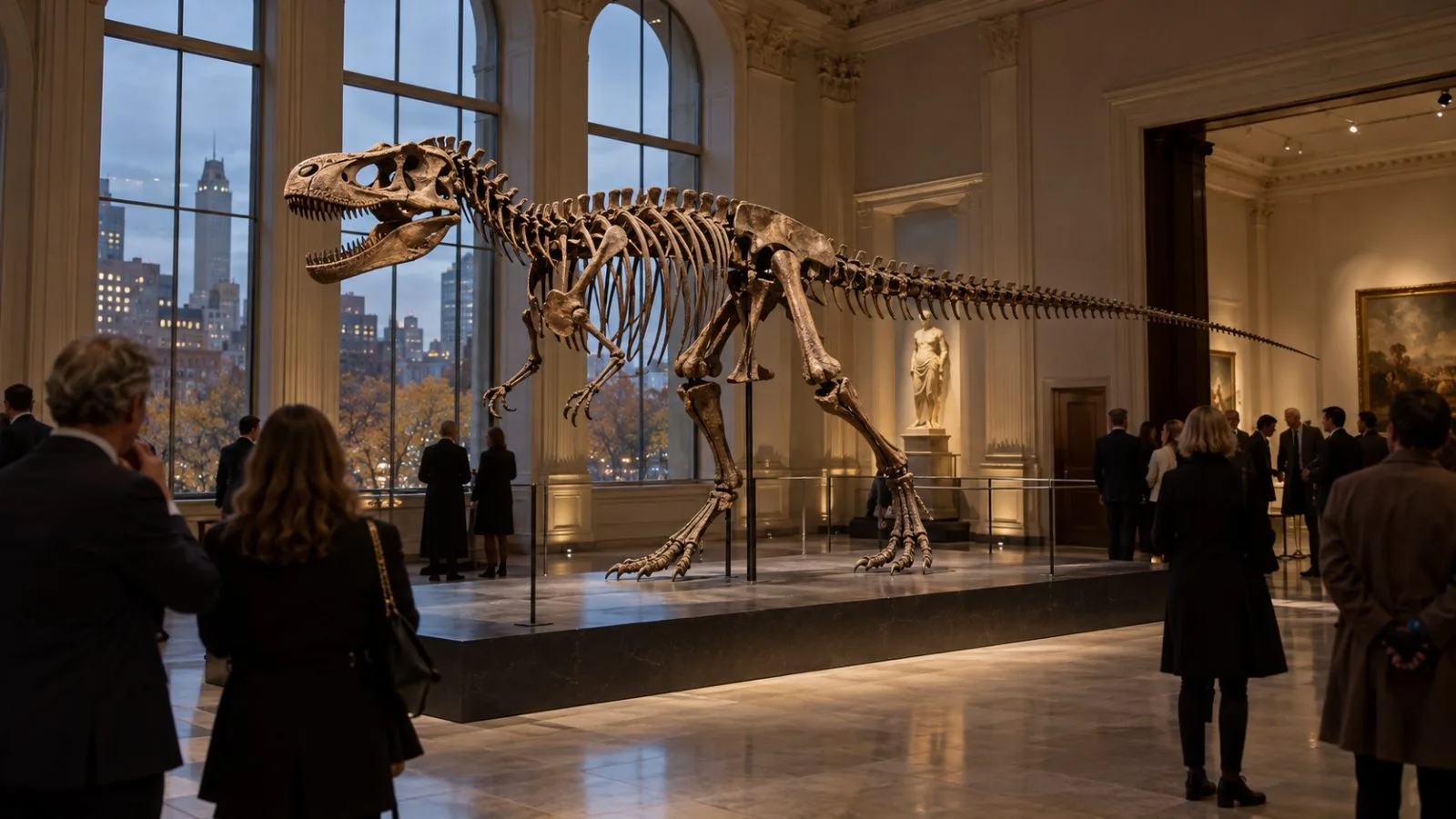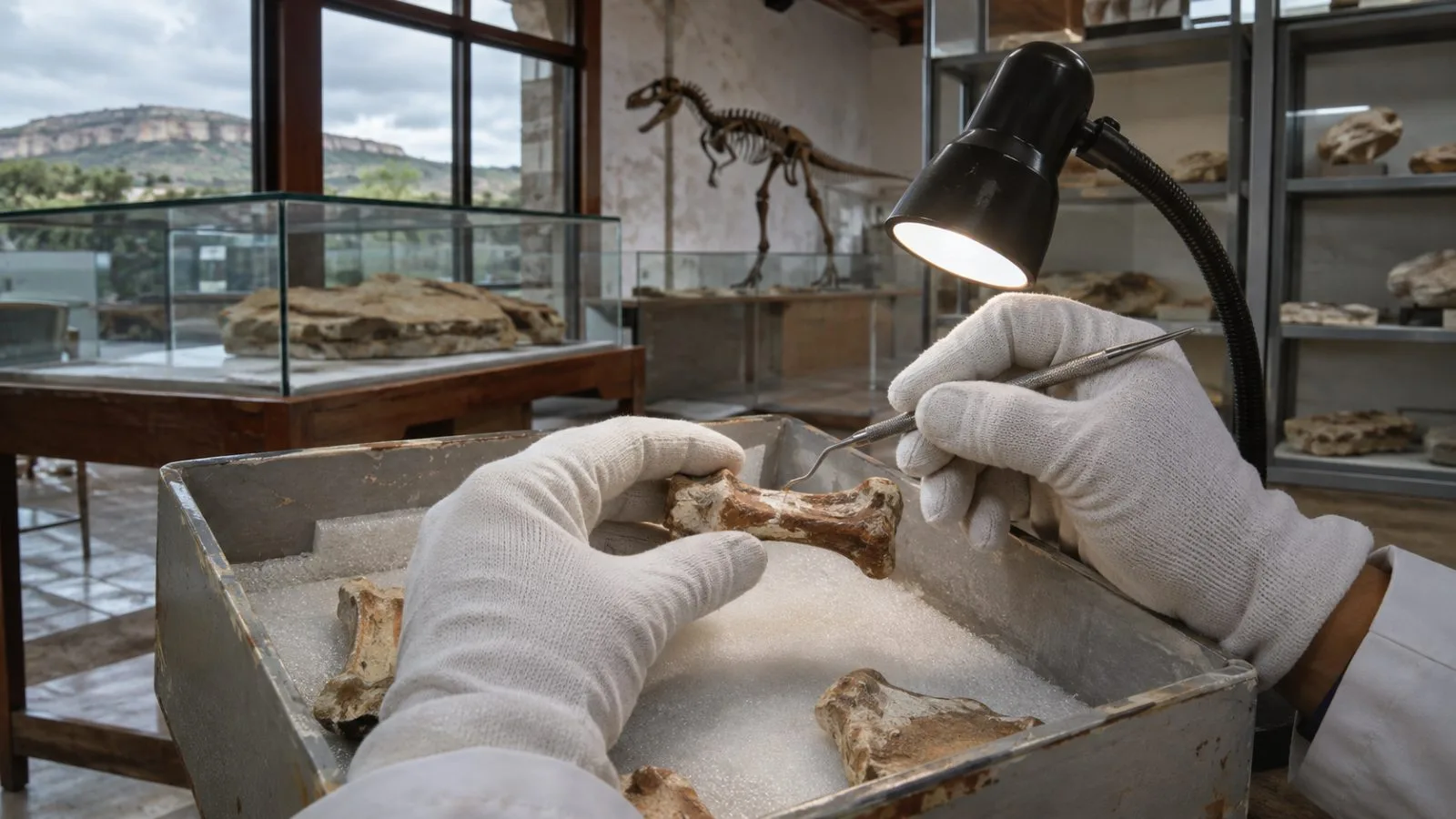
Chemical tests identified heme and its breakdown products in a 115-million-year-old Aratasaurus bone from northeastern Brazil, evidence of blood-related compounds in a dinosaur fossil.
The study appears in Proceedings of the National Academy of Sciences. Heme is part of hemoglobin, the protein that carries oxygen through the body. Aratasaurus was a small meat-eating dinosaur.
Researchers also described preserved structures that resemble red blood cells. The Guardian reported that Prof. Mary Schweitzer was not convinced they were red blood cells, citing their concave shape.