


 Bank of America Predicts Yen Rebound as USD/JPY Faces Risks
  Oil Prices Slip as Trump Rules Out Iran Strike Before Midterms
  US Dollar Near 18-Month High Ahead of Inflation Data
  Global Stocks Mixed as Oil Falls Ahead of US Earnings
  Wall Street Falls as Oil Prices Rise and Tech Stocks Slide
  US Dollar Rises for Fourth Week as Fed Rate Hike Bets Grow
  IMF, World Bank Meetings Face Global Economic Risks Amid Iran War
  US Treasury Yields Ease After Strong 10-Year Auction as Global Bonds Struggle
  US, EU Push for Action Against Asia’s Excess Factory Capacity
  Gold Prices Rise Above $4,200 as Russia-Ukraine Energy Truce Eases Oil Concerns


 Add as a preferred source on Google
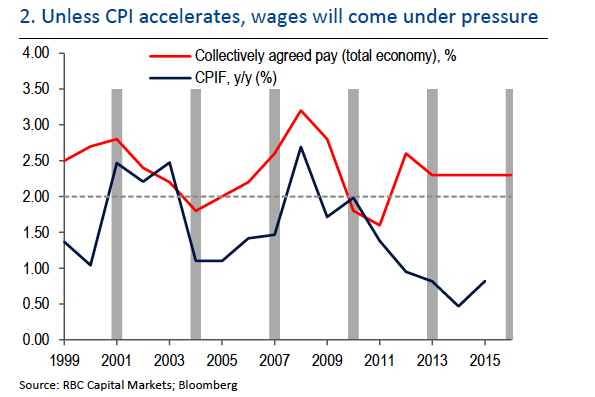
The Riksbank wants to see is EUR/SEK staying at its current levels of 9.30, given the emphasis put on SEK in supporting the CPI recovery. A rise in import prices via SEK devaluation is likely the quickest and most direct route towards increasing CPI back to the Riksbank's target of 2%, given the limited timing, as the 2016 wage negotiations come into focus and the lag effect of monetary policy on general price levels.
"This asymmetry suggests greater upside risk for EUR/SEK and the EUR/SEK is forecasted at 9.60 by year-end 2015 and Q1 2016 before seeing a gradual grind lower", noted RBC capital markets.

- News

- Economy

- Central Banks
- Investing
- Research
- Roundups
- Digital Currency
- Insights
- Technical Analysis
- Technology
- Business
- Law
- Health
- Nature
- Fintech
- Science
- Topic
- Opinions
- ©Econometrics LLC . All Rights Reserved.
Sweden 2016 wage negotiations round in focus
Thursday, July 9, 2015 9:45 AM UTC
Editor's Picks



- Market Data
Most Popular




