Explosive ordnance, winter shelter needs and aid shortages are testing Syria’s return movement, United Nations (UN) officials told the Security Council on Monday, with the winter plan only 40% funded at the briefing.
Mohamed Yahya, the UN assistant secretary-general for humanitarian affairs, said voluntary returns had approached 4 million since December 2024. Since October, 60,000 people displaced within Syria and 18,000 refugees had returned, he said. Camps still housed more than 730,000 people.
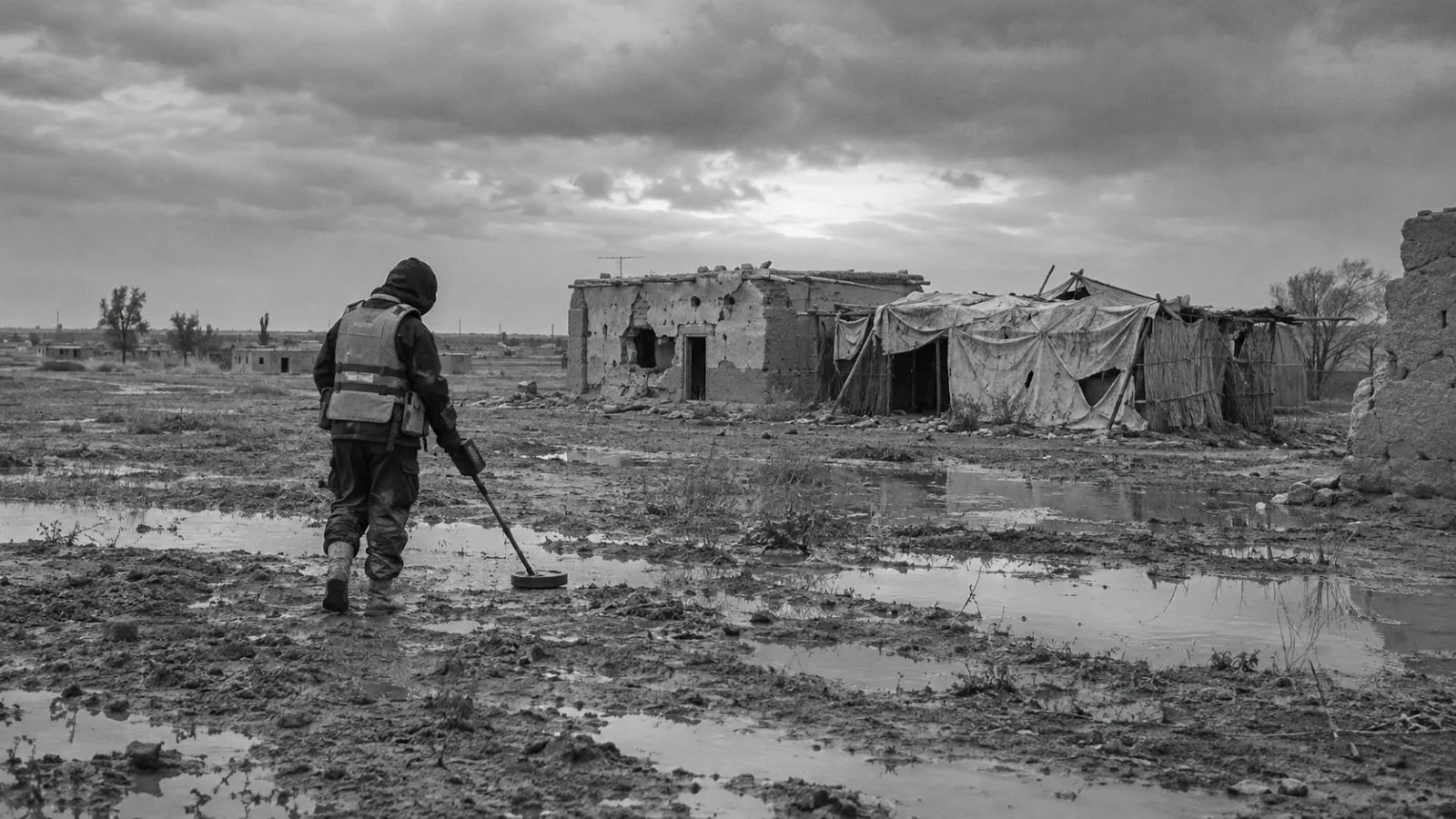
Yahya said at least 30 people had been killed by explosive ordnance since the Security Council met the previous month, including 19 children. More than 80 others were injured, among them 35 children. During the first six months of 2026, partners cleared explosive contamination across more than 700,000 square meters of land. Floodwaters have also carried ordnance into locations previously viewed as safer.
The United Nations Children’s Fund (UNICEF) recorded 22 children killed and 49 injured by ordnance from July through September 2026, a total of 71 child casualties. UNICEF said incidents clustered near fields and grazing grounds as households sought to rebuild livelihoods. Its third-quarter report also put Syria’s internally displaced population above 5 million and said returns were straining health, education, protection and water services.
Yahya estimated that 2.4 million people would need additional assistance this winter. A plan targeting more than 970,000 people facing the highest risks had received 40% of its funding at the briefing. The UN also reported nearly 200,000 people who had been displaced or returned were staying in shelters with damage.
Food support has contracted as well. The World Food Programme said funding shortages in May 2026 reduced its emergency food caseload to 650,000 people from 1.3 million. It also ended its nationwide bread subsidy.
A separate public-health campaign followed the detection of poliovirus type 1 in two children in Deir-ez-Zor who developed paralysis, according to a joint release from Syria’s Ministry of Health, the World Health Organization and UNICEF. A second vaccination round launched Nov. 15 aimed to reach more than 49,000 children under five; the October round reached more than 34,000.
Yahya said, “The opportunity is real,” and called for more investment and immediate action.