


 Gold Rebounds as Oil Falls and Treasury Rout Eases
  Asian Stocks Fall as Oil Surge, Bond Yields and AI Concerns Hit Markets
  Nvidia China Chip Sales Report Sends Chinese Semiconductor Stocks Lower
  RBA Hikes Interest Rate to 4.60% as Inflation Risks Rise
  Fed’s Hammack Says Bond Yield Surge Is Not Driven by Inflation Fears
  US Dollar Hits Two-Month High as Aussie, Pound Slide
  U.S. Stock Futures Fall as Iran, Oil and AI Risks Rattle Markets
  Asian Chip Stocks Tumble as OpenAI Safety Pause Sparks AI Growth Concerns
  Fed’s Williams Signals One More Rate Hike Before Year-End
  Asian Stocks Fall as Bond Yields and Oil Prices Surge
  Yen Sinks as BOJ Rate Hike Fails to Impress Markets
  XRP Price Targets $1.70 as Bullish Momentum Builds
  US Stocks Slip as Treasury Yields Ease, AI Trade Rebounds
  US Alcohol Ban Exposes Canada’s Internal Trade Barriers
  RBA Set for September Rate Hike as Inflation Stays High
  BOJ Set to Raise Rates to 1.25% as Inflation Risks Build
  BlackRock’s Rick Rieder Favors Bonds Over Stocks as Treasury Yields Surge


 Add as a preferred source on Google
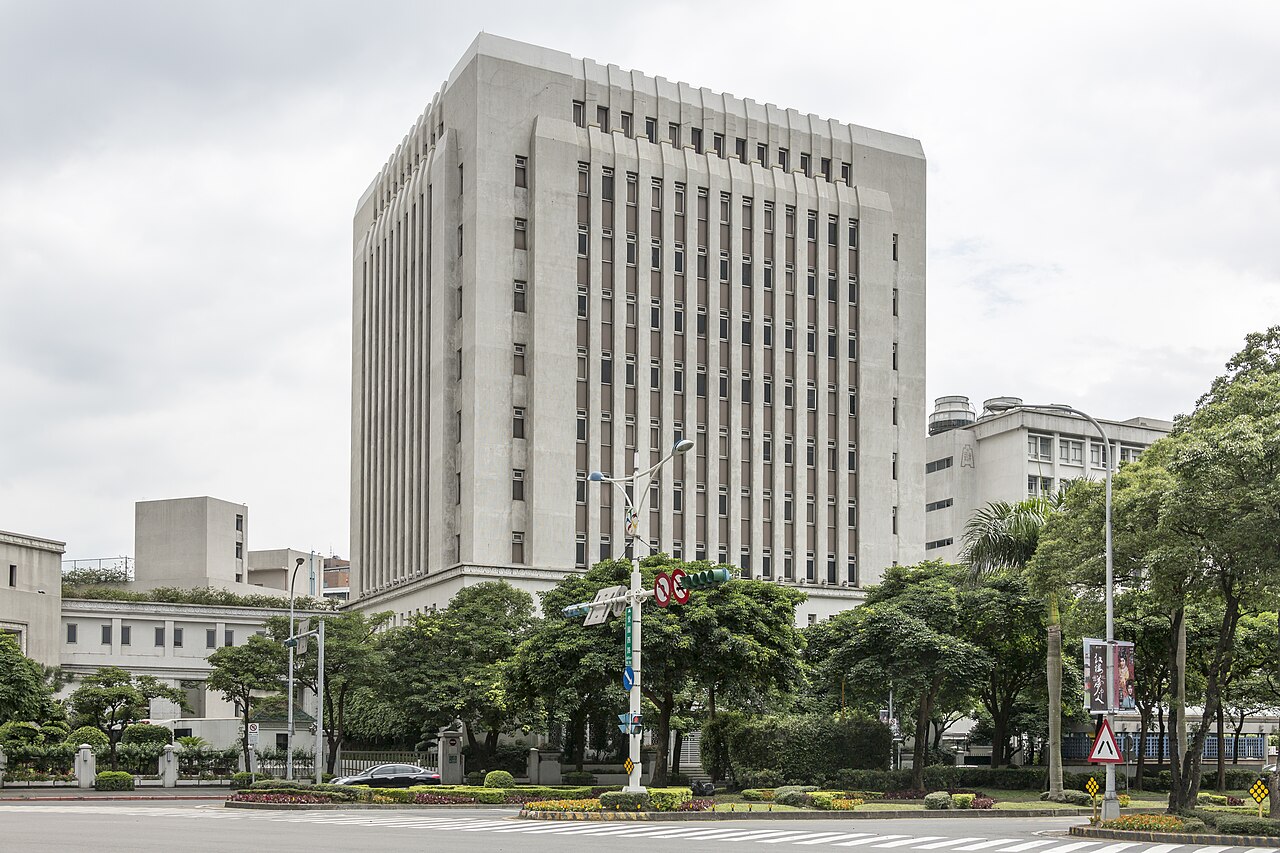
Taiwan's central bank is widely anticipated to keep its benchmark discount rate unchanged at 2% during its quarterly meeting this Thursday, with economists projecting this stance will remain in place well into 2027. A Reuters poll of 29 economists confirmed unanimous agreement on the rate hold, reflecting confidence in Taiwan's strong economic momentum.
The last rate adjustment came in March 2024, when the central bank raised the benchmark by 0.125 percentage points from 1.875% to prepare for rising electricity costs. Since then, policymakers have maintained a steady approach, most recently reaffirming the 2% rate in December.
A major driver behind Taiwan's economic resilience is the global artificial intelligence boom. As home to TSMC — the world's largest contract chipmaker — Taiwan has seen surging demand for semiconductors fuel remarkable growth. The economy expanded by 8.68% in 2025, its fastest pace in 15 years, and is forecast to grow another 7.7% this year, according to the government's statistics agency. Analysts note no visible slowdown heading into the first quarter of 2026.
Inflation remains largely under control, with Taiwan's consumer price index rising 1.75% in February — slightly above forecasts of 1.5%, but still marking the tenth consecutive month below the central bank's 2% warning threshold.
Despite the positive outlook, some risks remain on the horizon. Ongoing conflict in the Middle East could push global energy prices higher, potentially creating stagflationary pressures that complicate monetary policy decisions. Analysts caution that if energy costs climb sharply, Taiwan's otherwise favorable inflation environment could shift.
On Thursday, alongside the rate decision, the central bank is also expected to release updated economic growth and inflation projections for 2026, offering further guidance on Taiwan's monetary policy direction in the months ahead.







