


 Trump Warns Houthis Over Attacks, Considers Erdogan Intervention
  Djibouti Migrant Boat Capsizes, Killing 139 and Leaving 84 Missing
  Trump Denies Russia and China Are Helping Iran in U.S. Conflict
  US Recalls Nicaragua Envoy After Ambassador Rejection
  Mahmoud Abbas Postpones Palestinian Elections to September 2027
  Jordan Bardella Antisemitism Allegations Threaten Le Pen’s Campaign
  MI5 Warns of Rising Iran, Russia Threats and AI Bioweapon Risks
  Flavio Bolsonaro Backs Brazil’s 40-Hour Workweek Reform Ahead of Runoff
  Greenland Lawmakers Back Trump Security Deal Despite Economic Concerns
  Pakistan Declares Emergency in Khyber Pakhtunkhwa, Suspends Imran Khan’s PTI Government
  European Auto Stocks Rise as EU-China Trade Deal Targets Hybrid Imports
  Trump Sanctions International Criminal Court, Sparking EU Backlash
  US Senate Midterms 2026: Key Races That Could Flip Control
  US Condemns China Sanctions on Taiwan Allies Belize and Paraguay
  North Korea Fires Ballistic Missiles as Tensions With South Korea Escalate
  Zelenskiy Seeks New US Talks to Revive Ukraine-Russia Peace Negotiations


 Add as a preferred source on Google
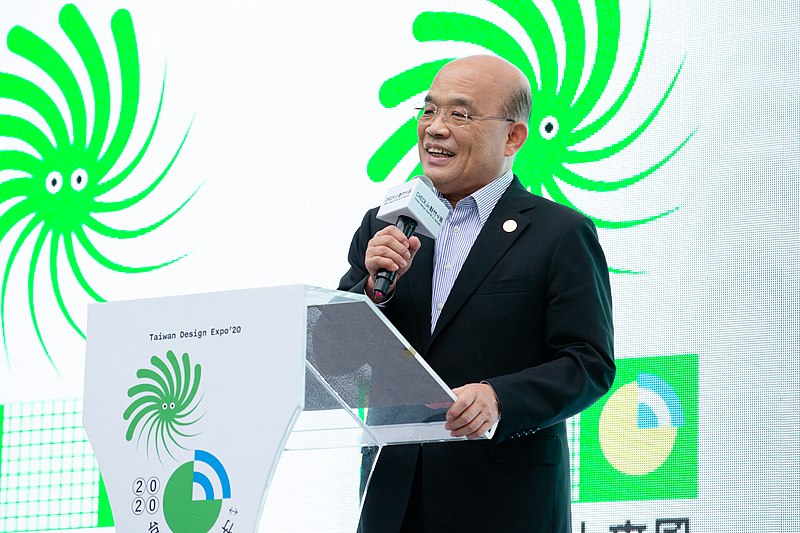
Tensions remain high between China and Taiwan, with Beijing claiming the democratically-governed island as part of its territory. Taiwanese premier Su Tseng-chang said the island remains willing to engage with China on goodwill.
Speaking with reporters, Su said Taiwan is always willing to engage with China in good faith, but without any political preconditions and on an equal basis. Su’s comments follow reports that China banned the import of grouper fish from Taiwan, citing safety reasons. Taipei said the ban was politically motivated.
“As long as there is equality, reciprocity, and no political preconditions, we are willing to engage in goodwill with China,” said Su, reiterating the stance made by President Tsai Ing-wen.
“As for China’s harassment of Taiwan with military aircraft, warships, unreasonable suppression, and political actions, the one being most unreasonable is China,” said Su. “Taiwan does not want to close the door to China. It is China that has used various means to oppress and treat Taiwan unreasonably.”
Beijing has been engaging in a pressure campaign to get the Taiwanese government to accept its sovereignty and has opposed every visit by a foreign government to the island.
China’s defense minister also said during a security forum in Singapore over the weekend that Beijing is seeking “peaceful reunification” with the island but “reserved other options.”
Tsai has repeatedly said the Taiwanese people are the ones who can decide on the island nation’s future, and the government of President Xi Jinping has refused to speak to her. The Taiwanese people have also shown they have no desire to be governed by an autocratic government like China’s.
Tsai said Friday last week that Taiwan will not yield to pressure from China in her address to the Copenhagen Democracy Summit.
Tsai also referenced Russia’s invasion of Ukraine in her speech, saying that the war has shown again that “these regimes” will not stop until they achieve their expansionist goals.
“As we watch images from half a world away of atrocities committed against another democracy on the frontlines of authoritarian expansionism, I would like to stress that, like Ukraine, Taiwan will not bend to pressure,” said Tsai in her address, stressing that the island will defend itself and its democracy.







