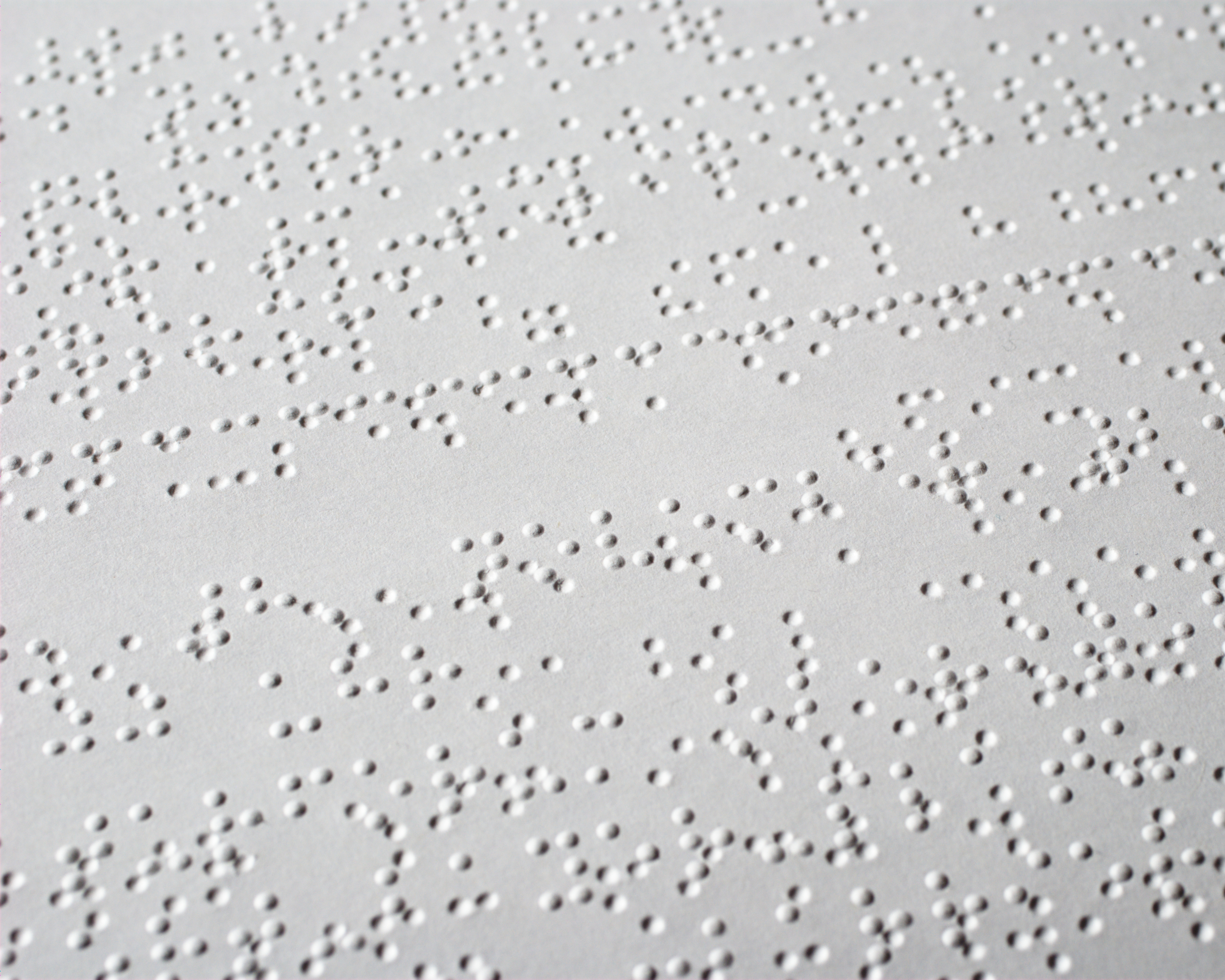
Thanks to advancements in science and technology, blind people can now use computers and the internet through braille display systems. Recently, it was revealed that several tech companies have worked together to provide these users with an even better system to improve their experience. The result is a universal standard for Braille displays, which can have a huge ripple effect for the blind.
While blind people can technically use technology to see, they need to get different hardware and put them all together just to be able to do so, Gizmodo reports. By establishing a single universal system that caters to Braille users, the blind will have much better and easier access to the option than they did in the past.
This is exactly what companies like Apple, Microsoft and Google were trying to achieve when they collaborated with the USB Implementers Forum (USB-IF). The result is the Human Interface Device (HID) standard for Braille, according to its announcement, which can make it easier to accommodate or feature Braille in the different operating systems and devices available.
What this basically means is that blind users might soon be able to read on practically any device at any time they want, The Verge notes. It’s similar to how other users are able to access files or other features via USB devices that they can bring with them anywhere.
The implementation of this new standard might start yielding results as early as next year, although it is worth pointing out that perfecting the new setup might take a bit longer. Still, this provides hope to blind users, who have historically been left by the wayside with regards to technological advancements. This has led to many of them being subjected to additional social disadvantages on top of the physical impairments that they already have.