


 Trump Buys Up to $25M in Meta Stock, Invests in SpaceX Debt
  Apple Cuts iPhone 18 Pro Production Orders Amid Weak Demand
  Elon Musk Accuses Indian Telecom Giants of Blocking Starlink Launch
  Anthropic Launches Claude Dashboards and Motion AI Tools
  Yandex Data Center Hit by Drone Strike as Russia-Ukraine Cyber Infrastructure Attacks Escalate
  Samsung Q3 Profit Hits Record High on AI Memory Demand
  Solidigm Taps Goldman, Morgan Stanley for $10 Billion US IPO
  OpenAI Annualized Revenue Hits $50 Billion, Below Earlier Estimates
  Robinhood Chain Eyes Priority Gas Auctions for Faster Trades
  Amazon in Talks to Acquire AI Startup Decart for $7 Billion
  Broadcom, Oracle and SpaceX Seek Billions in Private Debt for AI Expansion
  Apple Supplier Luxshare Sees Limited Impact From US Patent Probe
  OpenAI Revenue Hits $50 Billion, Below Earlier $70 Billion Estimate
  Elon Musk Eyes Semiconductor Manufacturing Expansion With $15 Billion Terrafab Project


 Add as a preferred source on Google
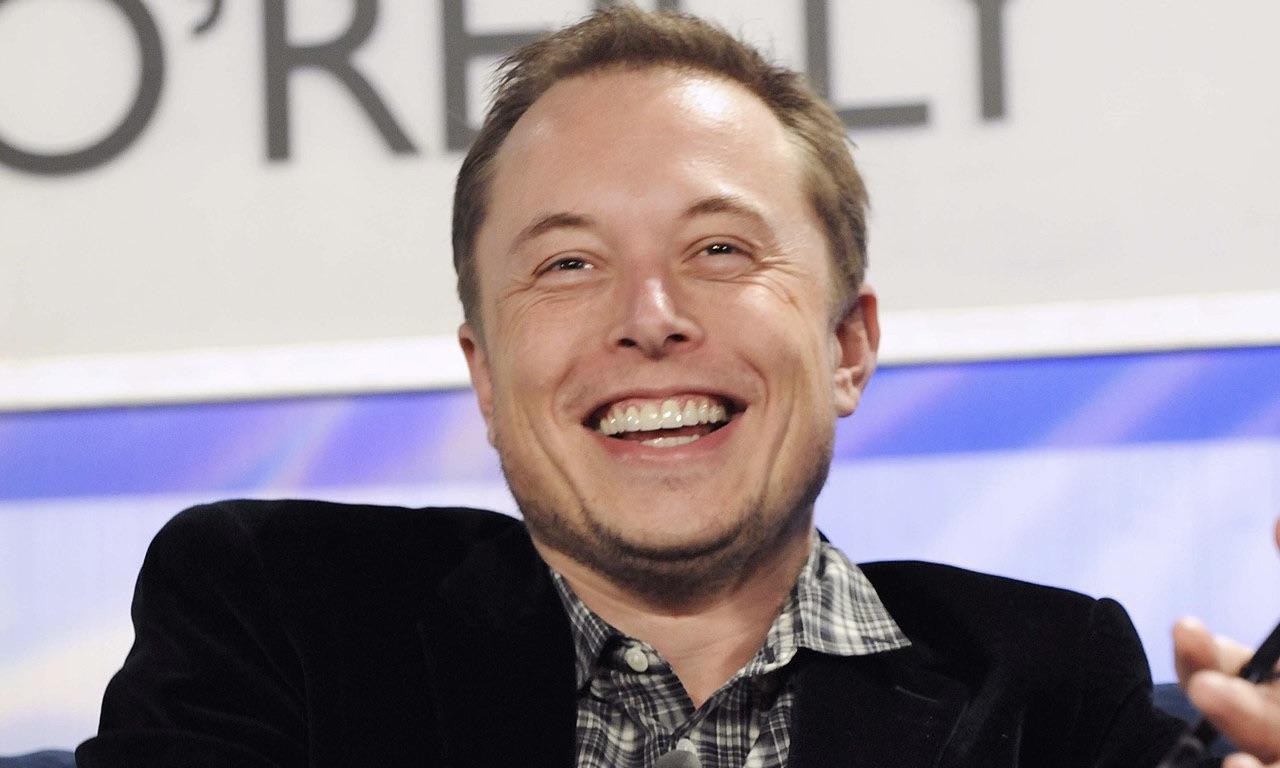
Tesla CEO Elon Musk has reversed his stance on China tariffs, criticizing them for distorting the market and advocating for free trade during the Viva Technology Conference.
Elon Musk Criticizes Biden's Tariff Program, Advocates for Free Trade at Paris Conference
Elon Musk, the influential CEO of Tesla, significantly shifted his stance on China tariffs during a recent conference. According to Teslarati, this change of heart, which he had previously advocated for in January, has sparked considerable interest and discussion in the business and economic circles.
Amidst these changes, Elon Musk has voiced his concerns about the Biden Administration's tariff program. His view that such restrictions on a foreign nation's business operations could be detrimental to the market adds to the current uncertainty in international trade.
Musk elaborated on his ideas during the Viva Technology Conference in Paris:
"Neither Tesla nor I asked for these tariffs; in fact, I was surprised when they were announced. Things that inhibit freedom of exchange or distort the market are not good. Tesla competes quite well in the market in China with no tariffs and no deferential support. I'm in favor of no tariffs." Musk's change of stance can be attributed to his belief in free trade and his confidence in Tesla's ability to compete in the Chinese market without the need for protective measures.
This marks a stark contrast to Musk's previous position in January, where he advocated for protective barriers to shield domestic firms:
“If there are no trade barriers established, they will pretty much demolish most other car companies in the world.”
New Tariff Program by Biden Administration Sparks Concerns Over Impact on Automotive Industry
The Biden Administration's introduction of a new tariff program in mid-May, particularly the 100 percent rate on electric vehicles (EVs), has raised concerns about its potential impact on various sectors, including the automotive industry.
The Washington Post said in its report of the tariffs that the program would impact $18 billion in Chinese products and was being done "to protect American workers and businesses."
Musk has previously discussed tariff programs between the United States and China. In April 2018, he stated that China's intention to reduce import tariffs was a "critical step" that would help prevent "a trade war." This indicates his support for measures that promote international trade and his concern about the potential adverse effects of trade disputes on Tesla and the market.
In 2020, the Trump administration intended to implement tariffs on auto parts; Tesla filed a lawsuit challenging this proposal.
Photo: JD Lasica from Pleasanton, CA, US, CC BY 2.0, via Wikimedia Commons








.jpg)