


 Moonshot AI Executives Seek Settlement Ahead of Hong Kong IPO
  Amazon Cuts More Jobs as AI Investment Expands
  Apple Names Steve Smith M&A Chief in Leadership Shakeup
  US Suspends Microsoft, Adobe From Green Card Program
  Trump Buys Up to $25M in Meta Stock, Invests in SpaceX Debt
  Meta Launches Muse Wonder AI Models, Shares Rise 3.7%
  Apple Cuts iPhone 18 Pro Production Orders Amid Weak Demand
  Elon Musk Eyes Semiconductor Manufacturing Expansion With $15 Billion Terrafab Project
  Zcash Plans Quantum-Resistant Security Upgrade for January
  Nvidia’s China AI Chip Market Share Falls to 34% as Huawei Gains Ground
  Epic Games Delays Disney Shooter, Shifts to AI-First Development
  Elon Musk Accuses Indian Telecom Giants of Blocking Starlink Launch
  OpenAI Annualized Revenue Hits $50 Billion, Below Earlier Estimates
  Amazon in Talks to Acquire AI Startup Decart for $7 Billion
  Samsung, SK Hynix Shares Fall as China's CXMT Advances DRAM Technology
  Yandex Data Center Hit by Drone Strike as Russia-Ukraine Cyber Infrastructure Attacks Escalate
  Robinhood Chain Eyes Priority Gas Auctions for Faster Trades


 Add as a preferred source on Google
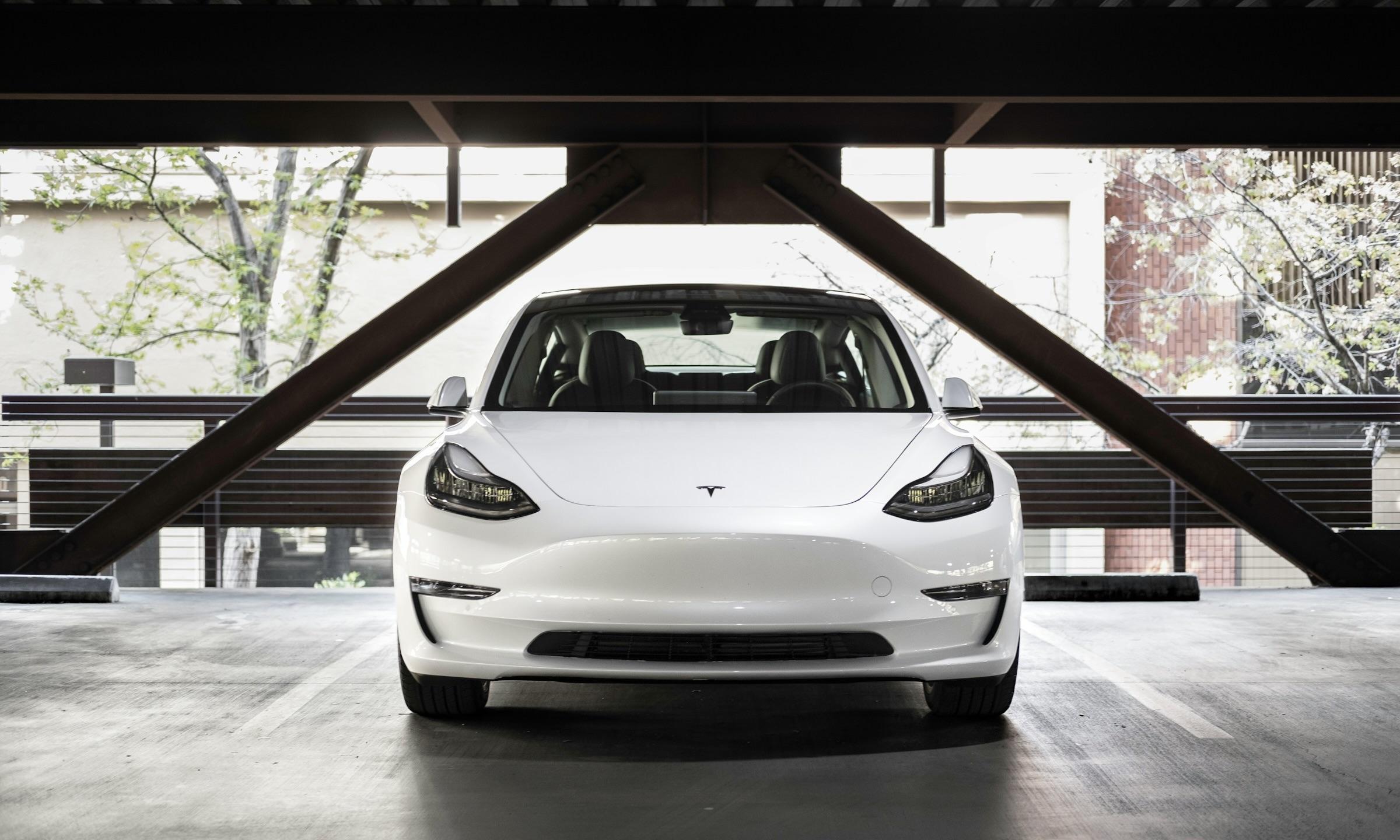
Tesla is reportedly expanding its battery production facility in Nevada with equipment from China.
Tesla Found a Way to Use LFP Batteries and Qualify for Full EV Tax Credit
According to Automotive News' unidentified sources, the Texas-based automaker would buy idle machinery from China's Contemporary Amperex Technology Limited (CATL), a lithium-iron-phosphate (LFP) battery manufacturer.
LFP batteries are claimed to be long-lasting and provide increased range, but most importantly, they are less expensive to manufacture. However, purchasing LFPs from CATL disqualifies you from the federal EV tax credit under the 2024 Inflation Reduction Act (IRA) standards, which is why the upgraded Model 3 HIghland is ineligible for the $7,500 EV tax credit.
If the claim is correct, this latest advancement could enable Tesla to manufacture LFPs in the United States while also controlling the supply of raw materials.
Unlike Ford's contract for its battery facility in Michigan, which licensed CATL technology, the unnamed sources stated that Tesla would have complete control over the facility and prices, with CATL personnel merely assisting in the machinery setup.
Tesla's Tax Credit Prospects Amid IRA's Evolving EV Rules
To recall, one of the new IRA rules for this year stipulated that qualified EVs should "not contain any battery components that are manufactured or assembled by a foreign entity of concern (FEOC)."
This will be more stringent in 2025, requiring EVs to "not contain any critical minerals that were extracted, processed, or recycled by a FEOC" in order to qualify. However, none of the restrictions ban the use of equipment obtained from a FEOC.
The IRA defines FEOCs as the People's Republic of China (PRC), the Russian Federation, the Democratic People's Republic of North Korea, and the Islamic Republic of Iran, as per Carbuzz.
With Tesla producing LFPs domestically, the limits could be lifted, allowing LFP-equipped Teslas to qualify for the federal tax credit. As of this writing, the only Teslas that qualify for full credit are the Model Y (Rear-Wheel Drive, All-Wheel Drive, and Performance) and Model X (Long Range).
According to the sources, the new facility will not be operational until 2025 and will start with a limited output of roughly 10 GWh, which will be increased if the project goes well and the supply chain is formed. It will also apparently cover 20% of Tesla's North American battery output, including the company's Megapack-producing facility in California.
Photo: Charlie Deets/Unsplash







