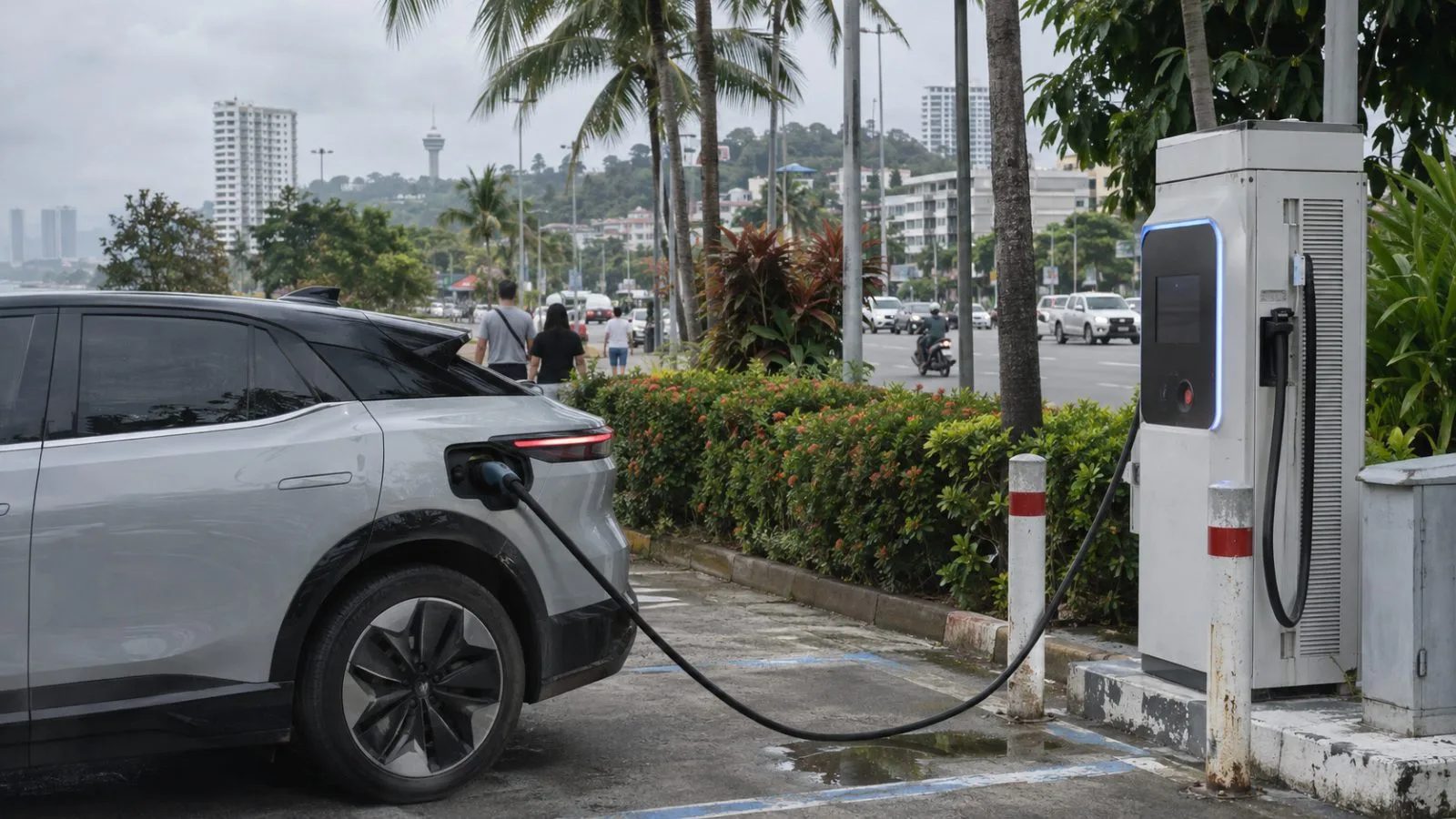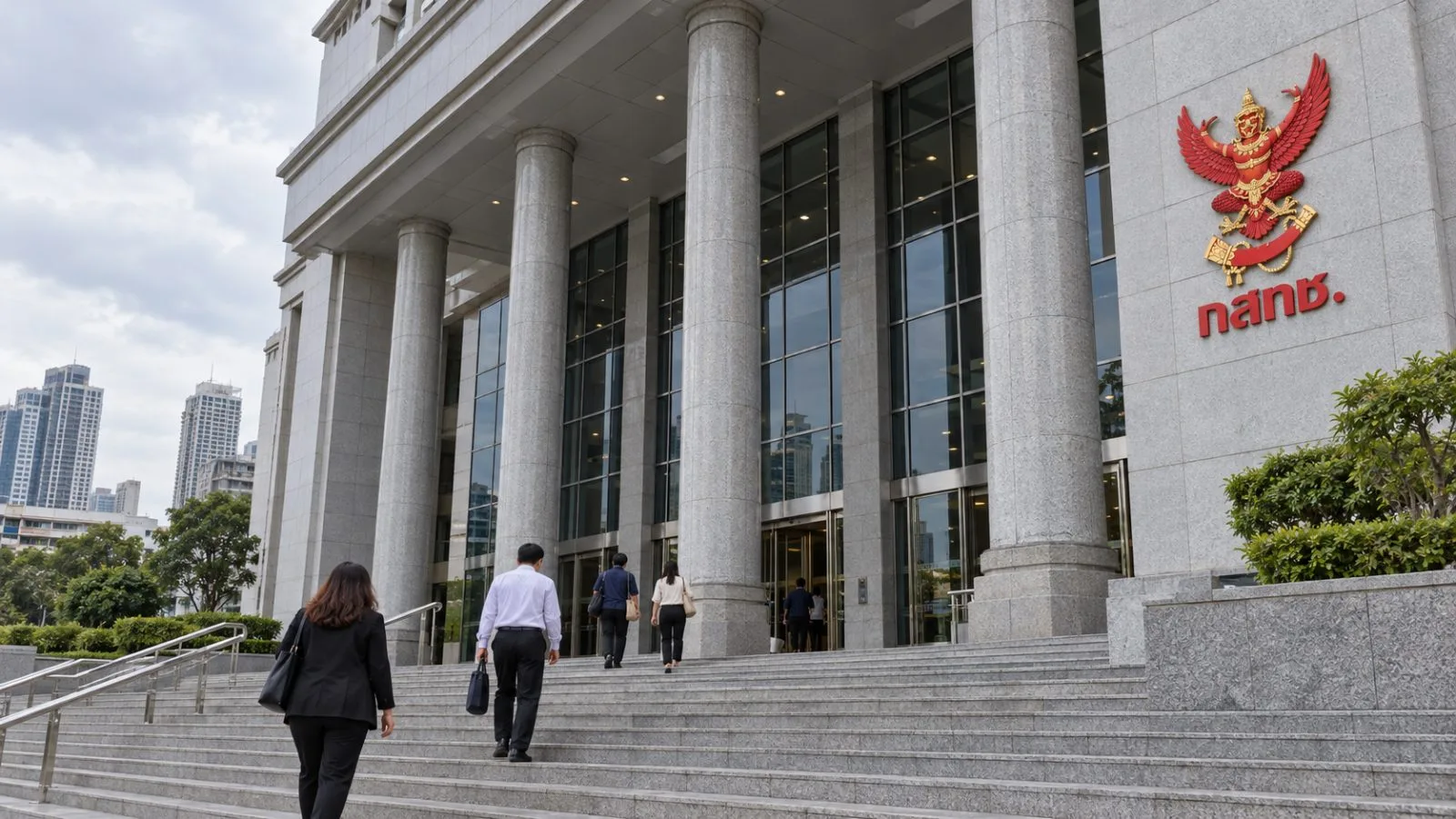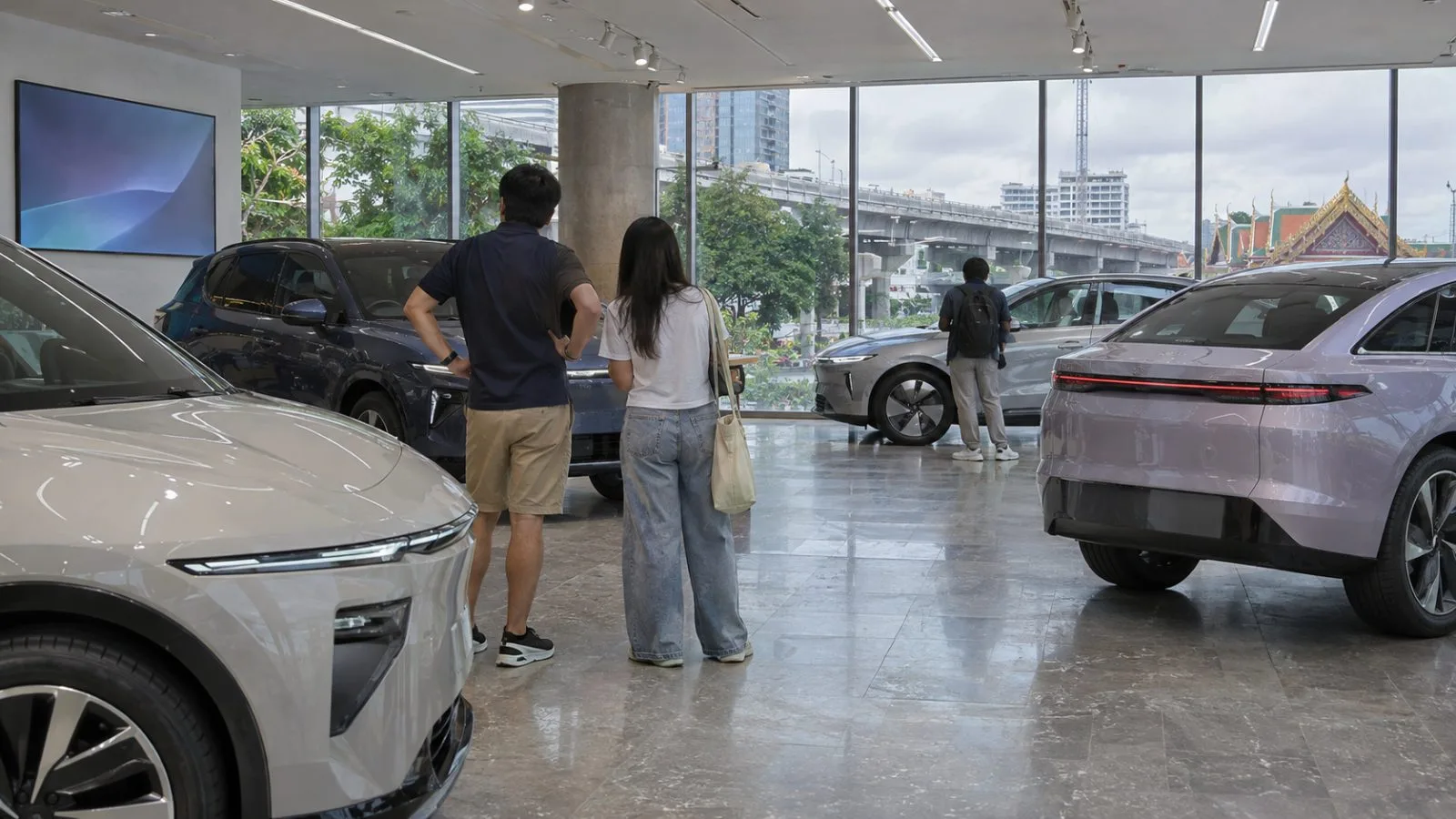
Thailand is using a higher excise tax on imported electric vehicles to encourage local production of key components, Finance Minister Ekniti Nitithanprapas said during a visit to Japan.
The rate for battery-electric vehicles (BEVs) will rise from 10%, while the rate for range-extended electric vehicles (REEVs) will move from 15%; both will reach 35% on Jan. 1, 2027. The schedule applies to fully imported models in both categories.
Thailand’s Cabinet approved the start date, which EconoTimes covered in its earlier account of Thailand’s EV excise schedule.
Ekniti said the policy is intended to bring capital into Thailand, regardless of where investors come from. He said that investment could support factory development and local supplier networks, as well as jobs. He described the measure as an incentive to invest rather than a restriction on vehicles based on their country of origin.
The tax conditions depend in part on companies’ activity in Thailand. Ekniti said businesses with manufacturing bases and economic activity there would receive more favorable terms. Vehicles imported by companies without domestic manufacturing investment would face higher rates.
Thailand is also seeking companies to establish production facilities for electronic components, sensors and automotive microcontrollers. Ekniti said the country wants to shift its auto industry beyond a manufacturing base focused mainly on engines and mechanical parts as the sector moves toward newer technologies. The Bangkok Post reported that he linked local component production to a larger role for Thai businesses in global automotive supply chains.
Ekniti said Japanese government and private-sector representatives had responded positively to the tax adjustment, according to the Bangkok Post. He said Thailand aims to balance open trade with investment protection and comply with global trade rules and World Trade Organization principles. He also said discussions remain open with automakers from Japan, China, Europe and South Korea, with Thailand’s Board of Investment playing a central role in attracting capital under the government’s investment-led growth strategy.
The Nation reported that Thai officials were expected to explain the policy to automakers at an investment roadshow in Japan scheduled for Nov. 18-20.