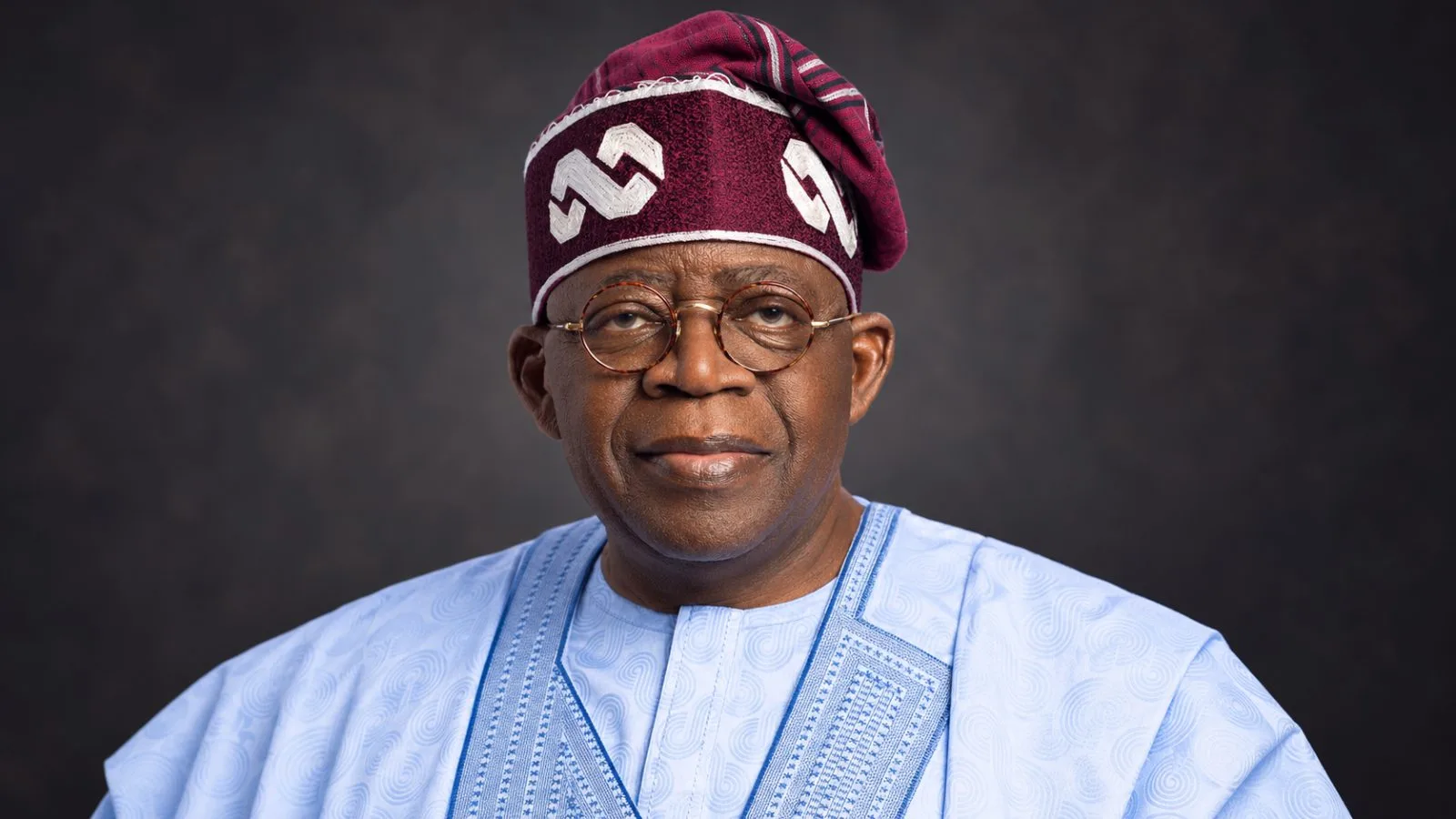
Reuters and the Associated Press reported that President Bola Ahmed Tinubu blamed political opponents for hunger and poverty, while former Vice President Atiku Abubakar’s campaign accused him of evading responsibility.
The All Progressives Congress (APC) formally opened its 2027 campaign at a Kaduna rally on Oct. 24, the Associated Press and Voice of Nigeria reported. Reuters and the AP said Tinubu assigned responsibility for hunger and poverty to political opponents and described his government as working to end those conditions. Reuters quoted Tinubu saying, “They created the hunger. They created the poverty.” The outlets also reported that he characterized the petrol subsidy’s removal as a decision already made. EconoTimes previously covered Tinubu’s Kaduna campaign launch and economic-recovery pledge.
Phrank Shaibu, a spokesperson for Atiku’s campaign, challenged Tinubu’s account. Reuters reported that Shaibu accused the president of avoiding responsibility and quoted him describing Tinubu’s remarks as “either delusion or a staggering case of political amnesia.” Channels Television reported that Shaibu issued the response in a statement.
The World Bank’s April 2026 Nigeria Development Update projected the national poverty rate at 63% for 2026. It based the estimate on household survey information and revised consumer price index estimates, rather than a new survey conducted in 2026. The bank said faster poverty reduction would require lower inflation and growth reaching more parts of the economy.
Tinubu backed ending the petrol subsidy in his May 29, 2023, inaugural address, published by Nigeria’s State House. He said savings from the change would support infrastructure, education, health care and employment. In an Oct. 1 Independence Day address, he named easing living costs as a priority and noted pressures on families from food, schooling, medical care and transport expenses.