Microtubules stabilized with the cancer drug paclitaxel can still develop defects and collapse, researchers at Kanazawa University reported Oct. 22. Their observations suggest that breakdown can start within a microtubule’s wall, rather than only at its ends.
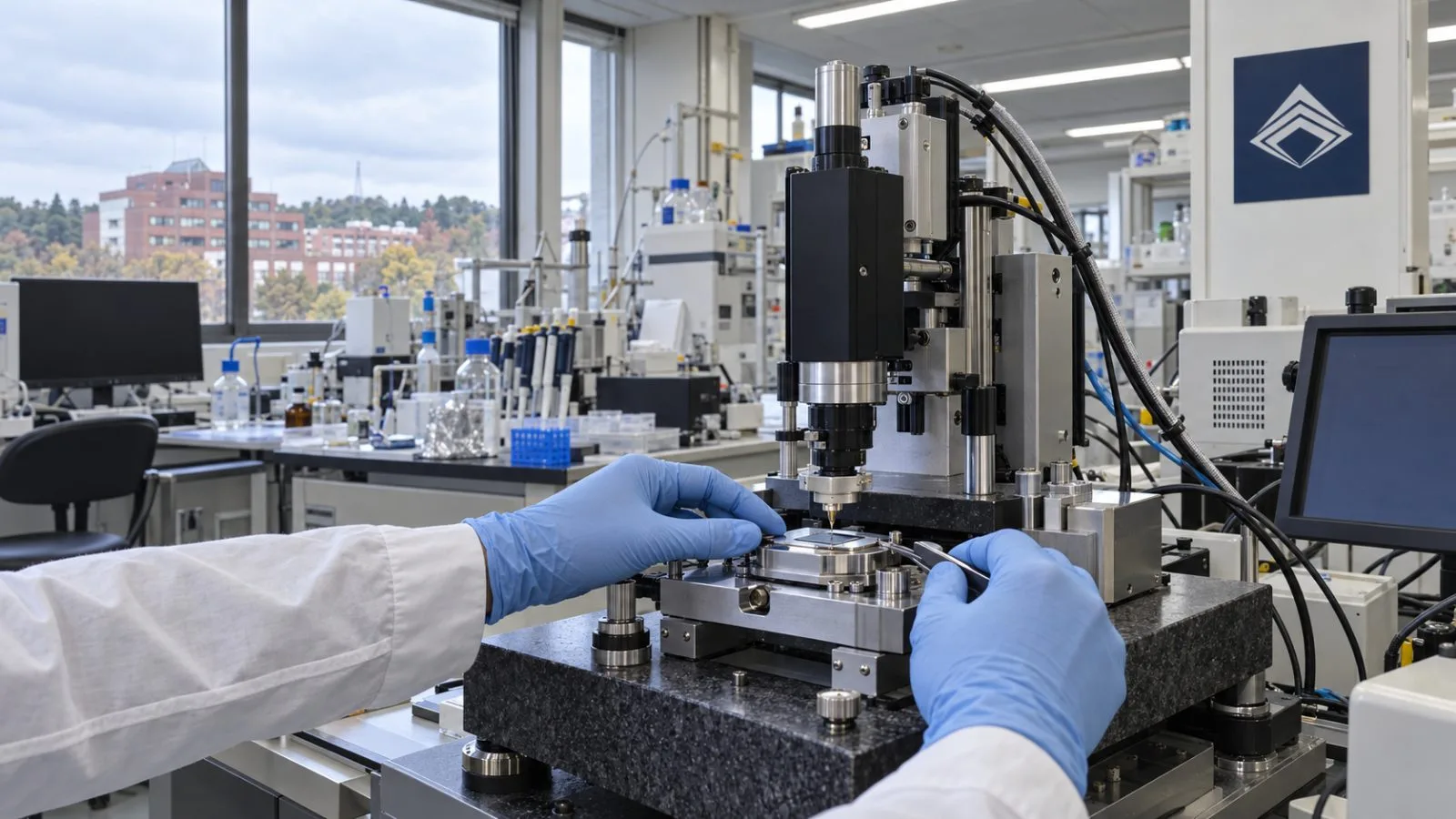
The team, led by Richard W. Wong at the university’s Nano Life Science Institute, assembled microtubules from purified tubulin proteins and stabilized them with paclitaxel. Using high-speed atomic force microscopy, the researchers tracked the structures over time.
The researchers saw small defects appear in sections of the wall that initially looked intact. Several defects first appeared as indentations only a few nanometers wide, then expanded into larger breaks. Some were followed by microtubule collapse despite the drug’s stabilizing effect.
Microtubules are hollow structures made of tubulin proteins. They help maintain cell shape, transport materials and separate chromosomes during cell division. They also constantly grow and shrink, and can suddenly switch to rapid shortening, a process called catastrophe. The conventional explanation has focused largely on changes at microtubule ends, including the loss of a stabilizing structure called the GTP cap.
Doctors use paclitaxel, sold as Taxol, to treat cancers including breast and ovarian cancer; the drug stabilizes microtubules. Kanazawa University said the findings could offer insight into why cancer cells do not all respond equally to the drug. The described experiment used purified proteins, however, and does not establish whether the same defect-driven failures occur in tumors or alter treatment outcomes.
The study was published in ACS Nano.