The U.S. military has no plans to deploy federal troops or National Guard personnel to polling locations during the November 2026 midterm elections, according to General Dan Caine, chairman of the Joint Chiefs of Staff.
Caine outlined the military’s position in a letter to Democratic Senator Elissa Slotkin of Michigan, emphasizing that state and local authorities remain responsible for administering elections and maintaining security. Reuters obtained the letter, which an official said was received on August 28.
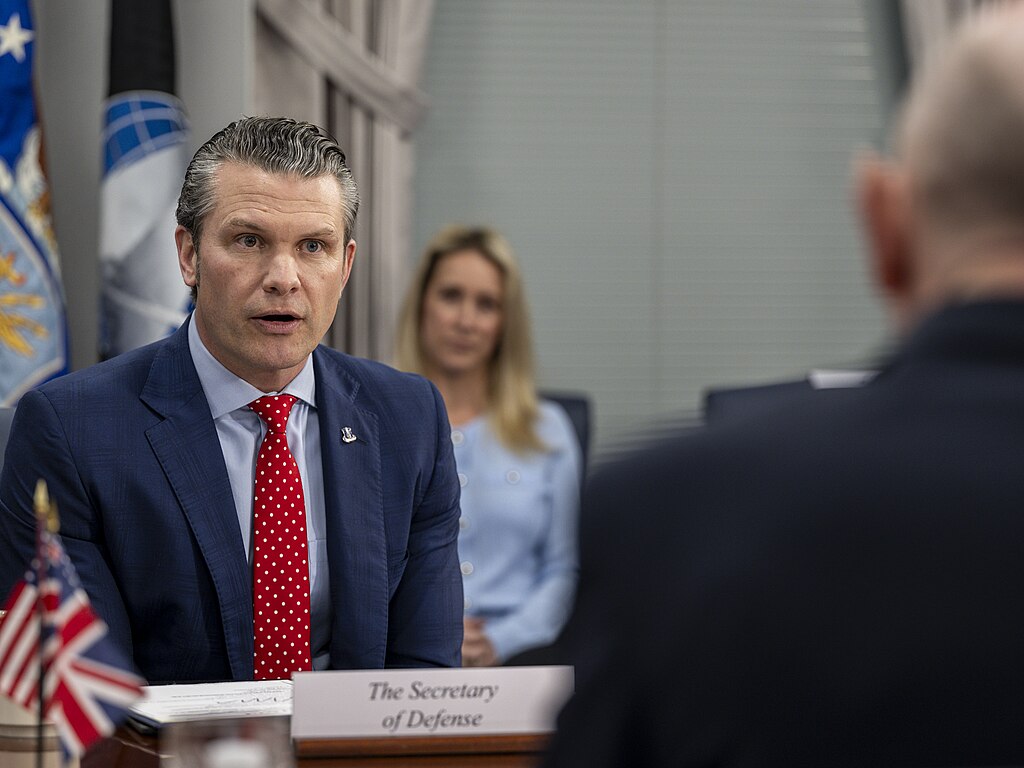
Slotkin had requested assurances from senior U.S. military officials, including Defense Secretary Pete Hegseth, that President Donald Trump’s administration would not use the armed forces to interfere with the upcoming elections.
Caine said there are currently no plans to send military personnel to polling stations or to take possession of ballots, voting machines or other election-related materials.
“I have neither received nor anticipate receiving any unlawful order concerning the role of the Joint Force in the upcoming November 2026 midterm elections,” Caine wrote.
Millions of Americans are expected to cast ballots on November 3 in races for Congress, governorships and local offices across the United States.
The role of federal forces in election security has drawn attention from Democrats, including Slotkin, who have expressed concerns that the Trump administration could deploy troops or other armed federal personnel near voting locations.
Those concerns increased following remarks Trump made in May. Asked whether he might send National Guard troops or Immigration and Customs Enforcement agents to polling places, Trump said he would “do anything necessary to make sure we have honest elections.”
Caine’s response provides a clear statement about the military’s current plans, although it specifically addresses the Joint Force rather than other federal law enforcement agencies.
Federal law generally restricts the use of U.S. military personnel at polling locations or in supervising elections. The limitations reflect longstanding legal and institutional safeguards intended to keep the armed forces separate from the administration of the country’s electoral process.