


 Jameson Lopp Downplays AI Threat to Bitcoin Cryptography
  Ethereum Foundation-Linked Wallets Move $11.13M in ETH to Kraken
  Meta Launches Muse Wonder AI Models, Shares Rise 3.7%
  Orsted to Take Full Ownership of UK Offshore Wind Farm for £15 Million
  Russia Approves Sberbank for Crypto Exchange Services
  Gold Prices Hit One-Week High as Oil Falls, Fed Rate Outlook Weighed
  US Dollar Rises for Fourth Week as Fed Rate Hike Bets Grow
  Gold Prices Rebound as Dollar Weakens Ahead of US Inflation Data
  Apple Supplier Luxshare Faces US Patent Probe, Sees Limited Impact
  Tencent Shares Fall as $5 Billion AI Bond Sale Weighed
  Anthropic Launches Claude Dashboards and Motion AI Tools
  Zcash Plans Quantum-Resistant Security Upgrade for January
  Fed's Hammack Urges Faster Rate Hikes to Fight Inflation
  Coinbase CEO Backs SEC Accredited Investor Reform
  FAA Warns US Airlines Over Saudi Arabia Flight Risks
  US Suspends Microsoft, Adobe From Green Card Program
  European Stocks Rise as Oil Prices Fall Ahead of US CPI


 Add as a preferred source on Google
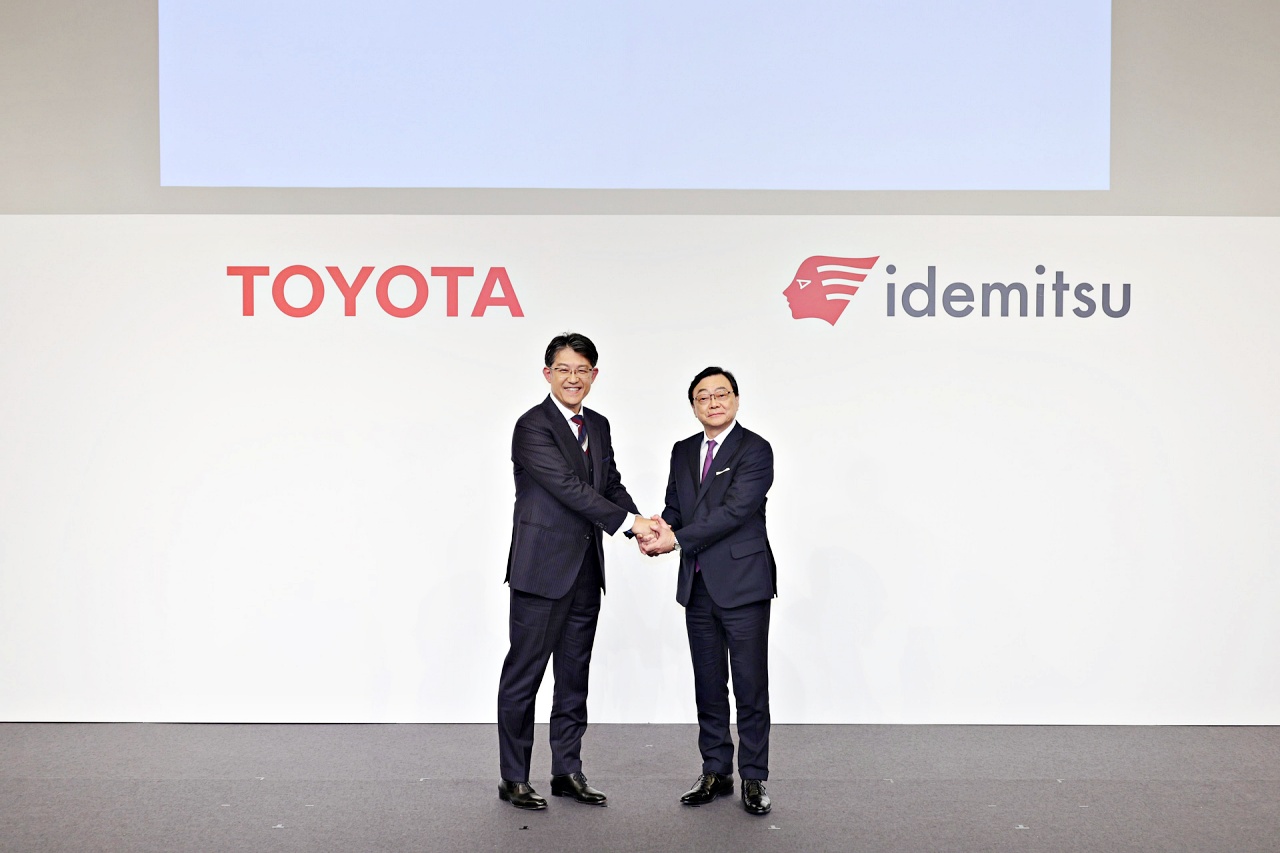
Toyota Motor Corp. and Idemitsu Kosan Company, Ltd have announced a strategic partnership to develop and mass-produce next-generation batteries for electric vehicles, aiming to revolutionize the EV sector.
Kyodo News reported that the deal between Toyota Motor and Idemitsu Kosan is part of the former's efforts to reach its goal of deploying ultramodern batteries for vehicles as early as 2027. For the mass production plan of batteries, the Japanese automaker's target is to start this in 2030.
Hope for EV Innovations
The partnership between the Japanese automobile manufacturer and petroleum firm comes as local competitors in the vehicle sector, such as Honda Motor Co. and Nissan Motor Co., have come rushing to develop all-solid-state batteries. These kinds feature advanced technology that can lead to broader use of EVs.
Currently, most EVs run on lithium-ion batteries, and Toyota and Idemitsu aim to produce something else that will improve driving and lower charging times, especially for long travels. Moreover, the partners plan to develop batteries with more power and reduce the charging time to around 10 minutes.
New Materials for Advanced Batteries
To achieve this, Toyota Motor and Idemitsu will try to use sulfide solid electrolytes. This material is considered necessary to bring off the high-capacity output of EV batteries.
"Idemitsu Kosan and Toyota Motor Corporation have agreed to collaborate on the mass production of solid-state batteries," Toyota Motor Corporation's president and chief executive officer, Koji Sato, said in a press release. "Our two companies will unite their strengths to mass-produce solid-state batteries and to realize innovations originating in Japan. We will create the future of mobility together. With this at heart, we will take on challenges and hope that you will look forward to what we will achieve."
Idemitsu Kosan's president, CEO, and representative director, Shunichi Kito, also commented, "Idemitsu will support Toyota's ability to realize the commercialization of all-solid-state batteries for battery EVs with technological strength through manufacturing and mass-producing the solid electrolytes used in such batteries. Our target for commercialization is 2027 or 2028. It means that the commercialization of solid-state batteries is a thing of the future that is now within reach."
Photo by: Toyota Press Release







