


 Robinhood Chain Eyes Priority Gas Auctions for Faster Trades
  Meta Launches Muse Wonder AI Models, Shares Rise 3.7%
  FAA Warns US Airlines Over Saudi Arabia Flight Risks
  Yandex Data Center Hit by Drone Strike as Russia-Ukraine Cyber Infrastructure Attacks Escalate
  Uber Exits Four African Markets Amid Rising Competition
  OpenAI Revenue Hits $50 Billion, Below Earlier $70 Billion Estimate
  Apple Supplier Luxshare Sees Limited Impact From US Patent Probe
  Amazon in Talks to Acquire AI Startup Decart for $7 Billion
  Syndax Stock Drops 15% After Axatilimab Trial Failure
  Albertsons Seeks $9.3 Billion From Kroger Over Failed Merger
  Elon Musk Donates $366 Million to 2026 US Midterms
  Epic Games Delays Disney Shooter, Shifts to AI-First Development
  Moonshot AI Executives Seek Settlement Ahead of Hong Kong IPO
  Apple Supplier Luxshare Faces US Patent Probe, Sees Limited Impact
  Canton Network Expands in South Korea With Major Partnerships
  Elon Musk Eyes Semiconductor Manufacturing Expansion With $15 Billion Terrafab Project
  Samsung Q3 Profit Hits Record High on AI Memory Demand


 Add as a preferred source on Google
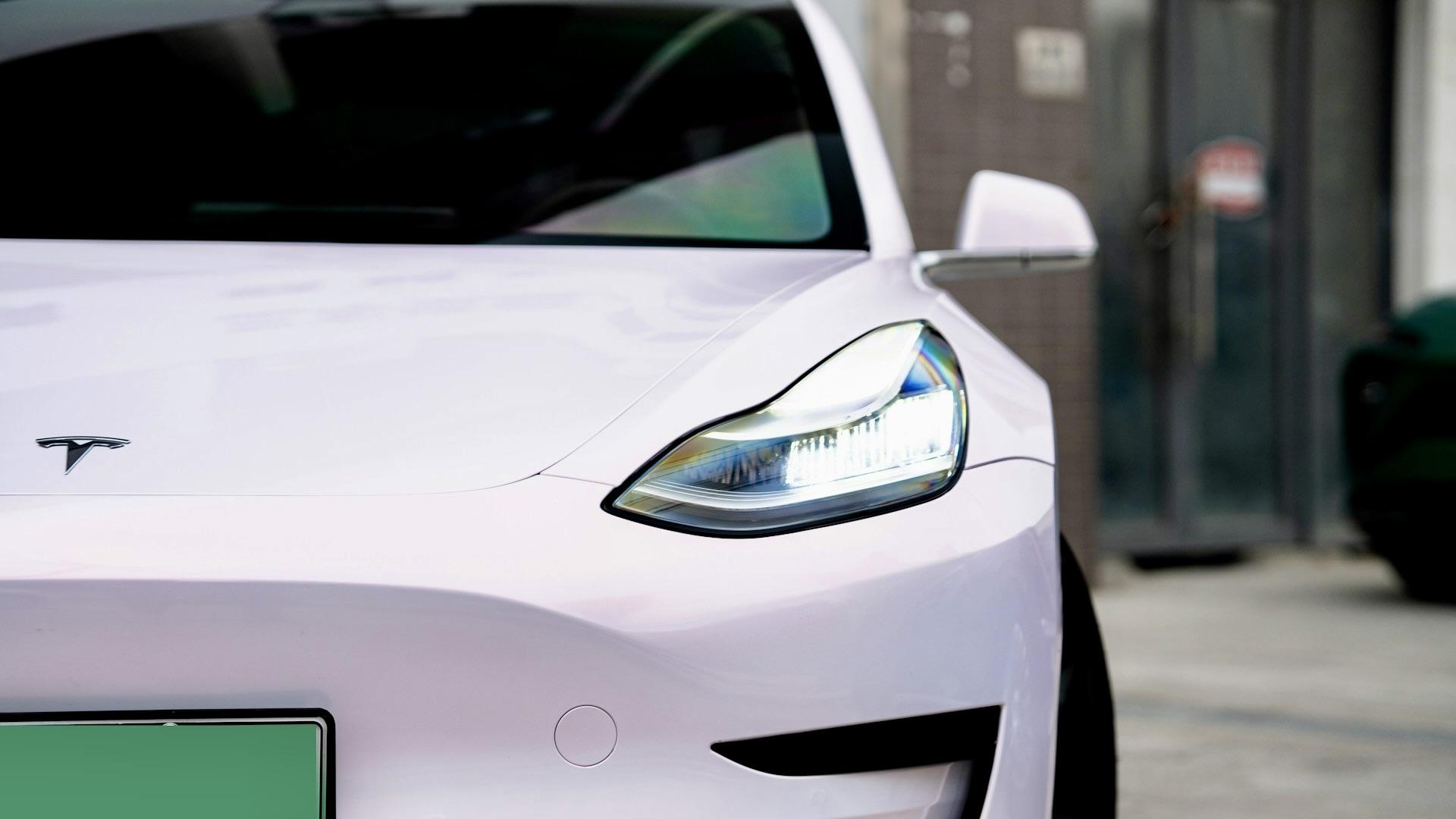
Tesla CEO Elon Musk confirmed the company has scrapped its plan for a $25,000 electric vehicle for human drivers, stating the project is pointless without full autonomy. Tesla now aims to produce the fully autonomous Cybercab by 2026, facing significant technological and regulatory challenges.
Tesla Stock Dips After Report on Scrapped $25K EV Plans
The stock price of Tesla dropped in April after Reuters reported that the firm had canceled plans for a $25,000 next-generation electric vehicle. Elon Musk, CEO, wasted little time responding on his social media network X.
He wrote, "Reuters is lying," but didn't provide any details. A portion of the losses were recouped by Tesla's shares.
Musk Acknowledges Tesla Dropped Affordable EV
Musk seems to have admitted, six months later, that Tesla scrapped its plans for a $25,000 human-driven car. During an earnings call on October 23, he stated that it would be "pointless" to construct the inexpensive EV unless it has complete autonomous capabilities.
His most recent comments were in answer to an investor's question: "When can we expect Tesla to give us the $25,000 non-robotaxi regular car model?"
Just as Musk was about to say, "We're not making a non-robo...", another Tesla official cut him off. Musk later said, “Basically, I think having a regular $25K model is pointless. It would be silly.”
Tesla’s Strategic Shift Toward Autonomous Vehicles
According to a Reuters article from April 5, Tesla is still planning to build a self-driving robotaxi, but they have scrapped their plans for a whole new, inexpensive mass-market electric vehicle. Ever since then, Musk has been very vocal about his intentions to develop robotaxis and driverless cars.
A two-door, two-seat, completely automated vehicle called the "Cybercab" was mentioned by Musk on the October results call as a "$25K car" that Tesla does want to produce. At a Hollywood-style presentation on October 10th, Musk revealed a prototype.
Cybercab Production Scheduled for 2026 Amid Challenges
Following next year's deployment of fully autonomous versions of Tesla's Model 3 and Model Y vehicles in California and Texas, Musk claims production of the Cybercab will begin in 2026.
Full autonomous vehicles are Musk's latest promise, echoing ones from around a decade ago, and the manufacturer faces significant technical, regulatory, and legal hurdles in delivering on them.
Tesla’s Initial Vision for a Mass-Market EV
Up until very recently, a new, inexpensive Tesla for human drivers had been central to Tesla's plan to become the largest automaker in the world. For a long time, Tesla aimed to produce 20 million vehicles annually by 2030. This would be more than 10 times its current sales and nearly double that of Toyota, the current leader in worldwide sales. Tesla removed the $20 million target from its most recent "impact report" on sustainability initiatives in May.
Per MSN, in an earnings call in January of this year, Musk reiterated the intention to launch a brand-new, reasonably priced electric vehicle. Following the first wave of "growth waves" brought about by the 2017 and 2020 releases of the Model 3 and Model Y, respectively, he predicted that the next-generation vehicle will arrive in 2025 and initiate a second big wave.
Market Reaction and Analyst Insights on Tesla’s New Direction
A "Model 2" was the prevalent moniker among investors and Tesla enthusiasts for the upcoming affordable vehicle, which would sit below the Model 3, which starts at $42,490 and is now Tesla's most affordable model.
The new model, according to Musk's January description, calls for "new revolutionary manufacturing technology." However, Musk proposed a strategy for "more affordable" versions that could be made "on the same manufacturing lines" as present-day Teslas in April, following Reuters' story that Tesla had abandoned the Model 2.
Analyst Predictions on Tesla’s Affordability Strategy
A Morningstar Research Services analyst named Seth Goldstein has stated his belief that these more affordable vehicles will be constructed using existing Tesla platforms and will be priced somewhere around $30,000 USD.
“It was my understanding that the original plan was to make the more-affordable vehicle on a new platform,” he told Reuters. “I think Tesla realized they were late to making an affordable vehicle versus their Chinese-EV peers … So, they changed their strategy rather than make a large investment to produce a new vehicle.”
Robotaxi Event and Market Reaction
Musk announced on X that Tesla was planning a "robotaxi unveil" in August, following a Reuters report on April 5 that Tesla had killed the Model 2. Wall Street was unimpressed, and the following day, Tesla shares dropped 9%, due to the event's location on a film set in Los Angeles and its postponement until October.
Investors felt that Musk provided little information about the Cybercab, an autonomous "Robovan" concept, and humanoid robots in his remarks and presentations. Beyond Tesla's existing "Full Self-Driving" function, the automaker has been mum on whether or not the Cybercab would have any additional self-driving technology. Current models still necessitate a human driver to pay close attention since they aren't totally autonomous.
Questions Linger Over Cybercab’s Target Market
It is unclear who the Cybercab is aimed against. An analyst or two who was expecting a robotaxi with greater space for passengers and bags was perplexed by the Cybercab's sports-car appearance and two-door, two-seat arrangement, which is practically nonexistent in the larger U.S. auto market.
On the October earnings call, Musk boasted that the design of the concept car was "optimized for autonomy" and that it would be affordable.
"It will cost … roughly 25K, so it is a 25K car," Musk stated. “It just won't have a steering wheel and pedals.”







