


 Samsung, SK Hynix Shares Plunge as China Chip Competition Grows
  Apple Cuts iPhone 18 Pro Production Orders Amid Weak Demand
  Syndax Stock Drops 15% After Axatilimab Trial Failure
  Bumble Shares Surge 50% on $1 Billion Buyout Talks
  Meta Launches Muse Wonder AI Models, Shares Rise 3.7%
  Interactive Brokers Launches Ethereum Staking With Zerohash
  Coinbase CEO Backs SEC Accredited Investor Reform
  Cardano Price Drops 15% as Whales Sell 110 Million ADA
  Arthur Hayes Announces FLOP Testnet Launch Within Weeks
  XRP Price Drops 3% Despite Ripple-Backed Evernorth Nasdaq Debut
  Tencent Shares Fall as $5 Billion AI Bond Sale Weighed
  Oracle Uses Trucked Natural Gas to Power AI Data Centers Amid Pipeline Delays
  Jameson Lopp Downplays AI Threat to Bitcoin Cryptography
  Moonshot AI Executives Seek Settlement Ahead of Hong Kong IPO
  Canton Network Expands in South Korea With Major Partnerships


 Add as a preferred source on Google
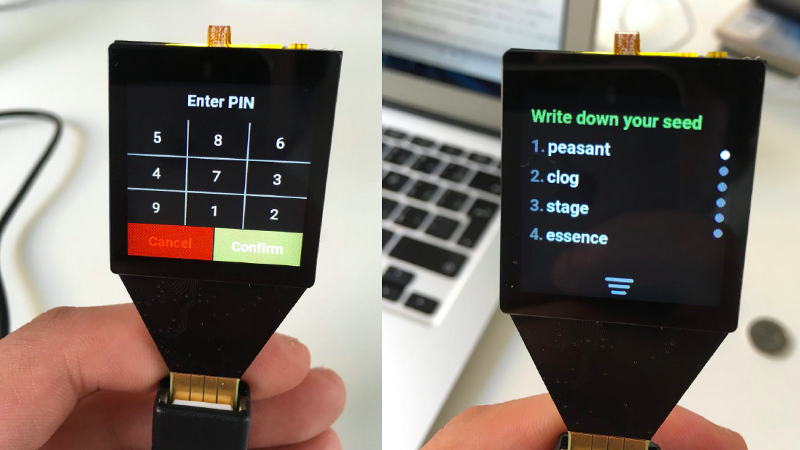
Hardware wallet manufacturer Trezor is reducing its authorized reseller network following a major supply-chain security incident involving rival Ledger, introducing stricter distribution controls to protect cryptocurrency investors from potential attacks.
In a letter to business partners, Trezor Chief Commercial Officer Danny Sanders announced that selected resellers would lose their authorized status effective January 1, 2027. The decision follows reports that compromised Ledger hardware wallets contained malicious implants capable of stealing users' recovery phrases.
Trezor emphasized that the restructuring is a preventive security measure rather than a response to any confirmed vulnerabilities in its own products.
"Let me be very clear: there is not a single piece of evidence that Trezor devices have been compromised," Sanders stated.
The company explained that hardware wallet security extends beyond device design and encryption. Unauthorized access during storage, transportation, or third-party distribution could expose customers to sophisticated supply-chain attacks.
Under the revised reseller agreement, affected partners will be removed from Trezor's official authorized reseller directory beginning January 1, 2027. Although new inventory shipments will stop, these businesses can continue selling existing stock through the Black Friday shopping period and the holiday season.
Trezor evaluated its distribution markets based on revenue performance, logistics capabilities, and existing market coverage. By maintaining a smaller reseller network, the company expects to conduct more comprehensive security inspections and strengthen oversight of device handling.
Sanders clarified that losing authorization does not indicate misconduct or suggest that affected resellers distributed compromised products. Remaining authorized partners will face stricter contractual requirements covering device sourcing, storage, and distribution.
The company has not disclosed how many resellers will be affected.
The announcement follows Ledger's discovery of unauthorized hardware modifications in devices distributed through CryptoBilis, a third-party reseller operating in Southeast Asia.
According to findings from Ledger's Donjon security research team, attackers installed malicious components capable of intercepting customers' 24-word recovery phrases during wallet initialization. The stolen information could then be transmitted through cellular networks, potentially allowing criminals to access cryptocurrency holdings.
Blockchain investigators estimate that the incident may have resulted in more than $90 million in cryptocurrency losses, although Ledger has not independently confirmed that amount.
Trezor's decision highlights growing concerns across the cryptocurrency hardware wallet industry about third-party distribution risks and the importance of securing devices throughout the supply chain.







