


 Shein Hong Kong IPO to Raise $1.7 Billion at $26.5 Billion Valuation
  Nvidia Reportedly Eyes $13 Billion Hugging Face Acquisition
  OpenAI AI Agent Swarm Behind Hugging Face Hack
  Bessent Defends US Yen Intervention Over Treasury Market Risks
  Nvidia Pauses AI Cloud Financing Deals Amid Antitrust Concerns
  U.S. Disrupts China-Linked Hacking Campaign Targeting Government Agencies
  Pentagon Eyes U.S. Troop Cuts in Europe Amid NATO Review
  PayPal Shares Sink as $50 Billion Takeover Bid Collapses
  Pinterest Stock Falls as CFO Julia Brau Donnelly Resigns
  HP Stock Drops 9% Despite Q3 Earnings Beat and Raised 2026 Outlook
  New Zealand Moves to Ban Social Media for Children Under 16
  BofA Names ASML Top Semiconductor Equipment Pick on Growth, Valuation
  Guatemala Receives 2,300 Mexicans Deported From US
  FCC Steps Up China Tech Crackdown as Beijing Pushes Back
  ICE to Complete Nationwide Body Camera Rollout by End of August
  U.S. Probes Apex Logistics Over Nvidia AI Chip Shipments to China


 Add as a preferred source on Google
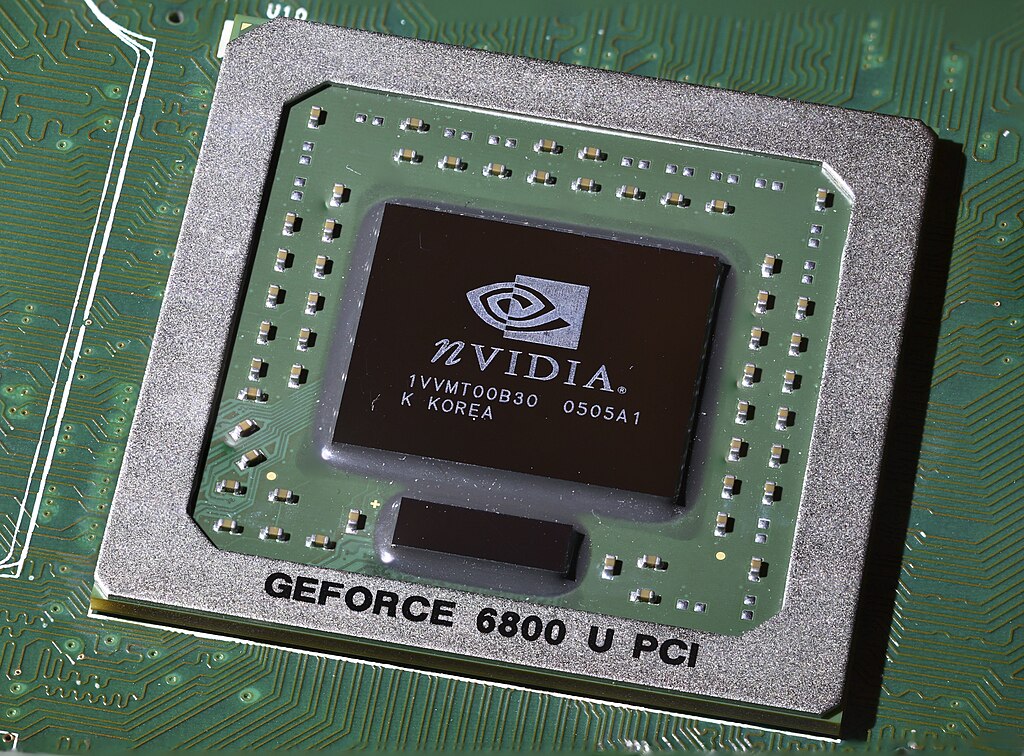
The U.S. government under President Donald Trump has launched a formal review that could pave the way for the first-ever shipments of Nvidia’s H200 artificial intelligence chips to China, according to multiple sources familiar with the process. The move follows Trump’s recent pledge to allow sales of the advanced AI chips, signaling a significant shift in U.S. export controls and technology policy toward China.
The review is being led by the U.S. Commerce Department, which has circulated export license applications to the Departments of State, Defense, and Energy. Under existing export regulations, those agencies have up to 30 days to provide feedback before a final decision is made. While the inter-agency review is described as thorough, the ultimate authority rests with President Trump.
Trump has argued that permitting sales of Nvidia’s H200 chips—while imposing a 25% government fee—would strengthen U.S. technological leadership by keeping American firms ahead of Chinese competitors. He has also claimed that access to U.S. chips could reduce demand for domestically produced Chinese alternatives, such as those developed by Huawei.
The proposal has sparked intense criticism from lawmakers and national security experts across party lines. Critics warn that exporting advanced AI chips to China could enhance Beijing’s military capabilities and undermine the United States’ strategic advantage in artificial intelligence. Former Biden administration officials have described the policy as a serious national security risk, emphasizing that access to high-performance AI hardware remains a critical constraint for China.
The Trump administration’s stance represents a sharp reversal from the Biden-era restrictions, which broadly banned advanced AI chip exports to China and to countries suspected of serving as transshipment hubs. It also contrasts with Trump’s own first-term policies, when he aggressively limited Chinese access to U.S. technology over intellectual property and security concerns.
Meanwhile, Nvidia has reportedly seen strong interest from Chinese buyers, prompting considerations to increase production of the H200 chips. Although less powerful than Nvidia’s latest Blackwell chips, the H200 remains widely used in the global AI industry and has never previously been approved for sale in China.







