


 Nvidia CEO Jensen Huang Expected at Trump-Xi State Dinner
  Texas Republicans Turn Against AI Data Centers as Election Backlash Grows
  SoftBank Shares Jump 8% as SB Energy IPO Optimism Builds
  Cathie Wood Backs AI Slowdown as Safety Concerns Grow
  Lula, Flavio Bolsonaro Deadlocked in Brazil Election Polls
  US Judge Dismisses Imran Ahmed Deportation Lawsuit
  Trump Grants Clemency to Jay-Z Associate Emory Jones
  Takaichi-Backed Koja Wins Okinawa Governor Race
  Qualcomm Gains on $60B Amazon AI Chip Deal
  SoftBank Shares Plunge 11% After OpenAI Rules Out 2026 IPO
  Australia Plans New Rules Giving Users Control Over Social Media Feeds
  Trump Open to Chinese Automakers Building Cars in US
  New Zealand Labour Backs Social Media Ban for Under-16s
  Saudi Arabia Shuts East-West Oil Pipeline After Drone Attack
  SEC Probes Banks Over Situational Awareness Hedge Fund Collapse
  Synthetic data could ease people’s concerns about privacy breaches. But who gets to create it?
  Trump Vows to Keep U.S. Ahead of China in AI Race


 Add as a preferred source on Google
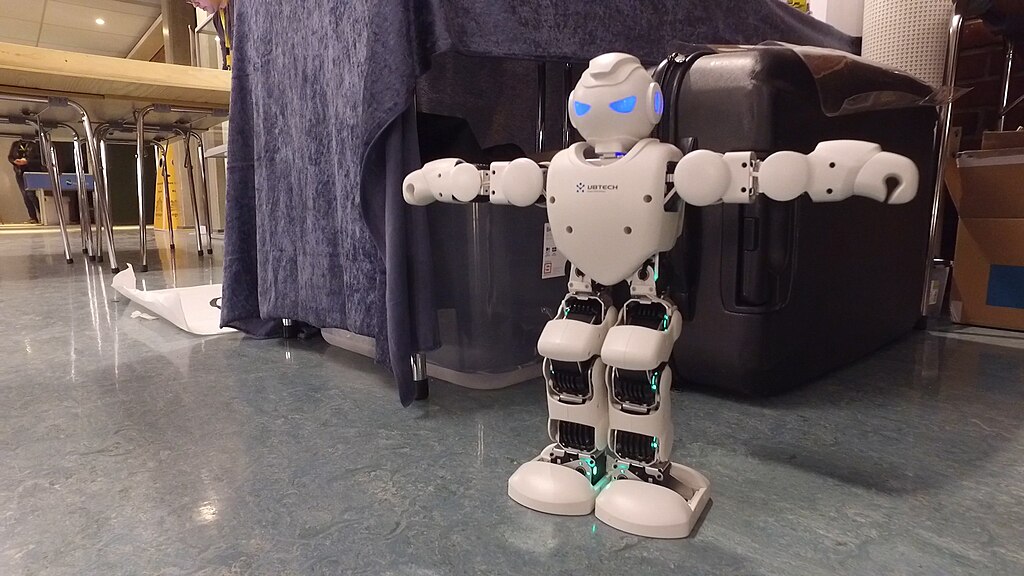
The Trump administration is set to introduce new restrictions on Chinese technology imports, targeting advanced robots and power inverters as part of a broader effort to strengthen U.S. national security and protect the country's artificial intelligence supply chain.
According to U.S. officials, the Federal Communications Commission (FCC) is expected to announce measures that prohibit the import of new Chinese-made humanoid and quadruped robots, along with connected power inverters. These inverters play a critical role in linking renewable energy systems, battery storage, and data center equipment to the power grid, making them increasingly important as AI infrastructure expands across the United States.
The move reflects the Trump administration's strategy to reduce dependence on Chinese technology in sectors considered vital to economic and national security. Officials argue that relying on Chinese-made equipment could expose U.S. infrastructure to cybersecurity risks, supply chain disruptions, and potential data theft, particularly as investments in AI, renewable energy, and advanced manufacturing accelerate.
Administration officials said the restrictions are designed to encourage domestic manufacturing while protecting critical technologies from foreign threats. The policy also aligns with broader efforts to reshore strategic industries and build secure supply chains for emerging technologies expected to drive future economic growth.
"The President has made clear that the United States must have independent and secure supply chains for critical and emerging technologies like robotic devices and power inverters," a Trump administration official said. The official added that the administration views economic security as a key component of national security and will continue implementing policies aimed at reindustrializing the United States.
The new import restrictions are part of a wider push by Washington to tighten oversight of Chinese technology in sensitive industries, particularly those connected to AI development, energy infrastructure, and advanced automation. As demand for AI-related equipment continues to surge, the administration is seeking to ensure that essential components are sourced from trusted suppliers while reducing potential security vulnerabilities.
The Chinese Embassy in Washington did not immediately respond to requests for comment on the planned measures.







