


 Trump Signs Order to Cut Routine Childhood Vaccines
  BofA Names ASML Top Semiconductor Equipment Pick on Growth, Valuation
  Countries Tighten Social Media Bans for Children
  Google Changes EU Spam Policy Amid Antitrust Scrutiny
  Nvidia Revenue Soars 106% as AI Demand Hits ‘Inflection Point’
  SoftBank Eyes $20 Billion Bond Sale to Refinance OpenAI Loan
  PayPal Shares Sink as $50 Billion Takeover Bid Collapses
  US Military Uses Laser to Shoot Down Cartel Drones at Mexico Border
  King Haakon VIII Honors Late Father Harald in First Address
  UN Criticizes US Terror Label for Palestine Action
  Nepal Declines Foreign Rescue Aid After Deadly Flash Flood
  Meta, U.S. States Discuss Settlement in Teen Addiction Trial
  Mojtaba Khamenei’s Absence Fuels Iran Leadership Doubts
  Trump Administration Plans New Drug Pricing Deals With Biotech Firms
  SEC Moves to Dismiss Insider Trading Case Against Trump-Pardoned Terren Peizer
  New Zealand Moves to Ban Social Media for Children Under 16


 Add as a preferred source on Google
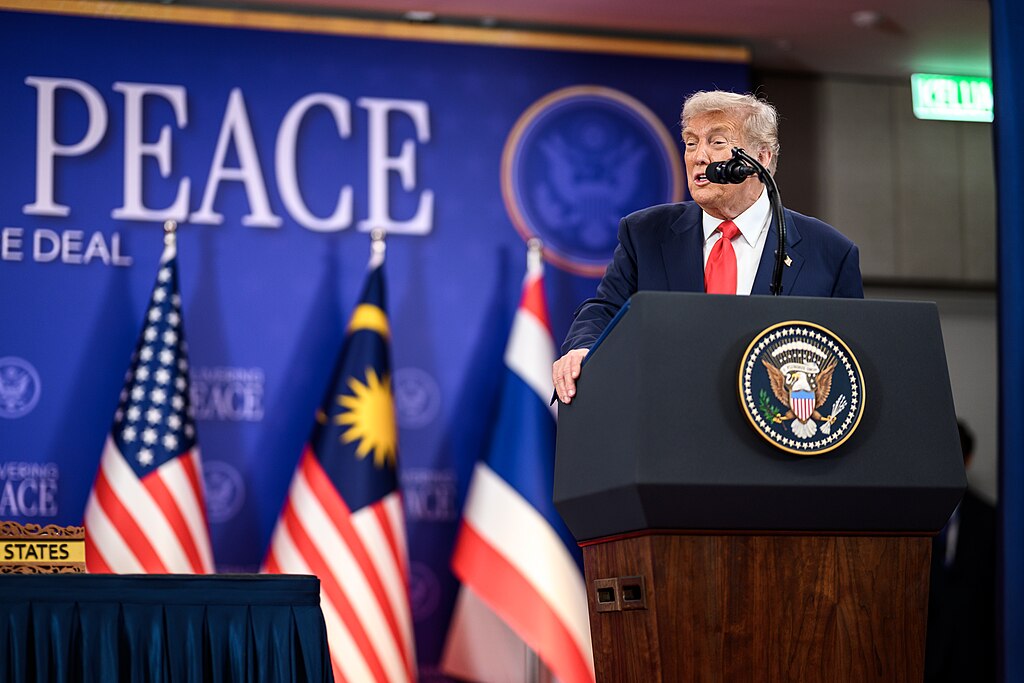
President Donald Trump has issued an executive order blocking HieFo Corp. from acquiring semiconductor-related assets from Emcore Corp., citing serious national security risks tied to foreign ownership and sensitive chip technologies. The decision underscores the U.S. government’s heightened scrutiny of transactions involving semiconductors, advanced manufacturing, and Chinese-linked investors.
The order targets Delaware-based HieFo Corp., which is controlled by a Chinese citizen, and prohibits the company from completing or maintaining its acquisition of assets related to Emcore’s digital chips business. These assets include wafer design, fabrication, processing operations, and indium phosphide wafer manufacturing owned by New Jersey-based Emcore Corp. The companies had previously announced that the transaction, valued at approximately $2.92 million, was completed on April 30, 2024, following an agreement reached earlier in the year.
According to the executive order, HieFo must divest all interests, rights, and control over the Emcore semiconductor assets within 180 calendar days. This deadline may only be extended with approval from the Committee on Foreign Investment in the United States (CFIUS), the interagency body responsible for reviewing foreign investments for national security implications. The order states there is “credible evidence” that HieFo could take actions that might impair U.S. national security through control of the acquired technology.
Until the divestment process is finalized, HieFo faces strict operational restrictions. The company is barred from granting access to the Emcore assets or sharing non-public technical or operational information with anyone outside of approved HieFo personnel unless CFIUS provides explicit authorization. In addition, HieFo must submit weekly certifications confirming compliance with the executive order.
The order also authorizes U.S. government employees designated by CFIUS to access HieFo’s U.S. facilities to verify compliance. Any potential buyer of the divested Emcore assets must be disclosed to CFIUS, which retains the right to object to a proposed sale within 30 days. The move highlights ongoing U.S. efforts to safeguard critical semiconductor technologies amid escalating geopolitical and economic tensions.







