


 Australia Plans New Rules Giving Users Control Over Social Media Feeds
  Saudi Arabia Shuts East-West Oil Pipeline After Drone Attack
  Ovechkin Faces Scrutiny Over United Russia Campaign Video
  Nvidia-Groq AI Chip Deal Faces U.S. Antitrust Probe
  FDA Names Permanent Drug and Biologics Center Chiefs
  Australia Tightens Student Visa Rules, Targets Migration Cut by 2028
  US-China Experts Push AI Nuclear Safeguards to Prevent Military Escalation
  Trump Threatens EU Tariffs Over Canada Membership Proposal
  South Korea’s Cho Hyun to Meet Rubio in Washington
  What is Zionism? The different meanings of a contested term
  Saudi Arabia Raises Security Alerts as Houthi Attacks Threaten Oil Routes
  Rodrigo Duterte Makes First Public Appearance at ICC in 18 Months
  Trump Grants Clemency to Jay-Z Associate Emory Jones
  US Confirms Weapons in Orbit as Space Tensions Rise
  Global Poll Shows Rising Trust in Institutions as US-China Leadership Support Falls
  Ukraine Races to Counter Russia’s Faster Jet-Powered Drones
  ICE Agent Arrested in Minneapolis Over Venezuelan Man Shooting


 Add as a preferred source on Google
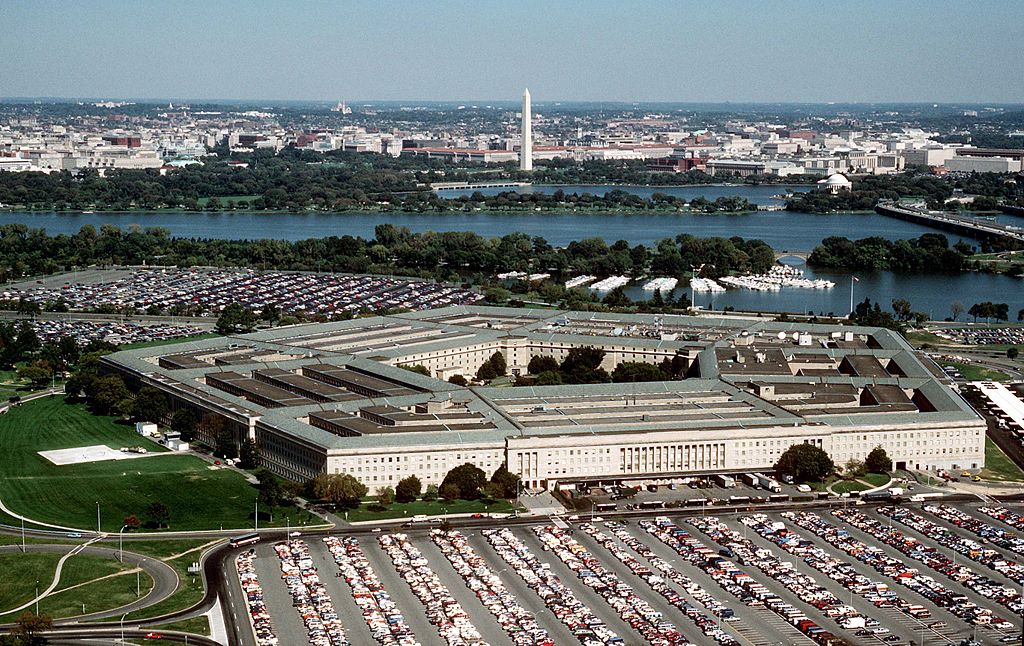
The U.S. Department of Defense will stop sending military officers to professional courses and graduate programs at Ivy League universities beginning in the 2026–27 academic year, Defense Secretary Pete Hegseth announced Friday. The decision marks a significant shift in Pentagon education policy and reflects the Trump administration’s broader stance toward elite academic institutions.
In a video statement posted on X, Hegseth said the Pentagon would immediately cancel all Department of Defense attendance at institutions including Princeton, Columbia, MIT, Brown, and Yale, among others, starting next academic year. He criticized Ivy League schools, claiming they have become “factories of anti-American resentment and military disdain” despite receiving substantial taxpayer funding over the years.
The move expands on earlier action taken this month, when Hegseth said he would terminate professional military education programs, fellowships, and certificate partnerships with Harvard University. The Pentagon’s decision effectively ends long-standing collaborations that allowed U.S. military officers to pursue advanced degrees and specialized training at some of the nation’s most prestigious universities.
The policy change comes amid increased scrutiny of higher education institutions by the Trump administration. Federal officials have raised concerns over diversity, equity, and inclusion initiatives, transgender policies, and campus protests related to Israel’s military actions in Gaza. The administration has signaled it will reassess government funding and partnerships with universities it views as out of alignment with its national security and cultural priorities.
By ending these academic programs, the Defense Department is reshaping how military leaders receive advanced education and strategic training. While supporters argue the move protects taxpayer dollars and reinforces patriotic values, critics warn it could limit exposure to diverse perspectives and academic expertise that have historically informed U.S. defense strategy.
The announcement is likely to intensify debate over the role of elite universities in national defense and the future of military education policy in the United States.







