


 DOJ Will Investigate AI-Related Crimes, Attorney General Blanche Says
  FDA Names Permanent Drug and Biologics Center Chiefs
  Ukraine Races to Counter Russia’s Faster Jet-Powered Drones
  US Judge Dismisses Imran Ahmed Deportation Lawsuit
  OpenAI Rejects Apple Trade Secret Theft Claims
  Sara Duterte Posts Bail Over Grave Threats Case
  US Weighs New Sanctions Against Brazil Supreme Court Justice Alexandre de Moraes
  US Sailor’s Father Detained by Immigration Authorities
  Texas Republicans Turn Against AI Data Centers as Election Backlash Grows
  Trump Touts $5,000 Checks if Republicans Win Congress
  Rodrigo Duterte Makes First Public Appearance at ICC in 18 Months
  Vietnam, U.S. Firms Plan 29 Deals Across Energy, Tech and Aviation
  Who should own the knowledge that underpins AI technology?
  Europe can’t achieve space sovereignty alone. Here’s why
  Ovechkin Faces Scrutiny Over United Russia Campaign Video
  Trump Grants Clemency to Jay-Z Associate Emory Jones
  TikTok, DOJ Reach $400 Million Children’s Privacy Settlement


 Add as a preferred source on Google
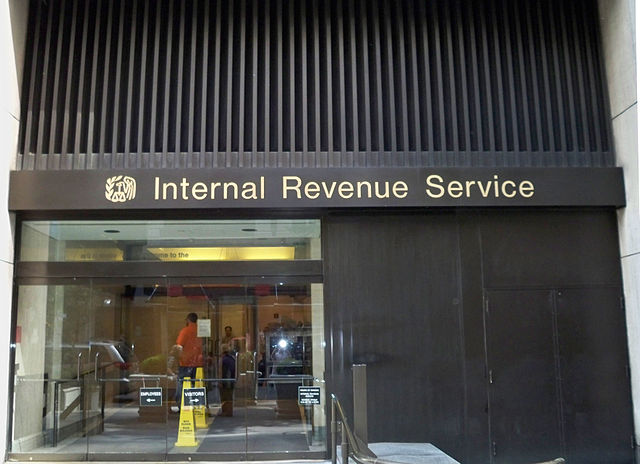
U.S. President Donald Trump and several members of his family have filed a sweeping $10 billion lawsuit against the Internal Revenue Service (IRS) and the U.S. Treasury Department, alleging unlawful disclosure of their confidential tax returns. The lawsuit, filed on Thursday, claims that federal agencies violated long-standing taxpayer privacy laws by releasing sensitive financial information without proper legal justification.
According to the complaint, the disclosure of Donald Trump’s tax returns, along with those of his family members, caused significant financial harm, reputational damage, and emotional distress. The plaintiffs argue that the IRS and Treasury Department failed in their legal duty to safeguard private taxpayer information, a cornerstone principle of the U.S. tax system designed to protect all citizens, regardless of status or political affiliation.
The lawsuit stems from the release of Trump’s tax records to the U.S. House Ways and Means Committee, which later made the documents public. While congressional Democrats argued that the release served a legitimate legislative purpose related to oversight of the IRS and the presidential audit process, Trump and his family strongly dispute this claim. They assert that the disclosure was politically motivated and exceeded the lawful scope of congressional authority.
Donald Trump has repeatedly maintained that the publication of his tax returns was part of a broader campaign to target him and his family. In the lawsuit, the plaintiffs seek $10 billion in damages, citing what they describe as “extraordinary misconduct” by federal agencies entrusted with protecting confidential financial data.
The case adds another chapter to Trump’s ongoing legal battles and is likely to reignite debate over taxpayer privacy, congressional oversight, and the limits of government authority. Legal experts note that the outcome could have lasting implications for how tax information is handled in high-profile investigations, particularly involving public officials.
As the lawsuit moves forward, it is expected to draw intense public and political scrutiny, given Trump’s continued influence in U.S. politics and the broader implications for federal accountability and privacy protections under U.S. law.







