


 US Confirms Weapons in Orbit as Space Tensions Rise
  Saudi Arabia Shuts East-West Oil Pipeline After Drone Attack
  France Targets Shein, Temu With Fast-Fashion Fees
  Lula, Flavio Bolsonaro Deadlocked in Brazil Election Polls
  Trump Administration Removes Confederate Memorial Criticism From Arlington Website
  ICE Agent Arrested in Minneapolis Over Venezuelan Man Shooting
  Vietnam, U.S. Firms Plan 29 Deals Across Energy, Tech and Aviation
  Judge Blocks Trump Rule Limiting Foreign Student Visas
  Global Poll Shows Rising Trust in Institutions as US-China Leadership Support Falls
  North Korea Vows to Expand Nuclear Arsenal Amid U.S.-Led Military Buildup
  US Judge Dismisses Imran Ahmed Deportation Lawsuit
  US Bans Canadian Alcohol, Motorcycles as Trade War Escalates
  Australia Tightens Student Visa Rules, Targets Migration Cut by 2028
  Trump Grants Clemency to Jay-Z Associate Emory Jones
  Australia Plans New Rules Giving Users Control Over Social Media Feeds
  What is Zionism? The different meanings of a contested term
  U.S. Imposes New Visa Restrictions Over South Africa Policies


 Add as a preferred source on Google
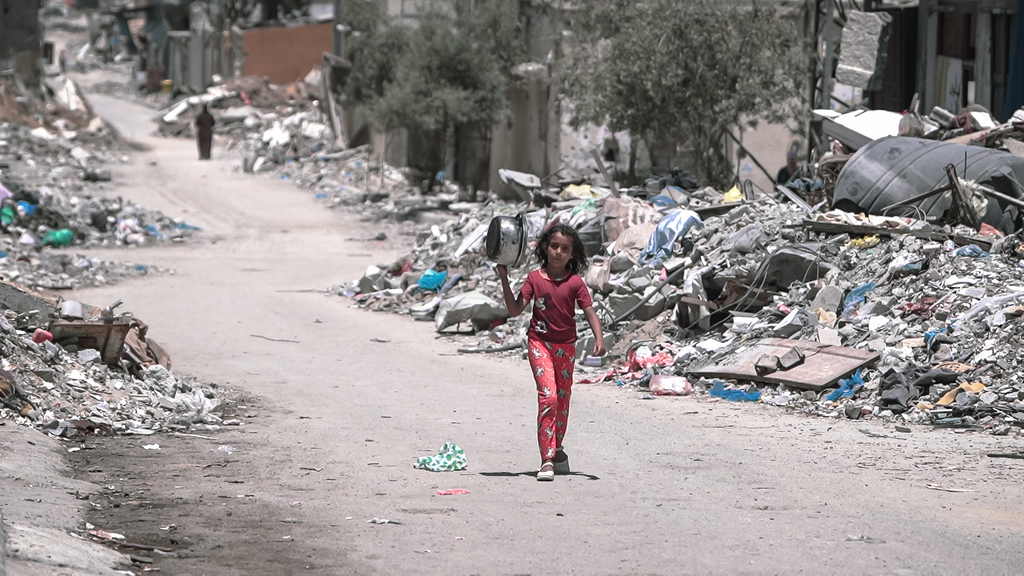
Israel’s newly updated Gaza maps have significantly expanded restricted military zones, placing thousands of displaced Palestinians at increased risk and limiting humanitarian access. The revised maps, quietly shared with aid organizations in mid-March, introduce an “orange line” that designates additional restricted areas beyond the previously established “Yellow Line,” which marked the boundary of Israeli troop positions following the October ceasefire.
According to reports, the expanded restricted zone now covers approximately 11% more territory, bringing nearly two-thirds of Gaza under some form of Israeli control. Israeli officials describe these areas as “buffer zones” designed to prevent further militant attacks after the October 7, 2023 Hamas assault that triggered the ongoing conflict. However, Palestinians living within these zones fear they could be mistakenly targeted, as boundaries are not clearly marked on the ground and appear to shift frequently.
Humanitarian groups operating in Gaza have expressed concern over the lack of clarity and coordination requirements imposed by Israel’s military agency, COGAT. Aid organizations must seek approval before entering these restricted areas, which has slowed or halted the delivery of essential supplies such as food, water, and medical aid. This has left many displaced families in dire conditions, particularly those living in camps or damaged buildings near Gaza City.
The situation has become more alarming following reports that several aid workers, including staff affiliated with UNICEF and the World Health Organization, were killed in areas between the designated lines. Israeli forces stated that they opened fire after identifying potential threats near the Yellow Line, though humanitarian agencies have yet to confirm whether proper coordination protocols were followed.
Local residents say the shifting boundaries create confusion and fear. Many are unsure where it is safe to stay, as the lines can move overnight without warning. Analysts estimate that Israel now controls at least 64% of Gaza, leaving nearly two million Palestinians confined to a shrinking coastal area with limited resources.
The expansion of these zones has also raised broader geopolitical concerns, including doubts about long-term intentions and the viability of Gaza as a sustainable territory. Critics argue that the continued restriction of land and movement may further destabilize the region and complicate future peace efforts.







