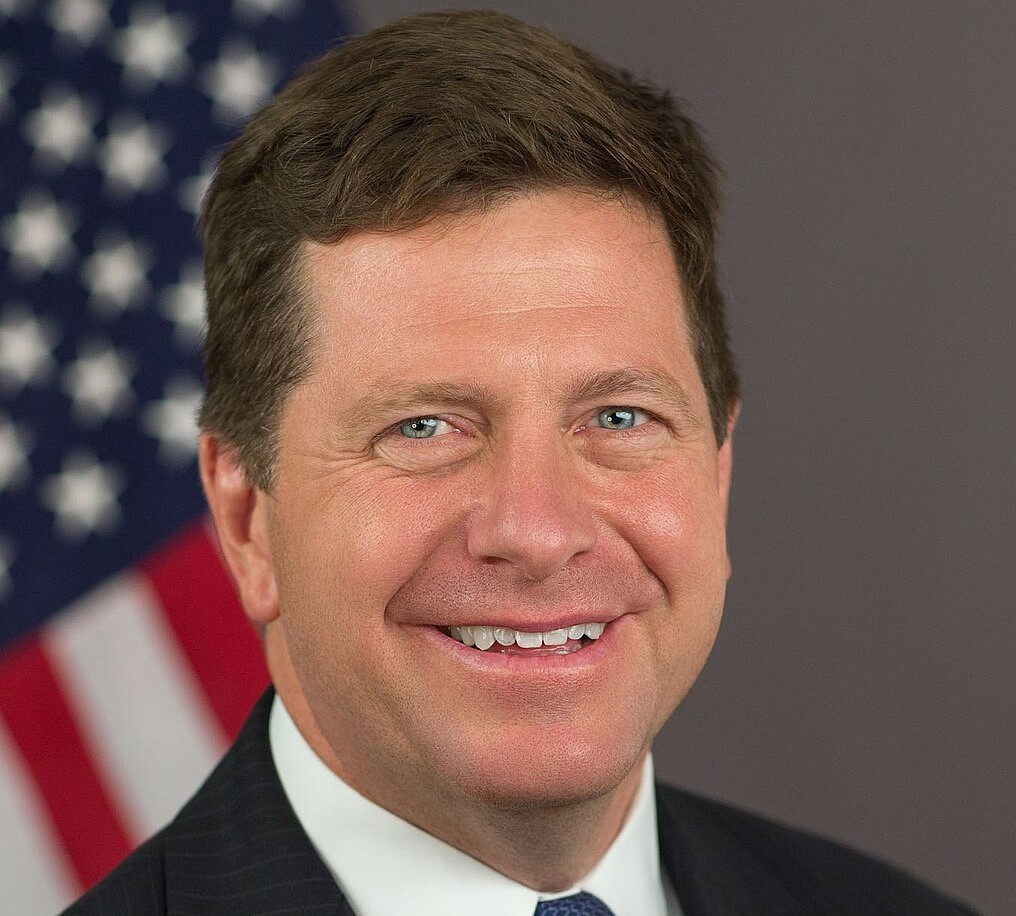
President Donald Trump's nominee for U.S. director of national intelligence, Jay Clayton, is scheduled to appear before the Senate Select Committee on Intelligence for his confirmation hearing on July 15, according to an official committee notice.
Trump nominated Clayton last month to lead the U.S. intelligence community, which oversees the nation's 18 intelligence agencies. The nomination comes after criticism surrounding Trump's earlier decision to appoint Federal Housing Finance Agency Director Bill Pulte as the temporary head of the intelligence office. Pulte's lack of national security experience drew bipartisan scrutiny, with some Republicans expressing concerns that intelligence agencies could be used for political purposes.
Earlier this month, Trump confirmed that Clayton's confirmation hearing would take place within two weeks. The process had previously been delayed after the president urged Congress to postpone action while lawmakers considered the Safeguard American Voter Eligibility (SAVE) Act, a bill that would require stricter voter identification standards for federal elections.
Trump has repeatedly argued that the SAVE Act is essential for protecting election integrity and has said the legislation would strengthen Republican prospects in the upcoming November midterm elections. He has continued to promote claims of widespread election fraud despite courts, election officials, and independent investigations finding no evidence of fraud significant enough to alter the results of the 2020 presidential election.
Since returning to the White House following his victory in the 2024 election, Trump has moved aggressively to reshape federal agencies by appointing political allies to key leadership positions and implementing policies aimed at increasing executive control over government institutions.
Clayton's confirmation hearing is expected to draw significant attention as lawmakers examine his qualifications, leadership approach, and vision for overseeing the U.S. intelligence community during a period of heightened national security challenges and political debate.