The U.S. Department of Justice (DOJ) has shifted unresolved election-investigation disputes to political appointees ahead of the Nov. 3 vote, adding federal influence to fights over state-run elections.
Reuters reported that the administration reduced the size of the DOJ’s Public Integrity Section, which is staffed by career election-law experts, and paused a rule requiring prosecutors to consult it on election-corruption investigations. Three people familiar with internal discussions told Reuters that political appointees would settle disagreements between investigators and prosecutors, with the deputy attorney general’s office mediating.
Former department officials told Reuters that career staff generally urged investigators to wait for formal certification before taking action. DOJ officials say U.S. attorneys’ offices are better placed to decide whether charges are justified. Attorney General Todd Blanche has said the department’s actions are lawful and intended to protect voting integrity. DOJ spokesperson Kiersten Pels said, “The Department isn’t helping any campaign. It’s enforcing the law.”
In California, Reuters reported, the DOJ sought to set aside mail ballots from about 20,000 voters it alleged were likely noncitizens and requested records for a related criminal investigation. California officials said safeguards were in place and disputed the department’s authority to block ballots. The Ninth Circuit later dismissed the department’s appeal in the California ballot case.
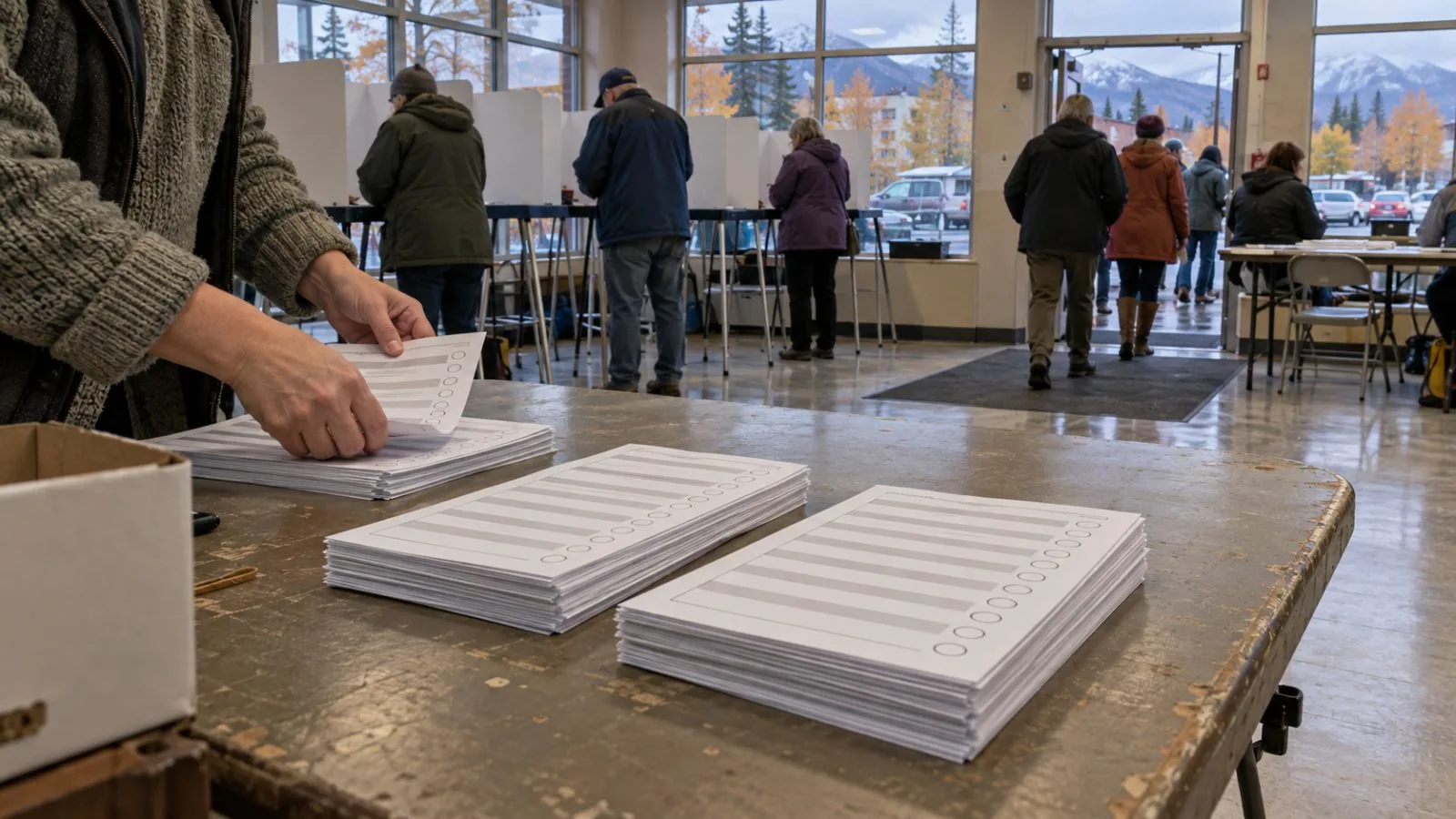
In Alaska, the department alleged Daniel J. Sullivan entered the Senate race to confuse voters because he shares a name with Republican incumbent Dan Sullivan. Daniel J. Sullivan denies trying to mislead voters. Reuters reported that the DOJ sought a court order for an inquiry and a certification freeze if the vote was close enough for confusion over the candidates’ names to have mattered. U.S. District Judge Sharon Gleason dismissed the case Sunday, Nov. 1, concluding that an inquiry could not proceed without compromising ballot secrecy. The department has appealed. A New York Times report said Democrat Mary Peltola’s campaign helped recruit Daniel J. Sullivan; her campaign said it had “no involvement with either Sullivan campaign.”
The Constitution gives states responsibility for running elections. Reuters reported that DOJ election interventions historically focused on protecting racial minorities and other vulnerable voters, and that department officials during Trump’s first term rejected pressure to join challenges to his 2020 loss. Voting-rights lawyer Lis Frost told Reuters that Trump-aligned outside groups may not need to bring election challenges themselves if the DOJ does so. Those groups filed more than 60 lawsuits contesting Trump’s 2020 defeat, all unsuccessful, Reuters reported. Critics have also warned that federal involvement can create uncertainty or be used by political actors.
The Nov. 3 vote will determine control of Congress and the outcomes of dozens of governors’ races.