


 European Stocks Flat as Iran Tensions, ECB Rate Hike Loom
  Israel Strikes Southern Lebanon After Hezbollah Drone Attack
  Trump Imposes New Tariffs on Drone Imports Over US Security Concerns
  OPEC+ Expected to Hold October Oil Output Steady
  China Boosts Gold Reserves by 650,000 Ounces as Prices Rally
  Asian Stocks Mixed as Korean Chipmakers Rally
  Russia Eyes Putin-Trump-Xi Trilateral Meeting at China APEC Summit
  Oil Prices Climb as Iran Threatens Gulf Energy Infrastructure
  Asian Stocks Rally as AI Optimism Fuels Chipmaker Surge
  Trump Peace Envoys Meet Zelenskiy in Kyiv After Putin Talks
  Japan, U.S. Stay Aligned on Yen as Currency Surges
  Countries Tighten Social Media Bans for Children
  Hungary Industrial Output Beats Forecasts With 4.7% July Growth
  FCC Steps Up China Tech Crackdown as Beijing Pushes Back
  Iran Threatens Gulf Energy Assets as U.S. Tensions Escalate
  US Stock Futures Mixed as Fed Rate Hike Bets Rise
  Putin Meets US Envoys in Moscow as Ukraine Peace Push Intensifies


 Add as a preferred source on Google
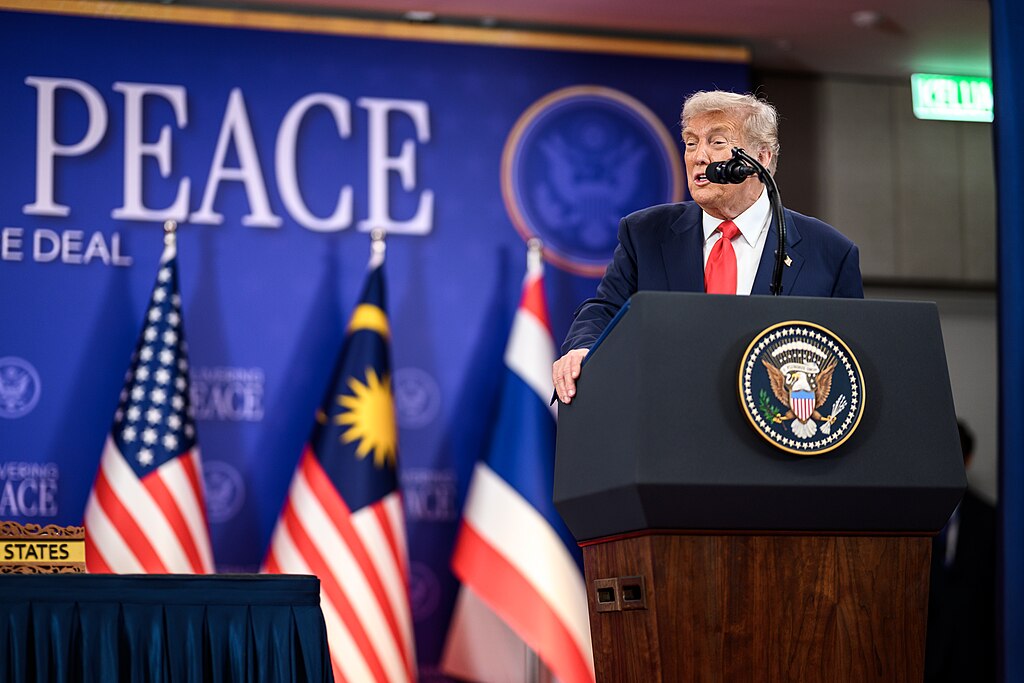
U.S. President Donald Trump has ordered a “total and complete blockade” of all sanctioned oil tankers entering and leaving Venezuela, dramatically escalating Washington’s pressure on President Nicolas Maduro’s government and directly targeting the country’s primary source of revenue. The announcement, made Tuesday on Trump’s Truth Social account, immediately rattled global energy markets and raised serious legal and geopolitical questions.
Trump justified the move by accusing the Venezuelan government of asset theft, terrorism, drug smuggling, and human trafficking, stating that the Maduro-led regime has been designated a foreign terrorist organization. However, it remains unclear how the blockade would be enforced, including whether the U.S. Coast Guard or Navy would be used to interdict vessels. The administration has already increased its military presence in the region, deploying thousands of troops and nearly a dozen warships, including an aircraft carrier.
Venezuela’s government swiftly rejected the announcement, calling it a “grotesque threat” and accusing the United States of imperialism and attempts to seize control of the country’s vast oil reserves. Tensions have been building since the U.S. seized a sanctioned tanker off Venezuela’s coast last week, effectively discouraging other vessels from loading oil. Venezuelan crude exports have since fallen sharply, worsened by a recent cyberattack that disrupted operations at state oil company PDVSA.
Oil prices reacted quickly. Brent crude rose more than 1% in Asian trading, while U.S. West Texas Intermediate crude also climbed over 1%, rebounding from its lowest close since February 2021. Market participants say prices are rising on expectations of reduced Venezuelan supply, though much depends on whether the blockade is fully implemented and whether non-sanctioned vessels are affected.
Legal experts warn the blockade could be considered an act of war under international law, while U.S. lawmakers have questioned Trump’s authority to take such action without congressional approval. Analysts estimate that if nearly one million barrels per day of Venezuelan crude are removed from the market and not offset by OPEC spare capacity, oil prices could rise by $5 to $8 per barrel, potentially fueling inflation and regional instability.
China, Venezuela’s largest oil buyer, and companies like Chevron, which operates under U.S. authorization, are closely watching developments as the standoff threatens to reshape global oil flows and deepen an already volatile crisis.







