Oil prices dipped during early Asian trading on Wednesday after the Wall Street Journal broke news that the International Energy Agency was preparing its largest emergency oil reserve release in history. The move comes in direct response to mounting supply disruptions triggered by the ongoing conflict involving Iran.
Brent crude futures for May slipped 0.5% to $87.37 per barrel, while West Texas Intermediate dropped 0.4% to $81.78 per barrel as of 00:46 GMT. Prices fluctuated sharply in the moments following the report before settling into a downward trend.
According to the WSJ, IEA member nations are expected to vote on the unprecedented proposal Wednesday. The planned release is anticipated to surpass the record 182 million barrels that were made available in 2022 when Russia invaded Ukraine, marking a significant escalation in global energy emergency response.
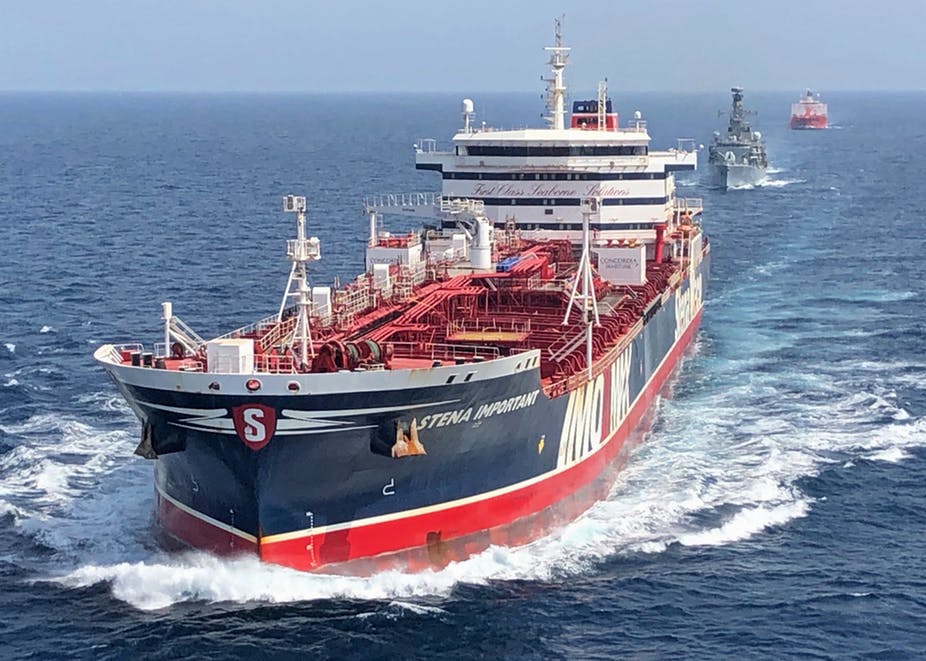
The primary driver behind this decision is Iran's near-complete blockade of the Strait of Hormuz, a critical maritime corridor responsible for facilitating roughly 20% of global oil supply. Iranian forces have reportedly been attacking vessels attempting to transit the strait and have laid mines throughout the channel. Tehran has stated it will only restore free passage once the United States and Israel cease military operations against the country.
The potential reserve release aims to cushion global markets from the severe supply shocks caused by the U.S.-Israel conflict with Iran. Analysts warn that a prolonged Hormuz closure could devastate oil and gas availability across large parts of Asia.
On a broader diplomatic front, G7 nations are also coordinating strategic petroleum reserve releases. Separately, Washington announced a temporary relaxation of certain sanctions on Russian oil exports as an additional measure to stabilize global crude supplies during this volatile period.