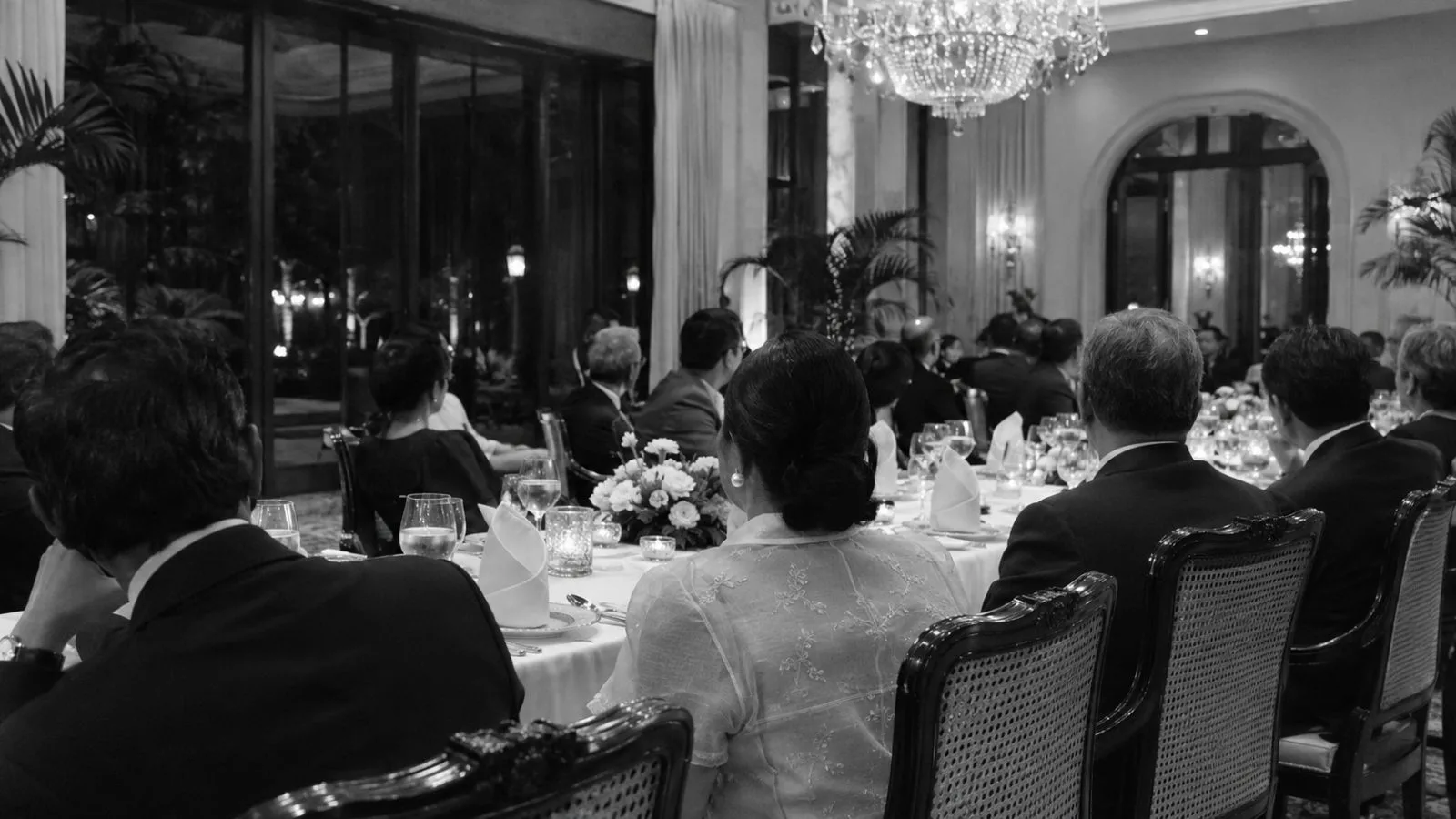
President Donald Trump used a Manila dinner with Southeast Asian leaders on Nov. 17 to stress U.S. trade and defense ties.
At the dinner, hosted by Philippine President Ferdinand Marcos Jr., Trump told the gathering, “We’re with you always.” He cited trade arrangements involving Malaysia, Cambodia, Indonesia, Japan and South Korea, and referred to U.S. defense cooperation with Indonesia and the Philippines.
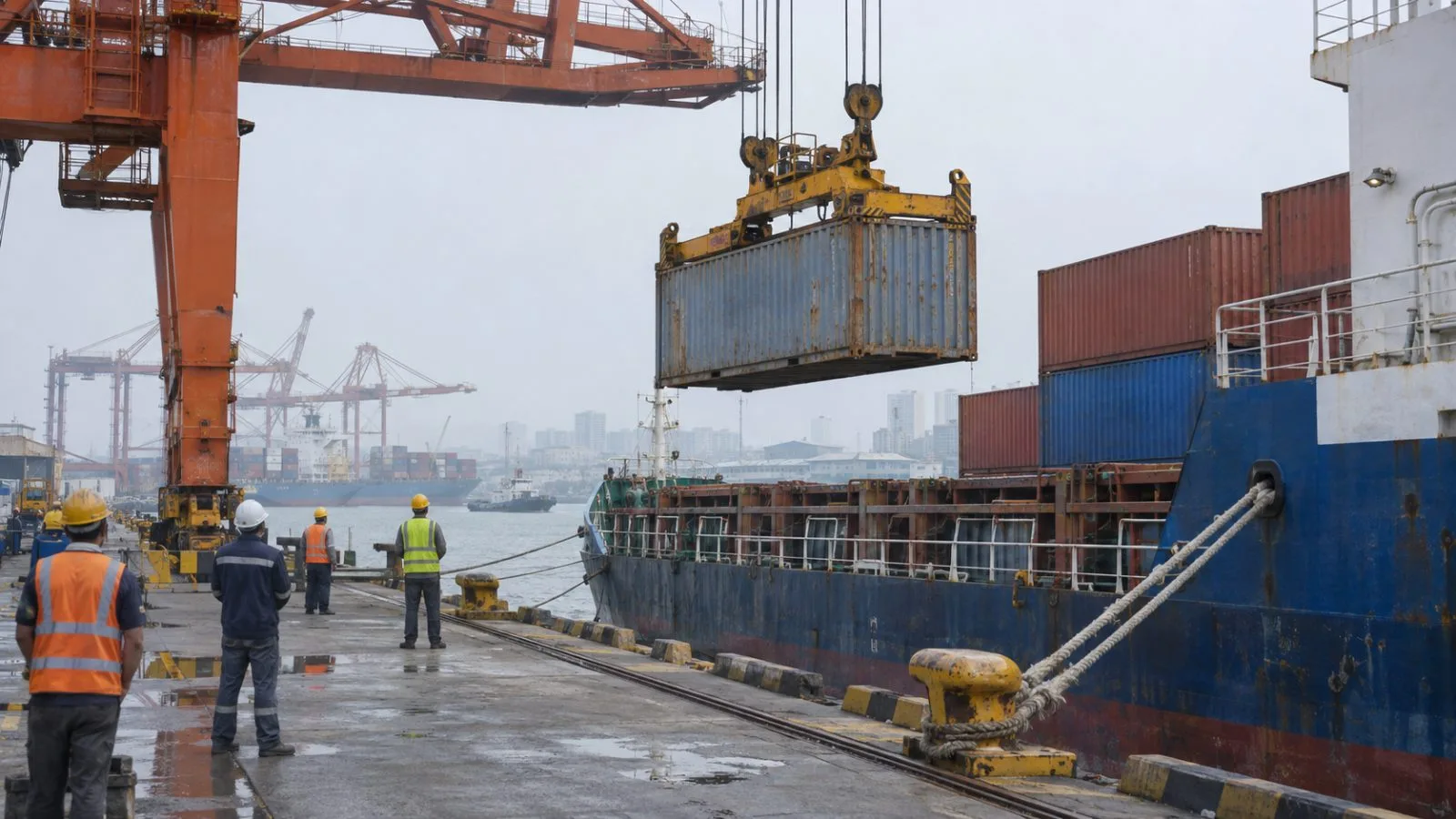
Trump also described the Strait of Malacca as a route for roughly one-quarter of the world’s shipping. The comments put commercial links and regional security at the center of his message to ASEAN leaders.
A separate trade development came Nov. 17, when Trump and Thai Prime Minister Anutin Charnvirakul signed a joint statement saying negotiations on a reciprocal-trade agreement had substantially concluded. The statement said both governments would take domestic steps to prepare the agreement for signature and entry into force.
The tariff provisions were set out in a separate 2025 U.S.-Thailand framework, which called for Thailand to eliminate tariff barriers on approximately 99% of goods. The Nov. 17 statement confirmed the negotiating milestone; it did not set those tariff terms.
ASEAN members are also pursuing a code of conduct with China to address South China Sea disputes, The Associated Press reported. The outlet said confrontations between Chinese and Philippine forces have intensified in recent years.
Trump was scheduled to meet Marcos on Nov. 18. The Associated Press reported that the meeting was expected to address the treaty relationship between the United States and the Philippines.