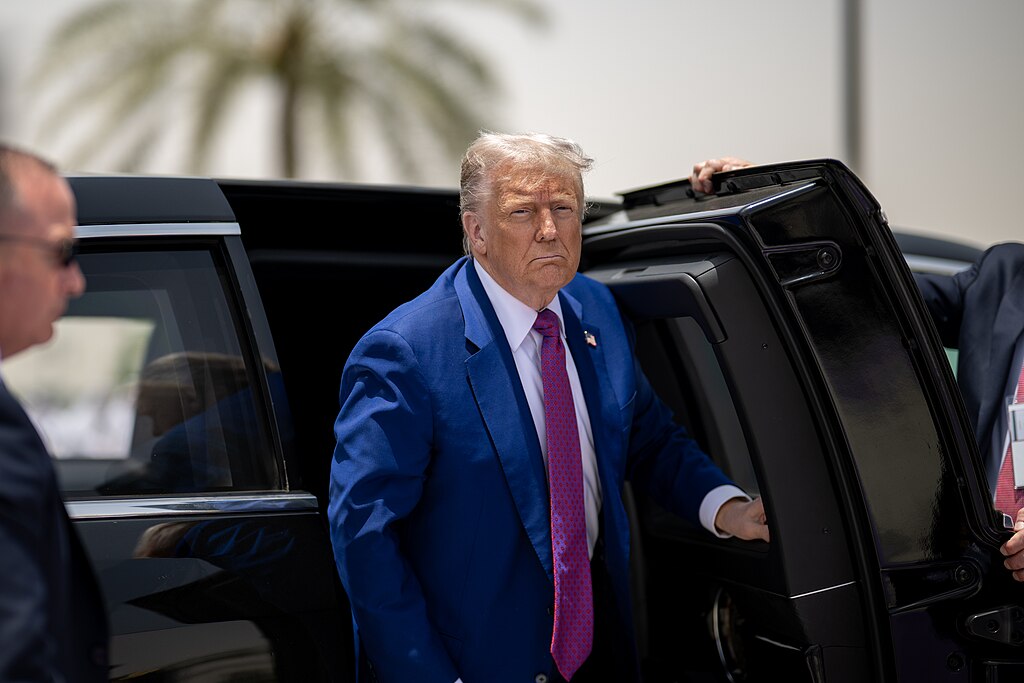
U.S. President Donald Trump has asked Congress to approve more than $11 billion in additional farm aid to help American farmers cope with soaring fuel and fertilizer expenses linked to the recent Iran conflict. According to a White House supplemental funding request reviewed by Reuters, the proposed package aims to provide much-needed financial relief to producers struggling with rising production costs and weak crop prices.
The latest request comes on top of the $12 billion in farm assistance that the administration has already distributed this year. While farm organizations welcomed the earlier funding, many industry leaders argued it was not enough to offset the financial challenges facing growers. Higher operating expenses, combined with the effects of current U.S. trade policies, have placed significant pressure on farm profitability.
Fuel and fertilizer prices climbed sharply this spring after shipping disruptions in the Middle East affected global supply chains. Although trade routes have started to stabilize following an initial agreement between Washington and Tehran to ease tensions, many farmers continue to deal with elevated input costs that threaten their earnings.
According to the proposal signed by Office of Management and Budget Director Russ Vought, approximately $10 billionwould support row crop and specialty crop producers for crops planted during the 2026 growing season. An additional $1.1 billion would be directed to Florida farmers who suffered losses from severe winter storms that struck in late 2025 and early 2026.
The funding request arrives as rural voters remain a critical political base for Trump ahead of the November midterm elections. However, Reuters/Ipsos polling shows his approval rating among rural Americans declined to 50% in June, down from 60% in February 2025, reflecting growing concerns within farming communities.
If Congress approves the proposal, total direct government payments to farmers are projected to reach $55.4 billion this year, based on U.S. Department of Agriculture estimates. Agricultural economist Wesley Davis of Meridian Agribusiness Advisors said those payments would account for roughly 33% of total U.S. farm income in 2026, marking the highest level of direct government support since 2001. The increased assistance underscores the administration's effort to stabilize the agricultural sector amid ongoing economic and geopolitical challenges.