President Donald Trump said U.S. forces might join Saudi strikes against Yemen’s Houthis after an airport attack killed 13 people in Riyadh, raising the prospect of direct American military involvement.
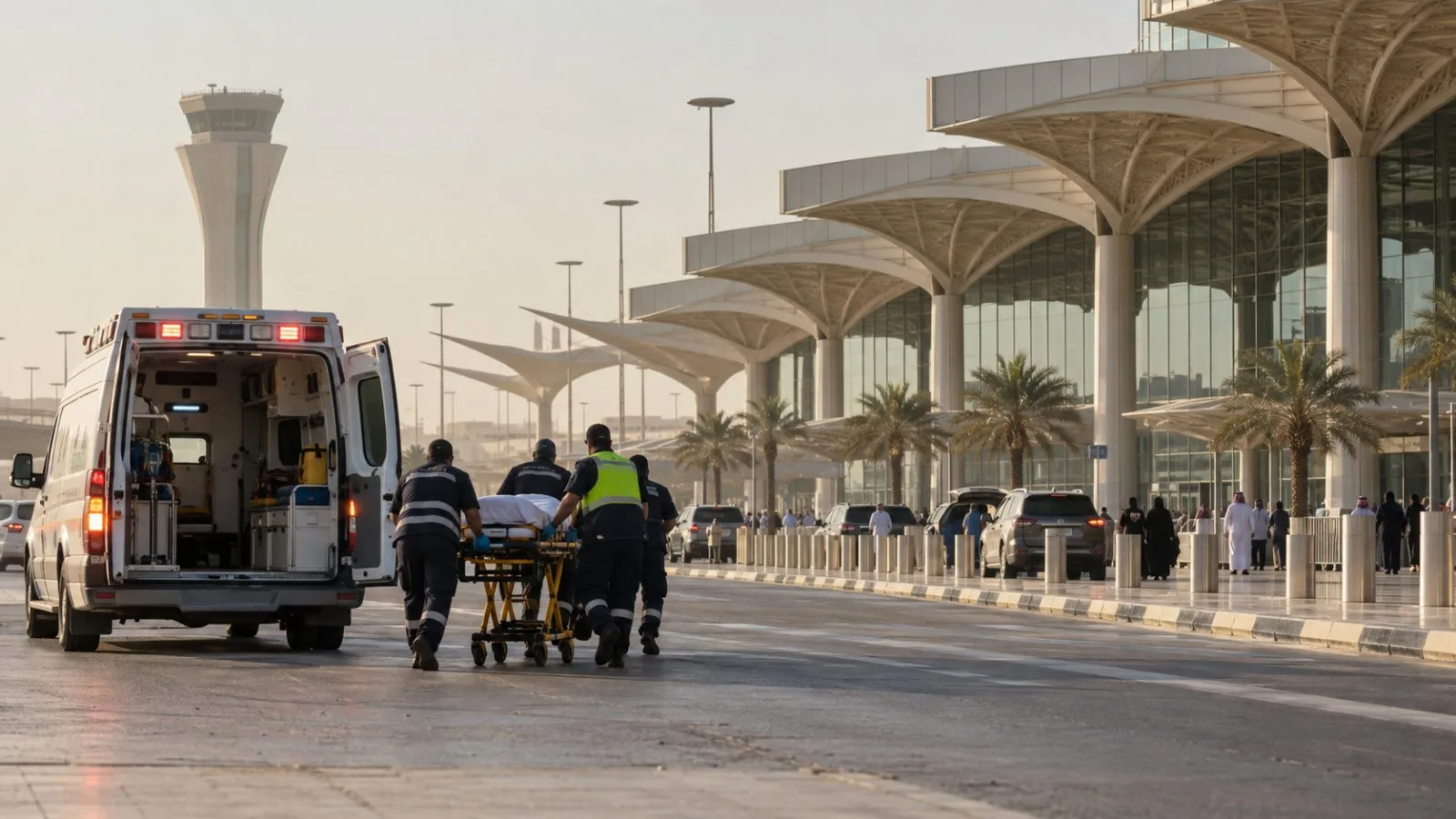
Saudi Arabia’s General Authority of Civil Aviation (GACA) initially counted 12 deaths and 309 injuries in the Oct. 10 attack on King Khalid International Airport. India’s Embassy in Riyadh later reported that an injured Indian citizen had died, bringing the reported death toll to 13.
Axios reported that Saudi Crown Prince Mohammed bin Salman requested U.S. strikes during the second of two calls with Trump on Sept. 10. Trump declined, according to Axios and ABC News. ABC News reported that two U.S. officials described intelligence and targeting assistance already being provided to Saudi Arabia, but said direct American attacks were not planned at that point.
Asked on Oct. 10 whether U.S. forces would join Saudi strikes, Trump said, “We may. We’re going to look at it.” He did not announce a decision.
Trump’s remarks followed a series of U.S.-Saudi economic and defense announcements. In May 2025, the White House announced a $600 billion Saudi investment commitment and an agreement covering nearly $142 billion in proposed defense sales. It described the sales as transactions the two countries aimed to complete.
On Nov. 18, 2025, the White House said the investment commitment had risen to almost $1 trillion and announced that the two leaders had signed a U.S.-Saudi Strategic Defense Agreement. It also approved a defense package that included future F-35 deliveries.
Disruption to Saudi export routes raises shipping and oil costs for Saudi Arabia and buyers of its oil. The U.S. Energy Information Administration (EIA) estimated that an average of 8.1 million barrels of oil per day moved through the Bab el-Mandeb Strait in the second quarter of 2026. The EIA said attacks on regional oil facilities and tankers contributed to Brent crude averaging $114 a barrel in September, $23 above August. Those price figures predate the airport attack.
In a Guardian opinion column, Mohamad Bazzi argued that Saudi arms purchases and investment pledges had not secured the U.S. protection its leaders expected. U.N. special envoy for Yemen Hans Grundberg told the Security Council on Oct. 9 that Yemen had returned to full-scale war. He described attacks on Saudi civilian and energy facilities and urged renewed political engagement.