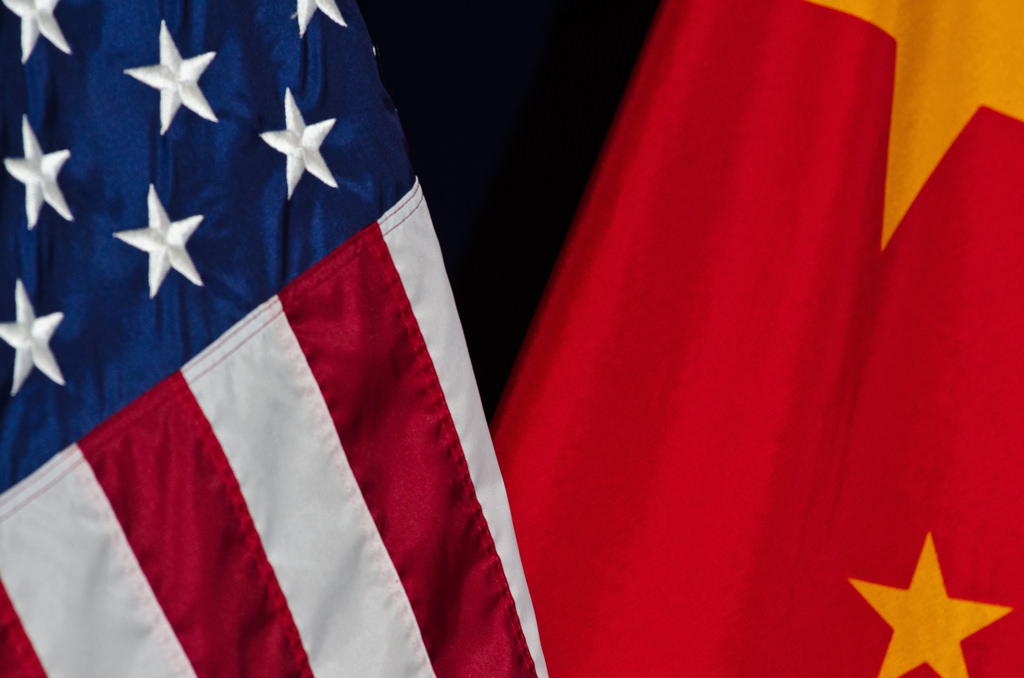
U.S. President Donald Trump said on Tuesday that he believes China could eventually open its markets wider to American goods, once again emphasizing what he described as a strong personal relationship with Chinese President Xi Jinping. Speaking to reporters, Trump expressed optimism about future trade relations between Washington and Beijing, saying, “I think it’s going to happen,” when asked whether China would allow greater access for U.S. products. He did not provide further details or a timeline for such a move.
The comments come at a time when U.S.-China relations remain strained due to a long list of unresolved issues. These include ongoing disputes over trade tariffs, intellectual property rights, human rights concerns, cybersecurity, and geopolitical flashpoints such as Taiwan, Hong Kong, and China’s stance on Russia’s war in Ukraine. The origins of the COVID-19 pandemic also continue to cast a shadow over bilateral ties, keeping diplomatic relations tense.
Adding to the uncertainty, Trump earlier threatened to impose a 25% tariff on countries that continue to trade with Iran. This proposal could reopen old diplomatic rifts, particularly with China, which is Iran’s largest trading partner. The warning was issued amid heightened global concern over Iran, which is currently experiencing some of its largest anti-government demonstrations in years.
China swiftly condemned Trump’s tariff threat, while Trump himself offered no concrete explanation on how such measures would be implemented or enforced. The situation is further complicated by Iran’s recent history of conflict, including a 12-day war with U.S. ally Israel last year and U.S. airstrikes on Iranian nuclear sites in June.
As Trump weighs potential responses to developments in Iran and signals renewed confidence in future trade cooperation with China, global markets and policymakers are closely watching for clearer direction. His remarks suggest a mix of optimism and confrontation that could significantly influence international trade, economic stability, and geopolitical relations in the months ahead.